Stay Updated with EVEC Microgreens

Still hungry for more?
We teach how to grow microgreens in the city, harvest them at home and turn them into healthy, delicious meals.
Want to join a workshop or be part of the project as a volunteer?

Ready to discover all the microgreens you can grow?

0
Types of seeds
0
Sustainable and healthy recipes

Come and Meet Our Seeds

Amaranth
Easy to grow, packed with Vitamins K, E & C, plus calcium and iron
Basil
Intense aroma and flavor, rich in protein, vitamins and minerals
Broccoli
Low-calorie microgreen rich in sulforaphane, a powerful compound linked to cancer prevention
Lettuce
Ideal for beginners! Easy to grow, fast and full of nutrients
Mustard
Vibrant red and green leaves with a bold kick, rich in antioxidants and essential vitamins
Sunflower
Loaded with vitamin E, iron, magnesium and protein. Perfect for a nutritious, low-calorie boost
Greenpea
Fast-growing pea shoots with great texture, flavor and healthy benefits
Wheat
Quick-growing microgreens with a mild sweet flavor ideal for juicing. Packed with essential vitamins and minerals
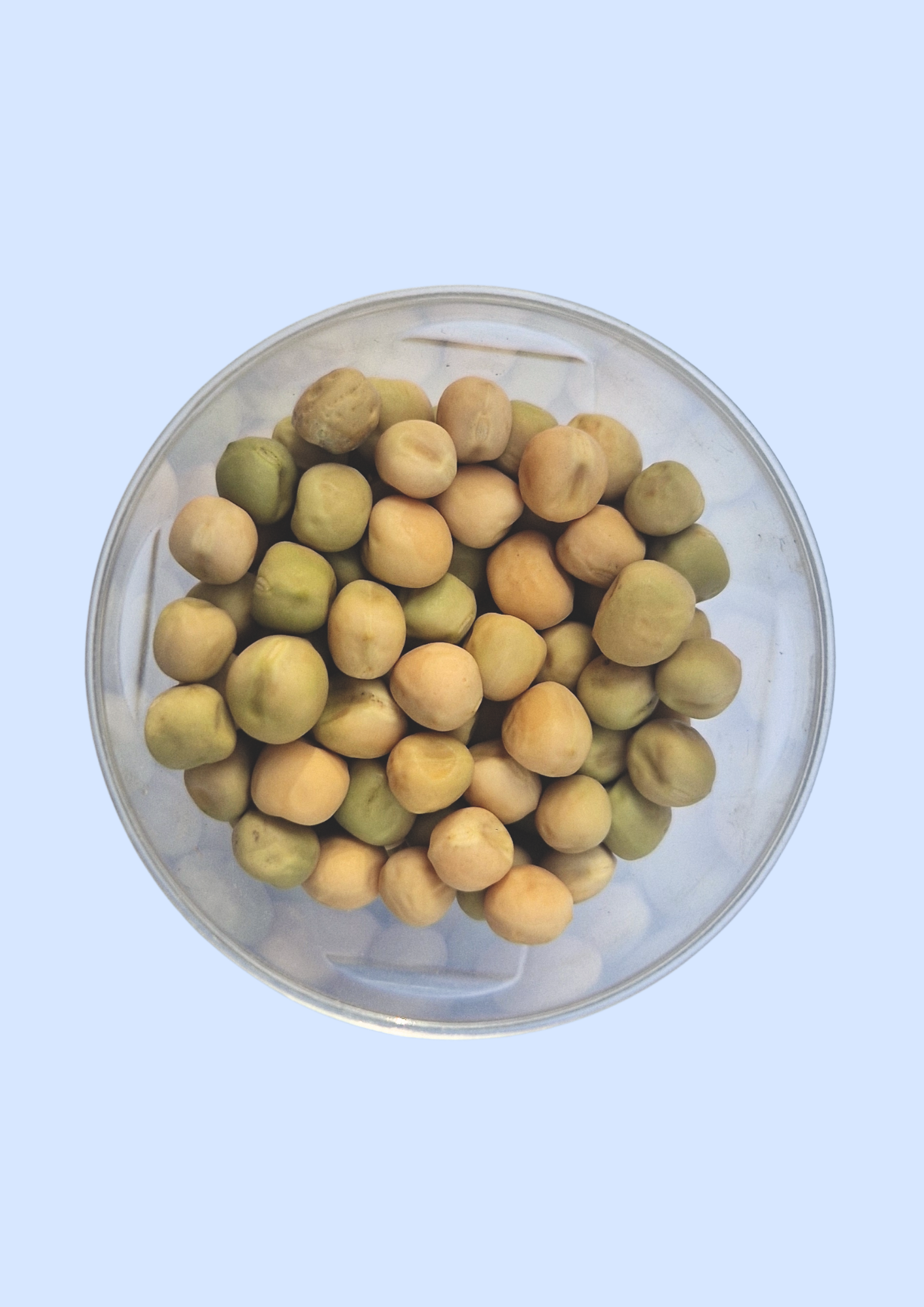
Pea, white
Enjoy a mild sweet-nutty flavor, tender green shoots, and a nutrient-rich boost including vitamins A, C and B12
Radish
Easy, fast microgreens deliver a spicy kick and are packed with vitamins A, B, C, E, K plus minerals like calcium, magnesium, iron, potassium and zinc

Where Do I Start? Your First 4 Microgreens for a Healthier, More Sustainable Kitchen

Amaranth
Unique color and mild nutty taste
What you need:
• Red Amaranth seeds – You can easily find them in specialty stores or online.
• Growing trays – Flat and shallow, with and without drainage holes.
• Growing medium – Potting soil or coconut coir.
• Spray bottle or watering can
• Natural light or LED grow light – Red amaranth needs plenty of light, either direct sunlight or LED grow lights if you’re growing indoors.

1. Prepare the tray – Always clean it thoroughly with water and soap.

2. Add the growing medium – Slightly moisten the soil before sowing.

3. Sow the seeds – Spread the seeds evenly. Unlike other varieties, red amaranth germinates best without being covered with soil.

4. Water gently – Use a spray bottle to avoid disturbing the seeds.

5. Cover the tray – For the first few days, you can cover it with another tray to create a blackout effect.

6. Light – Once the seeds have germinated, place the tray in a well lit spot.

7. Consistent watering – Keep the soil moist but not waterlogged.

8. Harvest – Ready in 2 to 3 weeks. Use scissors to cut just above the soil.

And that’s it, ready to enjoy!
As we mentioned, red amaranth is not only tasty, it also adds a stunning pop of color to your dishes. Perfect for salads, sandwiches, or as a gourmet garnish.
Lettuce
Fastest and easiest: crisp leaves in only a few days
What you need:
• Lettuce seeds – You can easily find them in specialty stores or online.
• Growing trays – Flat and shallow, with and without drainage holes.
• Growing medium – Potting soil or coconut coir.
• Spray bottle or watering can
• Natural light or LED grow light – If you’re growing indoors like we do, LED lights are a great option.

1. Prepare the container: Use a tray with good drainage. Wash it thoroughly with soap and water before you start.

2. Add the substrate: Fill the tray with soil and moisten it.

3. Sow the seeds: Spread the seeds evenly over the soil. It’s not necessary to cover them with soil, just press them gently to ensure good contact with the substrate.

4. Water gently: Use a spray bottle to keep the surface moist without displacing the seeds.

5. Light and location: Place the tray in a well-lit area or under grow lights if indoors.

6. Maintain moisture: Water regularly, but avoid overwatering.

7. Harvest: Usually between 1 and 3 weeks later. Use clean scissors and cut just above the soil line.

And that’s it!
Now you have your first batch of lettuce microgreens. Easy, tasty, and full of nutrients. In our next post, we’ll talk about the broccoli microgreens we’re growing in the office.
Broccoli
A superfood made simple: sulforaphane in just one week
What you need:
• Broccoli seeds – Preferably organic and labeled for sprouting or microgreens.
• Growing trays – Flat and shallow, with and without drainage holes.
• Growing medium – Potting soil or coconut coir.
• Spray bottle or watering can
• Natural light or LED grow light – Broccoli microgreens need good lighting to develop their rich green color.

1. Prepare the tray: wash it well with soap before using. Add an even layer of growing medium and lightly moisten it with a watering can.

2. Sow the sedes: spread the broccoli seeds evenly over the surface of the medium. There’s no need to cover them with soil; just press them gently so they make good contact with the surface.

3. First watering: mist the seeds carefully to moisten them without moving them.

4. Darkness period: cover the tray with another inverted tray or an opaque lid for 2 or 3 days. This helps germination and makes the stems stronger.

5. Light and ventilation: when you start to see the first sprouts (around day 2 or 3), uncover the tray and place it in a spot with good natural light or under LED grow lights.

6. Daily watering: mist once or twice a day to keep the growing medium moist, but avoid excess water, which can cause mold. We have an article explaining how to prevent this common issue.

7. Growth and color: in just a few days, you’ll see the stems straighten and the leaves turn a deep green.

8. Harvest: between days 7 and 10, your broccoli microgreens will be ready. Cut them just above the growing medium with clean scissors.

That’s it! Broccoli microgreens deliver a much higher concentration of essential nutrients and antioxidants than mature broccoli. Plus, they’re packed with sulforaphane, an anti-cancer compound that can be up to 200 times more concentrated in microgreens than in broccoli itself.
Radish
Fast, spicy and full of color
What you need:
• Radish seeds – You can easily find them in specialty stores or online. Common varieties are red radish, daikon, or watermelon radish.
• Growing trays – Flat and shallow, with and without drainage holes.
• Growing medium – Potting soil or coconut coir.
• Spray bottle or watering can
• Natural light or LED grow light – They grow stronger and more colorful with good lighting.

1. Prepare the tray
Clean it thoroughly before using, with water and soap if necessary.

2. Add the growing medium
Fill with an even layer of soil or coconut coir and moisten it.

3. Sow the seeds
Spread the radish seeds evenly over the surface. They don’t need to be covered with soil.

4. Initial watering
Use a spray bottle to gently moisten without displacing the seeds.

5. Darkness period
Cover the tray with another tray turned upside down or a piece of opaque cardboard for 2–3 days.

6. Light and ventilation
When you see the first sprouts (usually on the second day), uncover and place the tray in a spot with good natural light or under LED grow lights.

7. Keep it moist
Mist once or twice a day so the substrate never dries out completely.

8. Harvest
In just 7–10 days, your radish microgreens will be ready. Cut them with clean scissors just above the soil and they’re ready to enjoy.

And that’s it!
Radish microgreens are not only visually appealing with their red stems and green leaves, but they’re also a nutritional powerhouse: they contain vitamins A, B, C, E, and K, plus calcium, iron, magnesium, and antioxidants. Perfect to add a fresh, spicy, and healthy touch to any dish.