Get in touch
Questions about growing, workshops, the cooperative or partnerships? Send us a message and we will reply by email.
Prefer email? Write to erasmus@evec.org.gr

EVEC Microgreens
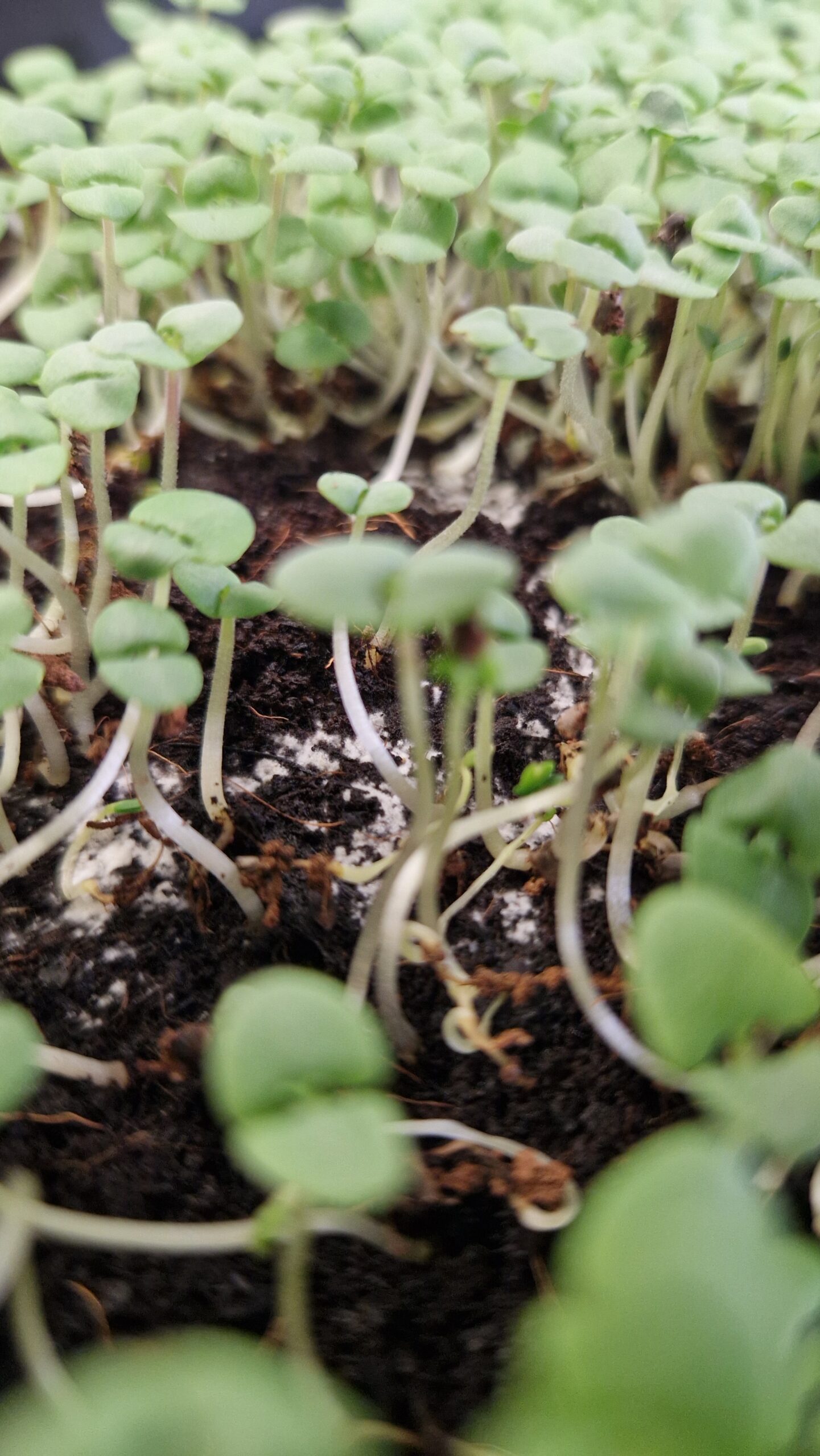
How to prevent mould when growing microgreens — and how to tell harmless root hairs from real mould. Airflow, watering and hygiene tips that actually work.
Mould is one of the most common problems in a microgreens tray, and the measures that work against it are preventive rather than curative: clean inputs, controlled moisture, and moving air.
In our own growing space we run several varieties, and mould has been the most persistent difficulty of the lot. It does not only ruin the harvest — it can pose a health risk if the tray is eaten without noticing. What follows is the set of practices that fixed it for us, which are the standard expert recommendations adapted to daily use.
The first line of defense against mold is hygiene. Use certified microgreen seeds and a clean substrate, free from contaminants. Avoid reusing soil or trays that may contain spores from previous crops.
Microgreens need moisture to germinate, but too much water creates the perfect environment for fungi.
Stagnant air is mold’s best friend. Place your trays in a well-ventilated area or use a small fan to improve airflow. This helps the surface dry evenly and reduces the risk of fungal growth.
In addition to supporting growth, light (natural or artificial) also keeps the substrate drier. After the germination phase, expose your microgreens to direct light or grow lamps to strengthen them and make mold less likely to appear.
Clean trays, tools, and surfaces with soap and water before each sowing. A clean environment reduces the chance of introducing spores into your crop.
Check your microgreens every day. If you spot any moldy areas, remove the affected part immediately and improve ventilation and moisture control to prevent it from spreading.
Growing microgreens does not have to become a battle against mould. With proper hygiene, moisture control and good airflow it is possible to enjoy fresh, nutritious, contaminant-free crops. The key is prevention rather than rescue — by the time mould is visible, that tray is usually already lost.
Thank you, friends, see you next time.
Carlota
Mould beaten? Keep your trays healthy with the rest of the free portal:
This article is part of the free knowledge portal of EVEC Microgreens. Wherever you are on your microgreens journey, there is a path for you:
Co-funded by the European Union.
This portal presents the microgreens methodology; the organisation behind it is EVEC Athens — the European Voluntary and Educational Center (evec.org.gr). Views and opinions expressed are those of the author(s) only and do not necessarily reflect those of the European Union or the European Commission. Neither the European Union nor the granting authority can be held responsible for them.
Open licence. Except where stated otherwise, the educational materials on this portal are licensed under CC BY 4.0 — free to use, adapt and share, including commercially, with credit. See the licence terms.
Accessibility. We aim for WCAG 2.1 AA and publish what does and does not yet meet it — see the accessibility statement. If anything here blocks you, tell us and we will send the material in a format that works for you.

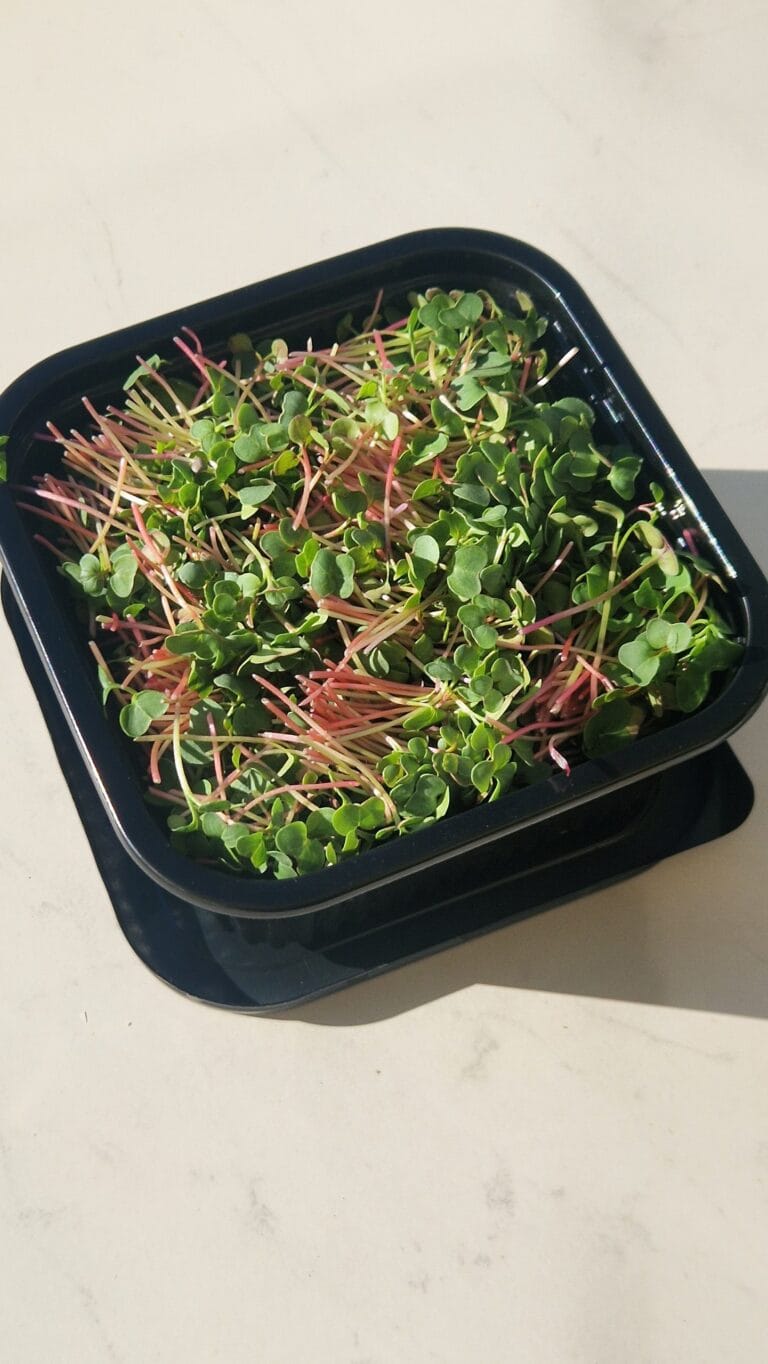
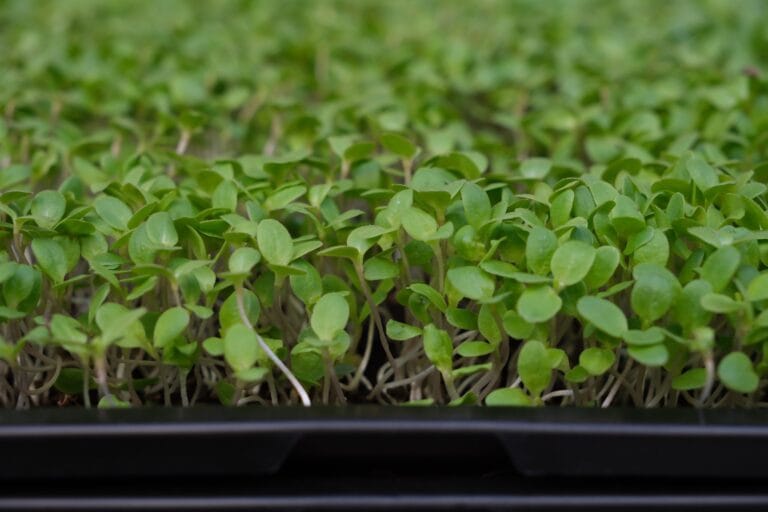
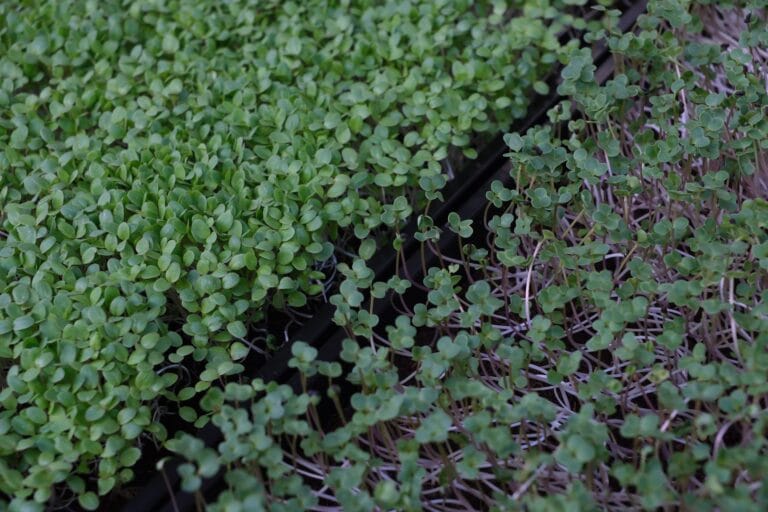
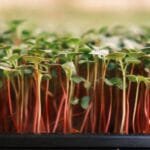
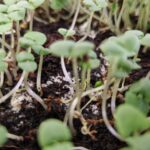
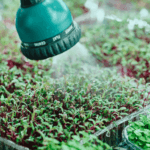

[…] addition, fungi and molds are frequent problems in production, as we’ve discussed in previous articles. According to Epic Gardening, high seeding density and poor ventilation encourage mold growth, […]
[…] Daily watering: mist once or twice a day to keep the growing medium moist, but avoid excess water, which can cause mold. We have an article explaining how to prevent this common issue. […]
[…] How to prevent mold when growing microgreens […]
[…] forms grey or cobweb-like strands, usually smells musty, and does not brush off. If in doubt, our mould prevention guide shows the difference […]
[…] airflow or seed piled too thickly. Water from below, give the tray some air, and see our guide to preventing mould if fuzzy growth […]