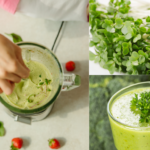
Microgreens have become a common ingredient in modern cuisine thanks to their intense flavor, nutritional value, and culinary versatility. Although they are often used as a garnish or in salads, more and more cooks are exploring their use as a base for sauces and condiments.
Preparing sauces with microgreens allows their flavor to be concentrated while taking advantage of their nutritional properties in new gastronomic applications, from pestos to vinaigrettes and emulsions.
Using microgreens to make sauces offers several culinary advantages.
Let’s take a look!
Flavor concentration
Microgreens have a stronger flavor than many mature leaves. When processed into a sauce, this aromatic character becomes even more pronounced and can add depth to a dish.
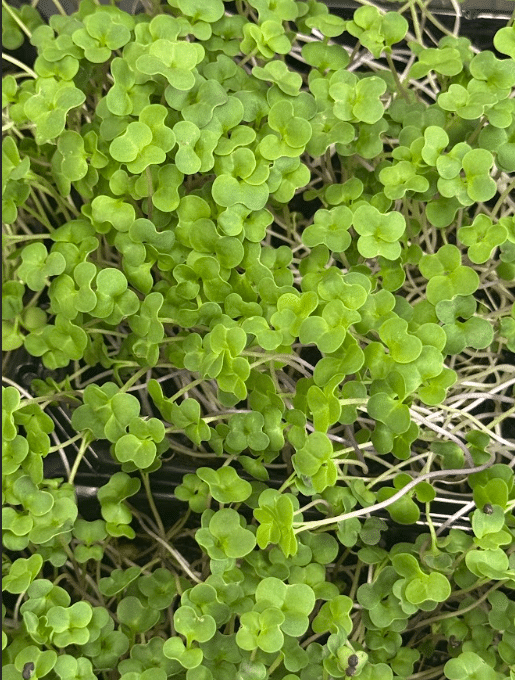
For example radish microgreens provide a spicy kick; mustard microgreens contribute warm, spicy notes; basil microgreens add an intense herbal aroma and cilantro microgreens bring a fresh, citrusy flavor.
This allows the creation of sauces with very distinctive aromatic profiles.
Light texture
When blended, microgreens create sauces with a soft and fresh texture, especially when combined with ingredients such as oil, nuts, or yogurt.
Better use of the product
Another important advantage is that sauces allow the use of microgreens that may not have the perfect appearance for fresh sale, helping reduce food waste.
Types of sauces that can be made with microgreens
The culinary possibilities are very broad. Some examples include:
Microgreen pestos
One of the simplest applications is to partially replace the traditional leaves used in pesto with microgreens.
Typical ingredients include:
- microgreens (arugula, basil, or sunflower)
- olive oil
- nuts or seeds
- garlic
- aged cheese
The result is a lighter pesto with a very fresh vegetal flavor.
Green vinaigrettes
Microgreens can also be incorporated into blended vinaigrettes or emulsions.
These sauces work particularly well with:
- cilantro microgreens
- mustard microgreens
- radish microgreens
They can be used for salads, roasted vegetables, or fish.
Herbal sauces and emulsions
Another option is to prepare creamy sauces by combining microgreens with ingredients such as:
- yogurt
- plant based cream
- tahini
- avocado
These preparations create smooth yet aromatic condiments that work well in bowls, wraps, or vegetable dishes.
Microgreens and culinary creativity
Using microgreens in sauces also opens up a wide space for gastronomic experimentation.
Many chefs use them to reinterpret classic recipes or develop new condiments. Some ideas include:
- chimichurri made with cilantro microgreens
- green sauce with parsley microgreens
- mayonnaise flavored with spicy microgreens
- vegetable dips made with pea or sunflower microgreens
Thanks to their variety of flavors and colors, microgreens allow chefs to create sauces that add not only aroma but also visual intensity and freshness to a dish.
Nutritional value in sauces
Although blending microgreens may slightly affect some nutrients that are sensitive to oxygen or light, sauces still remain an effective way to consume their beneficial compounds.
Microgreens contain vitamins A, C, E, and K, as well as antioxidants, phenolic compounds, and carotenoids. These compounds are associated with antioxidant effects and protection against oxidative stress in the body.
For this reason, incorporating microgreens into sauces can be a simple way to add nutritional density to everyday dishes.
An opportunity for producers as well
The use of microgreens in sauces is not only interesting from a culinary perspective but also from a commercial one.
For producers, transforming microgreens into processed products, such as pestos or refrigerated condiments, can be a way to expand their product offerings, increase the added value of the crop, and extend the shelf life of the sprouts.
For cooks, microgreen based sauces offer a versatile ingredient that brings flavor, color, and nutritional value.
As interest in fresh and functional foods continues to grow, these preparations are likely to become an increasingly common application within the world of microgreens.
Carlota
Sources
American Chemical Society. (2023). Comprehensive analysis of physicochemical, functional, thermal, and morphological properties of microgreens from different botanical sources. ACS Omega. https://doi.org/10.1021/acsomega.3c03429
Banner Health. Microgreens: Should they be a part of your diet? https://www.bannerhealth.com/healthcareblog/teach-me/microgreens-should-they-be-a-part-of-your-diet
Healthline. Microgreens: Health benefits, nutrition and how to grow them. https://www.healthline.com/nutrition/microgreens
Vučetić, A., Šovljanski, O., Pezo, L., Gligorijević, N., Kostić, S., Vulić, J., & Čanadanović-Brunet, J. (2025). A comprehensive antioxidant and nutritional profiling of Brassicaceae microgreens. Antioxidants, 14 (2), 191. https://www.mdpi.com/2076-3921/14/2/191
WebMD. What to know about microgreens. https://www.webmd.com/diet/what-to-know-about-microgreens