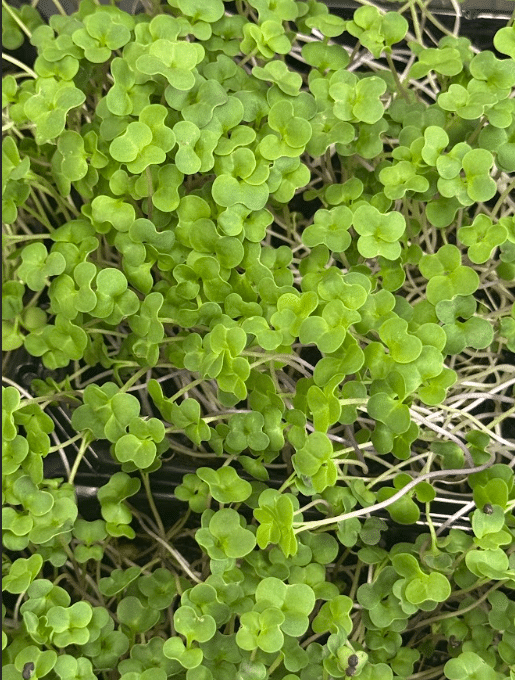
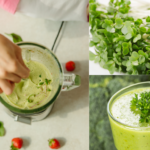
Although microgreens are often highlighted for their vitamin and antioxidant content, some varieties can also be an interesting source of plant based protein.
Among the most notable are the young sprouts of pea, lentil, chickpea, and sunflower, varieties that mainly belong to the legume family or come from seeds naturally rich in protein. These microgreens can add extra nutritional value to salads, plant based dishes, and healthy preparations.
Let’s take a closer look!
Why protein matters in microgreens
Proteins are essential macronutrients for the human body, as they play a key role in the formation of tissues, enzymes, and hormones. While vegetables generally contain moderate amounts of protein, certain seeds and legumes have significantly higher levels.
When these seeds germinate and develop into microgreens, they retain part of this protein content along with vitamins, minerals, and antioxidant compounds. In addition, the germination process can improve the digestibility of some nutrients, making microgreens an interesting way to consume plant based protein.
Pea microgreens
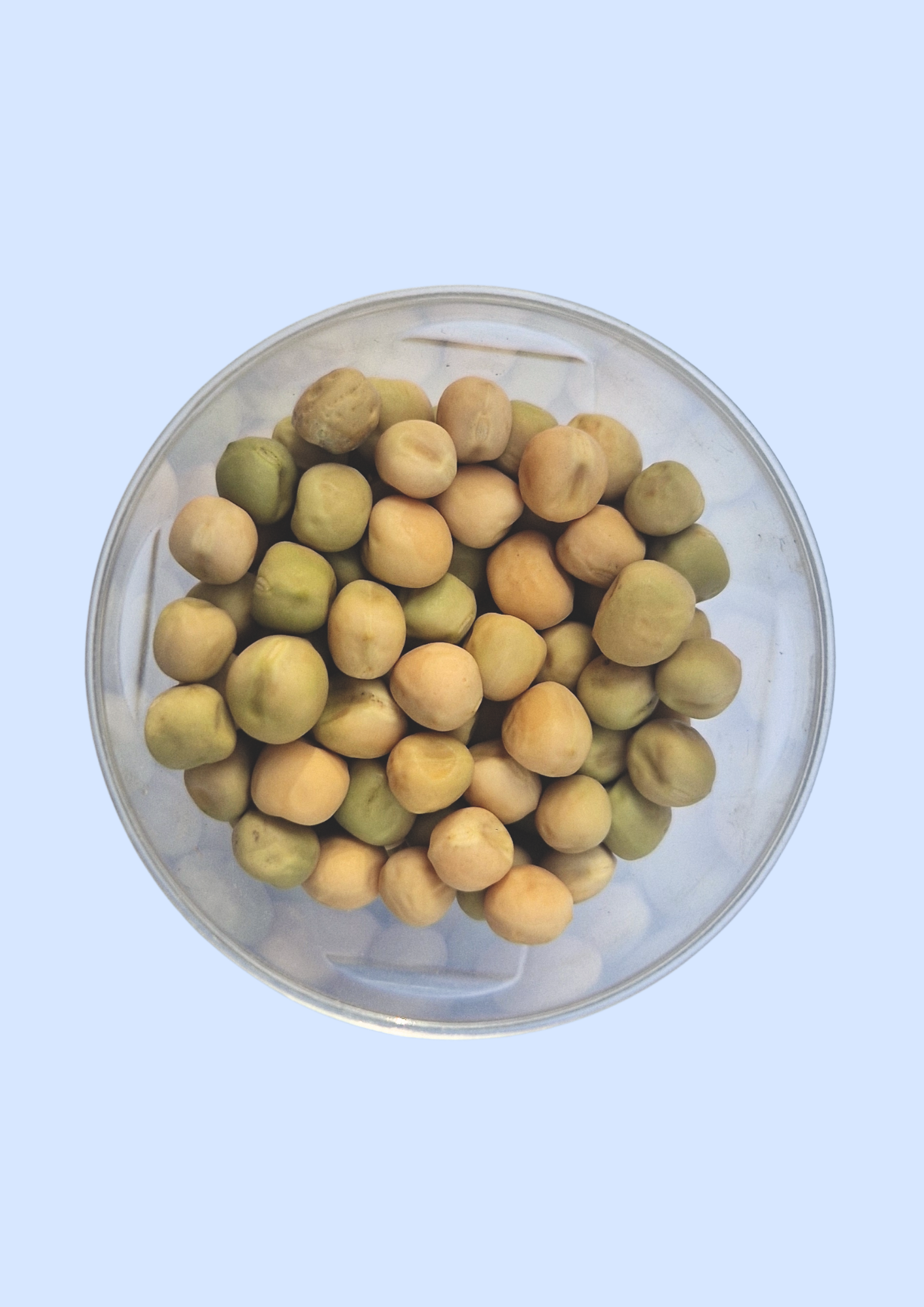
Pea shoots are among the most popular microgreens for both home growers and commercial producers.
They come from the species Pisum sativum, a legume widely cultivated around the world. Their sprouts have tender stems and delicate leaves with a mild flavor reminiscent of fresh peas.
Pea microgreens are valued for a good content of plant based protein, the presence of fiber and vitamins and a sweet and pleasant flavor.
Thanks to their crunchy texture, they are often used in salads, grain bowls, stir fries, or as garnishes for fish and meat dishes.
Lentil microgreens
The lentil, belonging to the species Lens culinaris, is well known for its high protein content among legumes.
When grown as a microgreen, lentils produce small and tender sprouts with a mild, slightly vegetal flavor. These sprouts retain part of the legume’s characteristic nutritional profile, including protein, iron, and minerals.
Lentil microgreens can be incorporated into fresh salads, wraps, sándwiches and mixed sprout blends.
Their cultivation is also typically fast and simple, making them an attractive option for microgreen producers.
Chickpea microgreens
Chickpeas are another legume highly valued for their protein content and their role in the traditional diets of many cultures. They belong to the species Cicer arietinum.
Their microgreens produce sturdy stems and small leaves with a mild flavor that slightly resembles fresh chickpeas.
Among their main characteristics are plant based protein content, fiber and mineral content and firm textura.
Although they are less common in the market than other microgreens, chickpea sprouts represent an interesting option for diversifying crop offerings.
Sunflower microgreens
Sunflower microgreens come from the plant Helianthus annuus, well known for its nutritious seeds.
These sprouts are especially appreciated for their high nutritional value and crunchy texture. They have a mild flavor with subtle nutty notes.
Their key characteristics include a good protein content, the presence of healthy fats, vitamins and minerals.
Sunflower microgreens are widely used in salads, sandwiches, vegan dishes, and vegetable or grain bowls.
Advantages of protein rich microgreens
Incorporating microgreens from legumes or protein-rich seeds into the diet can provide several benefits, such as increasing the nutritional density of dishes, providing additional plant based protein, adding variety in flavors and textures and being easy to include in vegetarian or vegan diets.
Their cultivation is also usually fast and productive, making them attractive for producers.
A growing trend
Interest in plant-based proteins is increasing worldwide, driven by changes in eating habits and the search for more sustainable diets. In this context, protein rich microgreens offer a fresh and nutritious alternative that can complement other plant protein sources.
As research on microgreens continues to advance and consumers discover new varieties, it is likely that pea, lentil, chickpea, and sunflower microgreens will gain greater prominence both in home cooking and in professional gastronomy.
Carlota
Sources
Ajmera, R. (2020). Microgreens: Health benefits, nutrition and how to grow them. Healthline. https://www.healthline.com/nutrition/microgreens
Brar, D. S., Sanyukta, Pant, K., Kaur, S., Nanda, V., & Nayik, G. A. (2023). Comprehensive analysis of physicochemical, functional, thermal, and morphological properties of microgreens from different botanical sources. ACS Omega. https://doi.org/10.1021/acsomega.3c03429
Vučetić, A., Šovljanski, O., Pezo, L., Gligorijević, N., Kostić, S., Vulić, J., & Čanadanović-Brunet, J. (2025). A comprehensive antioxidant and nutritional profiling of Brassicaceae microgreens. Antioxidants, 14(2), 191. https://doi.org/10.3390/antiox14020191
WebMD. What to know about microgreens. https://www.webmd.com/diet/what-to-know-about-microgreens
Elsevier. Microgreens. ScienceDirect. https://www.sciencedirect.com/topics/agricultural-and-biological-sciences/microgreens