Get in touch
Questions about growing, workshops, the cooperative or partnerships? Send us a message and we will reply by email.
Prefer email? Write to erasmus@evec.org.gr
EVEC Microgreens
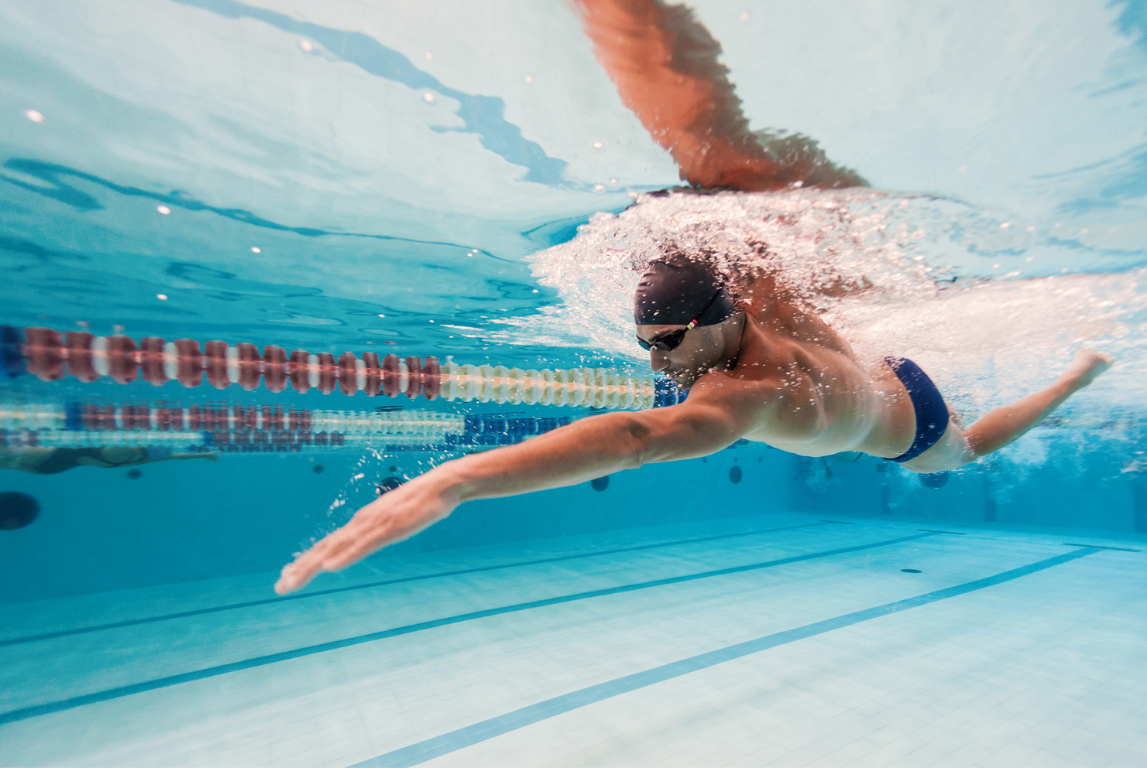
What microgreens actually contribute to an athlete's diet, and why the sports-performance case rests on nutrient composition rather than on any trial in athletes.
No trial has yet studied microgreens and sports performance in people, so nobody can honestly tell you whether eating them changes how you train or recover. What has been measured is what is in them: a 2025 analysis of six species in Scientific Reports recorded ascorbic acid (vitamin C) ranging from 32.72 mg per 100 g fresh weight in red beet microgreens to 80.45 mg in bean microgreens, and iron from 524 to 2,610 micrograms per 100 g. That composition is the whole basis of the case for microgreens in sport, and it is not the same thing as evidence that they improve performance.
Read this first. No trial has tested microgreens against an athletic outcome in people — not performance, not recovery, not immunity. Everything below is an argument from composition: microgreens contain nutrients that are known to matter in sport, so it is reasonable to eat them. That is not the same as evidence that they improve how you train. Where we say “supports” or “is involved in”, we mean the established role of the nutrient in the body, not a demonstrated effect of eating microgreens. This is general nutrition education, not medical or sports-nutrition advice.
Microgreens such as broccoli, radish, pea and sunflower contain B vitamins, iron and chlorophyll. B vitamins and iron have well-established roles in energy metabolism and oxygen transport, which is why they come up in any discussion of endurance and strength training. Microgreens are one of many foods that supply them, and they are eaten in small quantities, so they are a contributor rather than a primary source.
Intense exercise increases the production of reactive oxygen species and causes small-scale muscle damage. Microgreens, especially those in the cruciferous family, contain glucosinolates, flavonoids and other antioxidant compounds.
The tempting next step is to say that eating them therefore reduces exercise-induced oxidative stress. We are not making that claim, for two reasons. No study has tested it with microgreens in athletes. And the wider literature on antioxidant supplementation in sport is genuinely mixed — some work suggests that blunting the oxidative signal after training may interfere with the adaptations the training is meant to produce. This is an open question, not a settled benefit.
Many varieties contain magnesium, potassium and calcium. Those minerals have recognised roles in muscle contraction and nerve signalling. We have removed a claim that microgreens prevent cramp and replenish electrolytes after training: cramp has no single settled cause, and the quantities of microgreens people actually eat are far too small to serve as an electrolyte replacement. A sports drink, a meal, or salt is what does that job.
Heavy training loads are associated with temporary changes in immune markers. Microgreens supply vitamin C, zinc and polyphenols, and vitamin C and zinc both have established roles in normal immune function. What we cannot say is that eating microgreens strengthens an athlete’s immune system or reduces illness — that has not been tested.
Plant-based diets are common among professional and amateur athletes, and vegetables that are dense in micronutrients are worth having in the rotation. The 2025 composition study measured both vitamin C and iron in the six species it examined. We previously used that pairing to recommend eating vitamin-C-rich microgreens alongside a plant-based iron source; we have withdrawn that recommendation, because whether the quantities of microgreens people actually eat change how much iron is absorbed has not been measured.
Beyond that, we have removed a list claiming microgreens improve “plant protein intake”, “mineral balance” and “vitamin supply critical for performance”. At the gram quantities involved, microgreens are a garnish, not a way to close a nutritional gap.
They are, however, easy to eat: they go into smoothies, salads, bowls and recovery drinks without any preparation.
Areas flagged in the literature as worth investigating include oxidative stress in athletes, cellular damage after high-intensity exercise, effects on gut microbiota, and biofortification to raise iron or specific vitamin content. These are research directions. None of them is a result you can rely on today.
The case for microgreens in sport rests on nutrient density and ease of use, and the research describes potential rather than settled results. Part 2 covers how to put them into an athlete’s daily diet, with varieties matched to what they are good sources of, and an honest answer on how much to eat.
And what do you think? Do you believe that in the coming years they could become a key food in sports nutrition?
Thanks, and see you next time!
Carlota
Balik, S., Elgudayem, F., Dasgan, H. Y., Kafkas, N. E., & Gruda, N. S. (2025). Nutritional quality profiles of six microgreens. Scientific Reports, 15(1), 6213. https://pubmed.ncbi.nlm.nih.gov/39979322/ — a composition study. It measures nutrient content in the plants and does not test any athletic outcome.
Correction note: this article previously asserted that microgreens reduce exercise-induced oxidative stress and inflammation, prevent cramp, replenish electrolytes, strengthen the immune system and improve iron absorption, plant protein intake and mineral balance. None of those claims was tested by any source cited here, and we have rewritten each one to say what can honestly be said instead.
Sources dropped in the same pass: Singh, Lall & Sagar (2025) in the International Journal of Advanced Biochemistry Research, because that journal returns no records in PubMed and its publisher advertises publication within roughly one week of submission — we do not treat it as peer-reviewed evidence; and three commercial and consumer blogs (Skye Mountain, Microgreens World, Enriched Being) that were carrying health and performance claims. Under our editorial standards, grower blogs are citable for growing technique but not for health, nutritional or therapeutic claims.
Links of interest:
This article is part of the free knowledge portal of EVEC Microgreens. Wherever you are on your microgreens journey, there is a path for you:
Co-funded by the European Union.
This portal presents the microgreens methodology; the organisation behind it is EVEC Athens — the European Voluntary and Educational Center (evec.org.gr). Views and opinions expressed are those of the author(s) only and do not necessarily reflect those of the European Union or the European Commission. Neither the European Union nor the granting authority can be held responsible for them.
Open licence. Except where stated otherwise, the educational materials on this portal are licensed under CC BY 4.0 — free to use, adapt and share, including commercially, with credit. See the licence terms.
Accessibility. We aim for WCAG 2.1 AA and publish what does and does not yet meet it — see the accessibility statement. If anything here blocks you, tell us and we will send the material in a format that works for you.

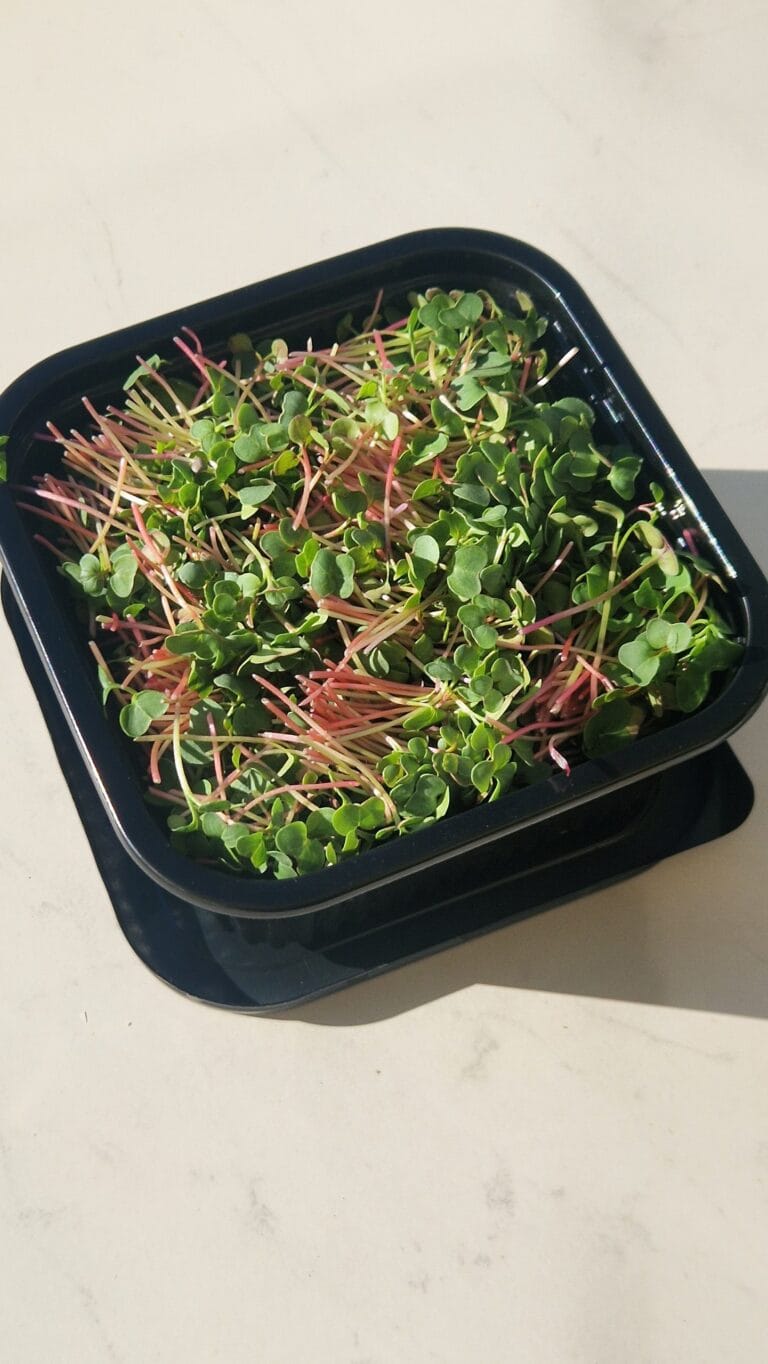
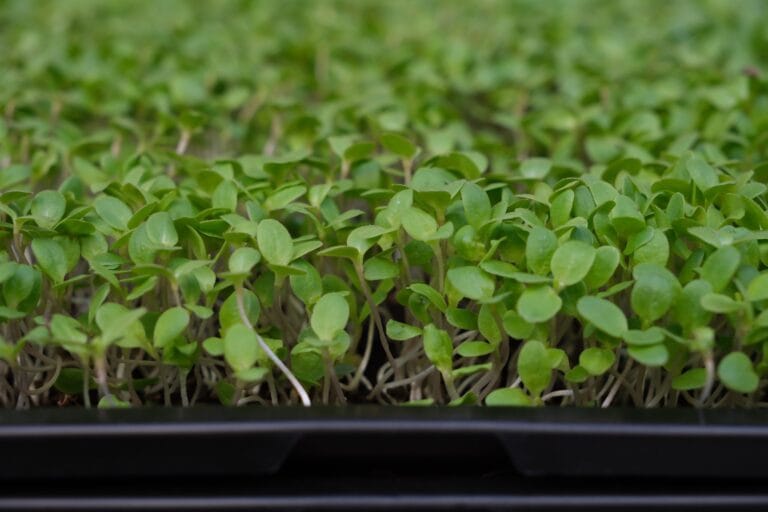





[…] friends, we’re back with the second part of the previous article, “Microgreens and Sports Performance.” In this follow up, we take a deeper look at how to use them in practice, which varieties are […]