Get in touch
Questions about growing, workshops, the cooperative or partnerships? Send us a message and we will reply by email.
Prefer email? Write to erasmus@evec.org.gr

EVEC Microgreens
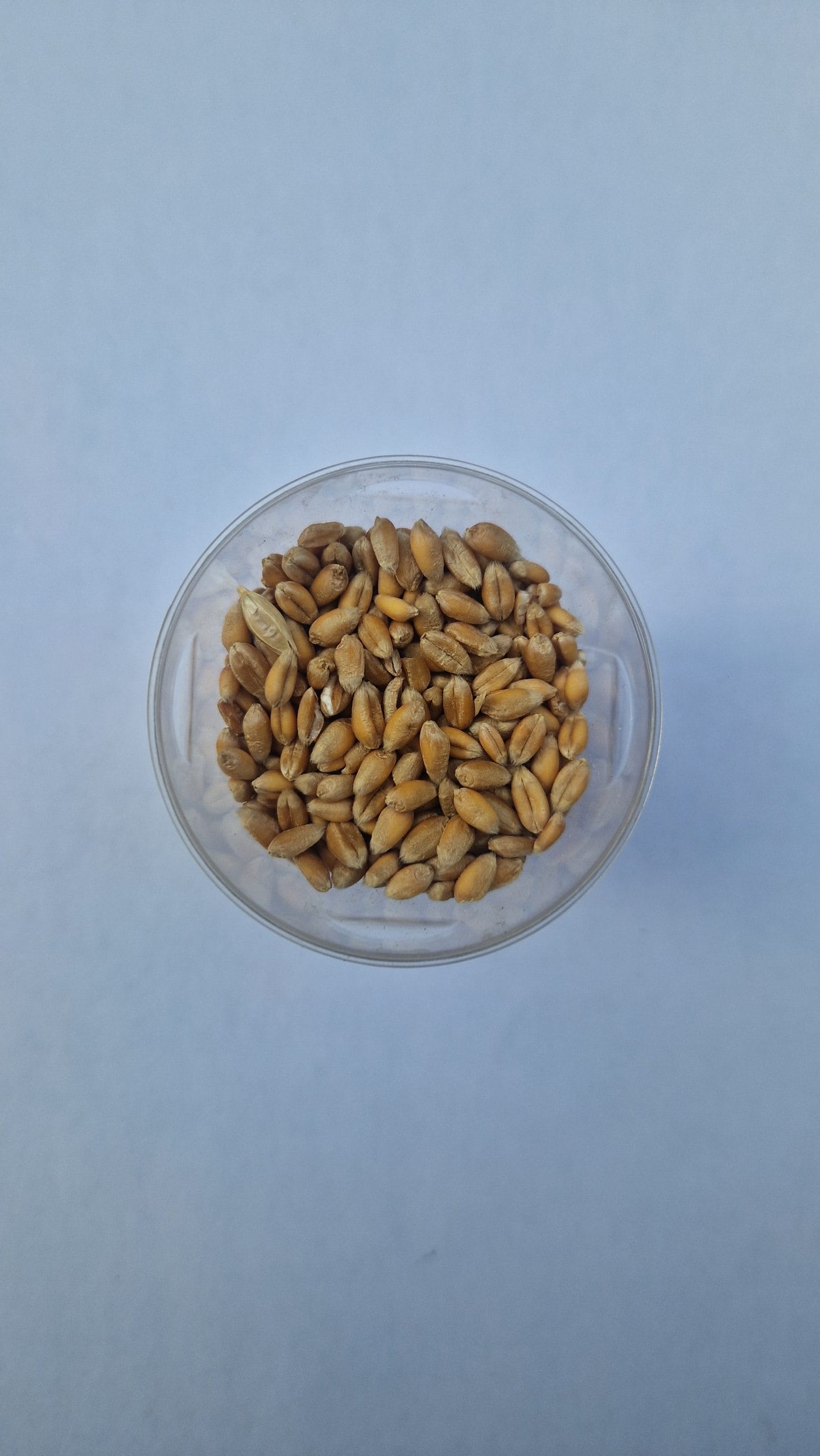
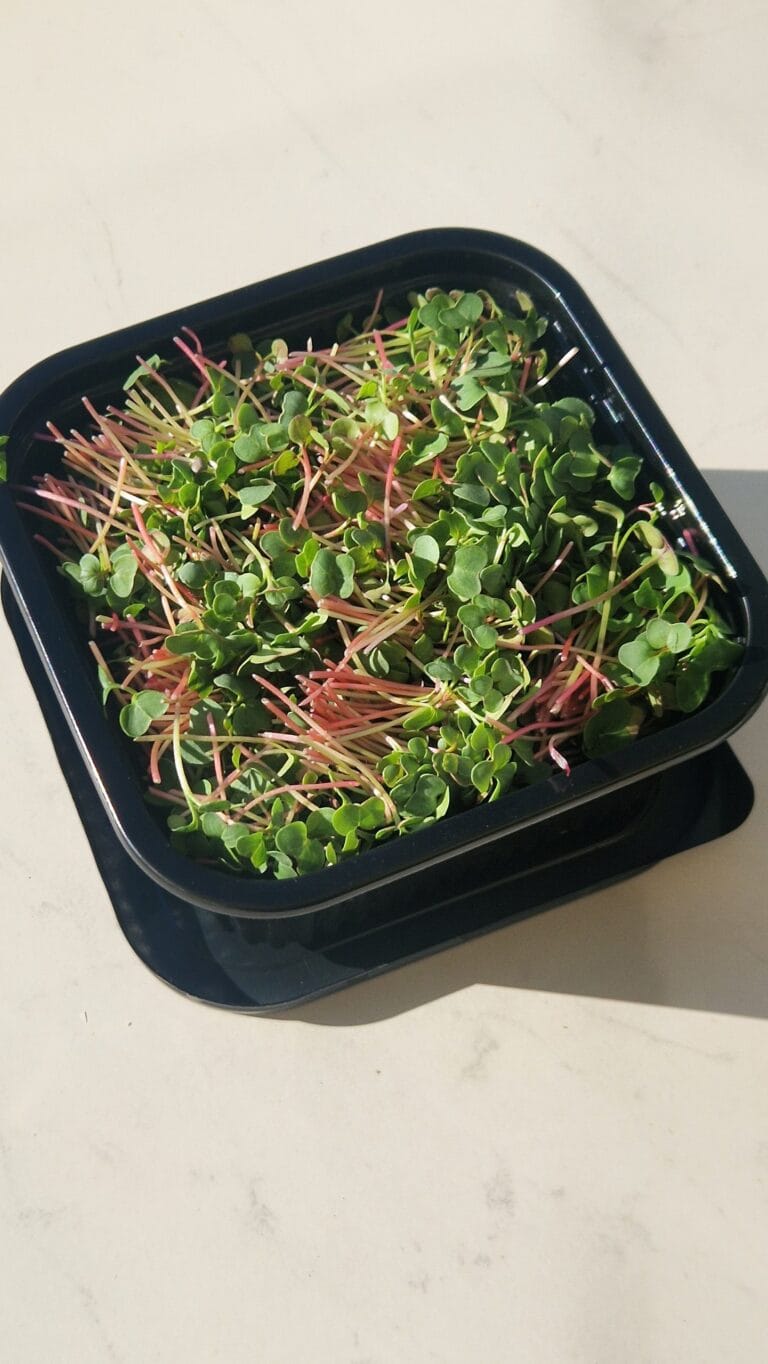
Barley microgreens: an easy-to-grow, lesser-known crop with high nutritional value and several ways to use it. How to grow them and why they are worth trying.
Within the world of microgreens, most commercial crops focus on species such as radish, mustard, arugula, or sunflower. However, there are other lesser known sprouts that offer interesting nutritional properties and emerging culinary applications. Among them are barley microgreens, an option that combines ease of cultivation, high nutritional value, and multiple ways of consumption.
Barley is one of the oldest cereals cultivated by humans and has been used for thousands of years as a staple food. In its young sprout stage the plant shows a remarkable concentration of nutrients and bioactive compounds.
Barley belongs to the species Hordeum vulgare, a cereal that has been cultivated for more than 10,000 years. It is one of the most important crops in the world and is mainly used for human consumption, malt production for beer, and animal feed.
However, in the early stages of growth, the plant produces young leaves that can be consumed as sprouts or microgreens. These leaves contain numerous nutrients and beneficial plant compounds.
Barley microgreens are young sprouts usually harvested between 7 and 14 days after germination, when the leaves have begun to develop but the plant is still very small. At this stage, the plant concentrates a large amount of bioactive compounds, which has attracted interest in fields such as nutrition.
Although they are often consumed in the form of barley grass to prepare juices or green smoothies, they can also be used fresh in various culinary preparations.
Young barley leaves are known for their rich nutritional profile. Studies on barley grass show that they contain a wide variety of essential nutrients.
Among the most notable components are:
Barley grass also contains enzymes and antioxidant compounds that have been associated with potential health benefits.
Several studies have examined the effects of compounds present in barley grass. Among the potential benefits investigated are antioxidant activity, support for the immune system, reduction of oxidative stress and possible effects on lipid metabolism.
Although more research is needed to confirm some of these effects, the presence of antioxidants, vitamins, and minerals makes barley microgreens a food of considerable nutritional interest.
One of the advantages of barley as a microgreen is its ease of cultivation. It is a fast-germinating cereal that can grow well in different production systems.
The basic process includes:
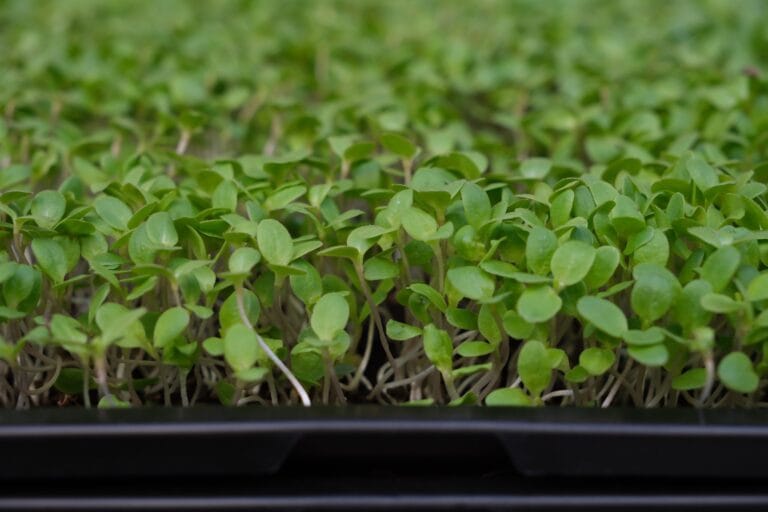
Unlike some small-leaf microgreens, barley sprouts produce long, thin grass-like leaves, which makes harvesting easier by simply cutting the shoots.
Although barley microgreens are not as common in the kitchen as other varieties, they have several interesting applications. The most common include:
One of the most popular ways to consume barley grass is in green juices, where it is combined with fruits and other vegetables.
Barley sprouts can be blended with ingredients such as apple, cucumber, spinach, and ginger to create nutritious drinks.
In some cases, barley grass is dehydrated and ground into powder, which can be added to beverages or foods as a nutritional supplement.
Although barley microgreens are not yet as popular on the market as other species, they offer several advantages for both producers and consumers, including:
As demand for healthy and sustainable products continues to rise, this type of sprout could become an interesting alternative within the microgreens market.
Carlota
Sources
Ajmera, R. (2020, July 24). Barley grass: Benefits, uses, and precautions. Healthline. https://www.healthline.com/nutrition/barley-grass
Zeng, Y., Pu, X., Du, J., Yang, X., Li, X., Mandal, M. S. N., Yang, T., & Yang, X. (2018). Preventive and therapeutic role of functional ingredients of barley grass for chronic diseases. Journal of Food and Drug Analysis. https://www.ncbi.nlm.nih.gov/pmc/articles/PMC5758355/
Żur, I., Kopeć, P., Surówka, E., & Dubas, E. (2021). Barley and triticale. Antioxidants, 10 (8), 1217. https://www.mdpi.com/2076-3921/10/8/1217
Studies from our Science Library that concern barley microgreens, in plain language with links to the original research. This list updates automatically as new studies are added.
No studies specific to this crop yet — browse the full Science Library.
Recipes and kitchen ideas from our cookbook team that use barley microgreens.
No recipes for this crop yet — the cookbook has plenty to start with.
Growing a different crop next? Every variety has a guide like this one in the Varieties database.
This article is part of the free knowledge portal of EVEC Microgreens. Wherever you are on your microgreens journey, there is a path for you:
Co-funded by the European Union.
This portal presents the microgreens methodology; the organisation behind it is EVEC Athens — the European Voluntary and Educational Center (evec.org.gr). Views and opinions expressed are those of the author(s) only and do not necessarily reflect those of the European Union or the European Commission. Neither the European Union nor the granting authority can be held responsible for them.