Get in touch
Questions about growing, workshops, the cooperative or partnerships? Send us a message and we will reply by email.
Prefer email? Write to erasmus@evec.org.gr

EVEC Microgreens
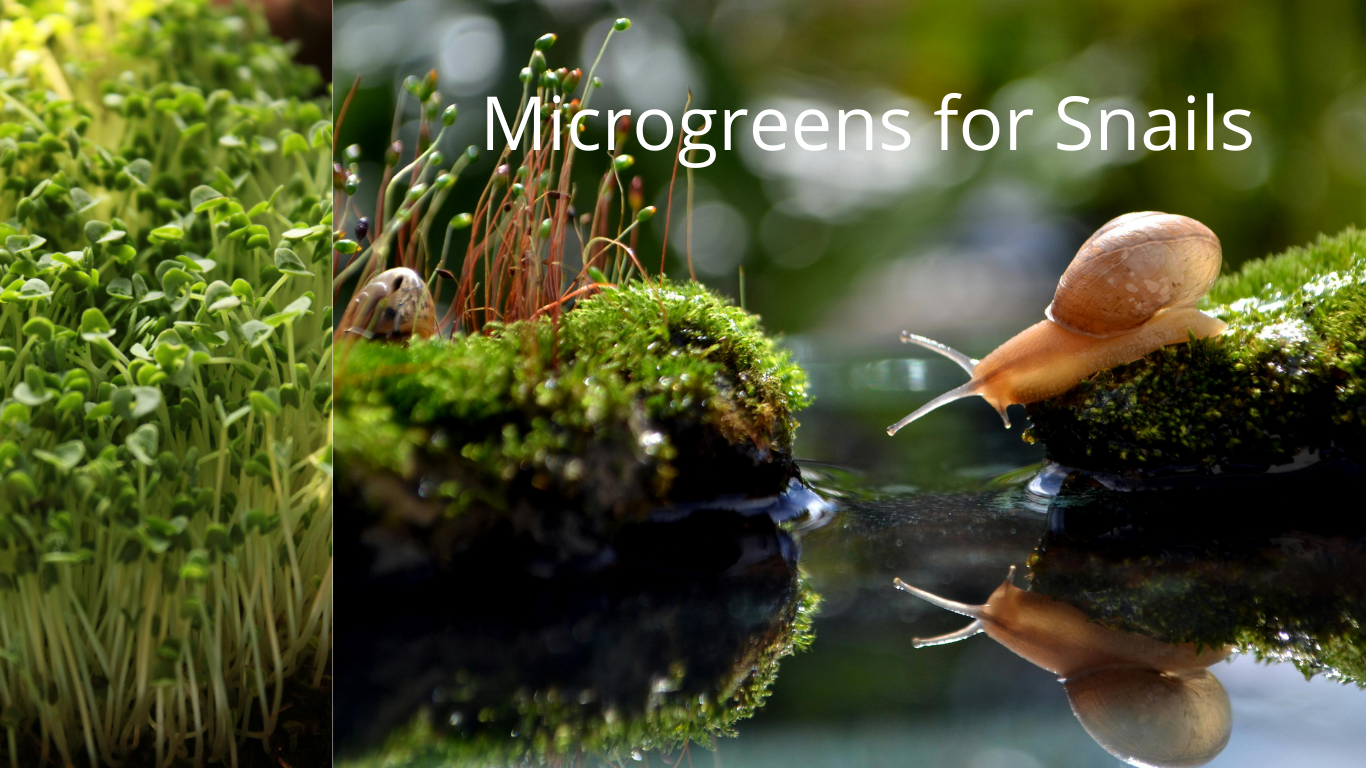
Broccoli and radish microgreens suit snails, rotated with zucchini or carrot. Dietary calcium for the shell is the part with research behind it — and cuttlebone cannot be substituted.
Microgreens for snails are a practical addition to the feeding rotation, not a superfood. Broccoli and radish are the usual starting point, rotated with vegetables such as zucchini or carrot. What they do not do is replace the dietary calcium a snail builds its shell from — that comes from cuttlebone.
If you keep snails, you already know they can be surprisingly picky. One day they demolish a slice of zucchini, the next they ignore it entirely. Keepers end up experimenting, and sooner or later that experimentation reaches microgreens.
Microgreens are easy to grow at home, cheap, and fresh on the day you cut them, which makes them a practical addition to a snail’s feeding rotation. This article is about that — a practical addition, not a superfood.
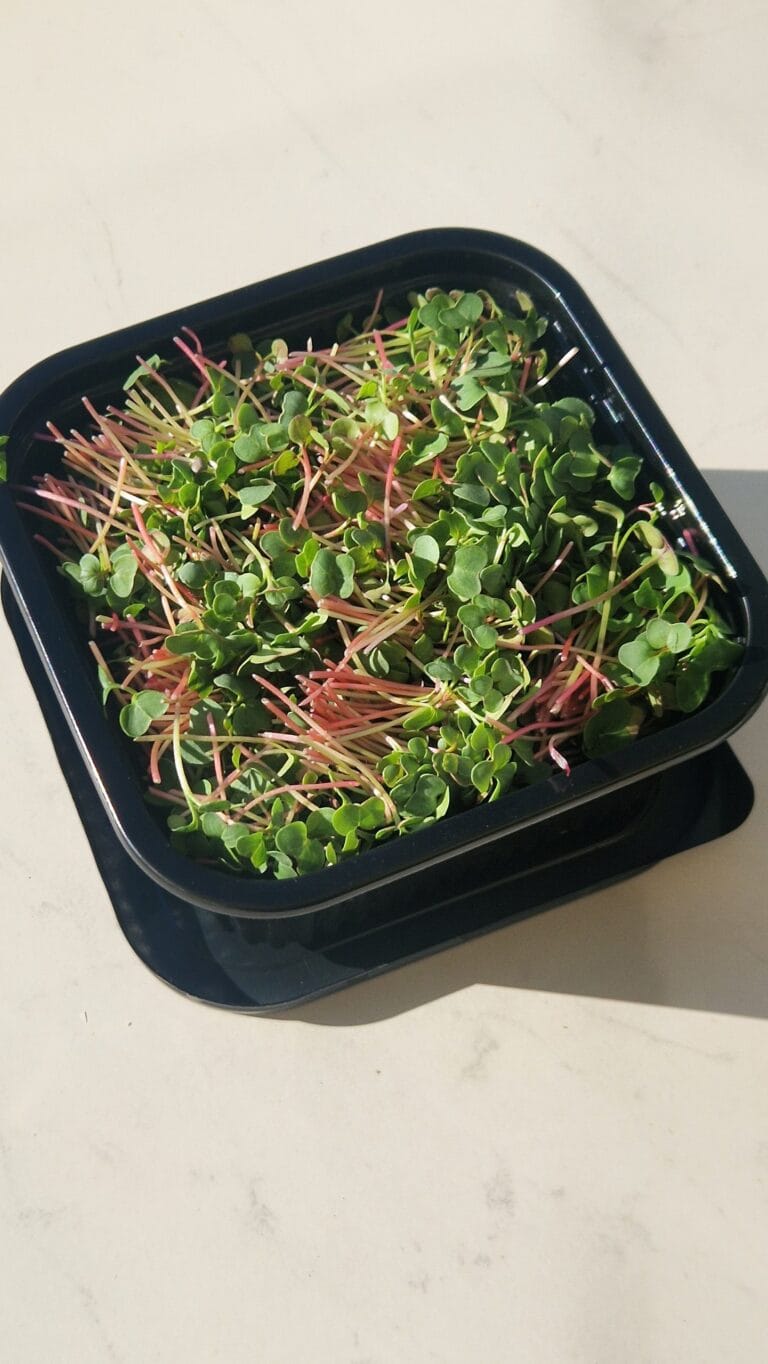
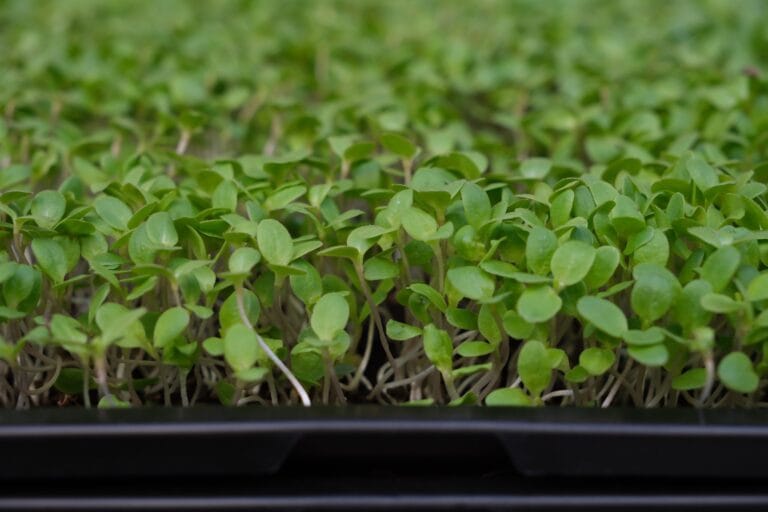
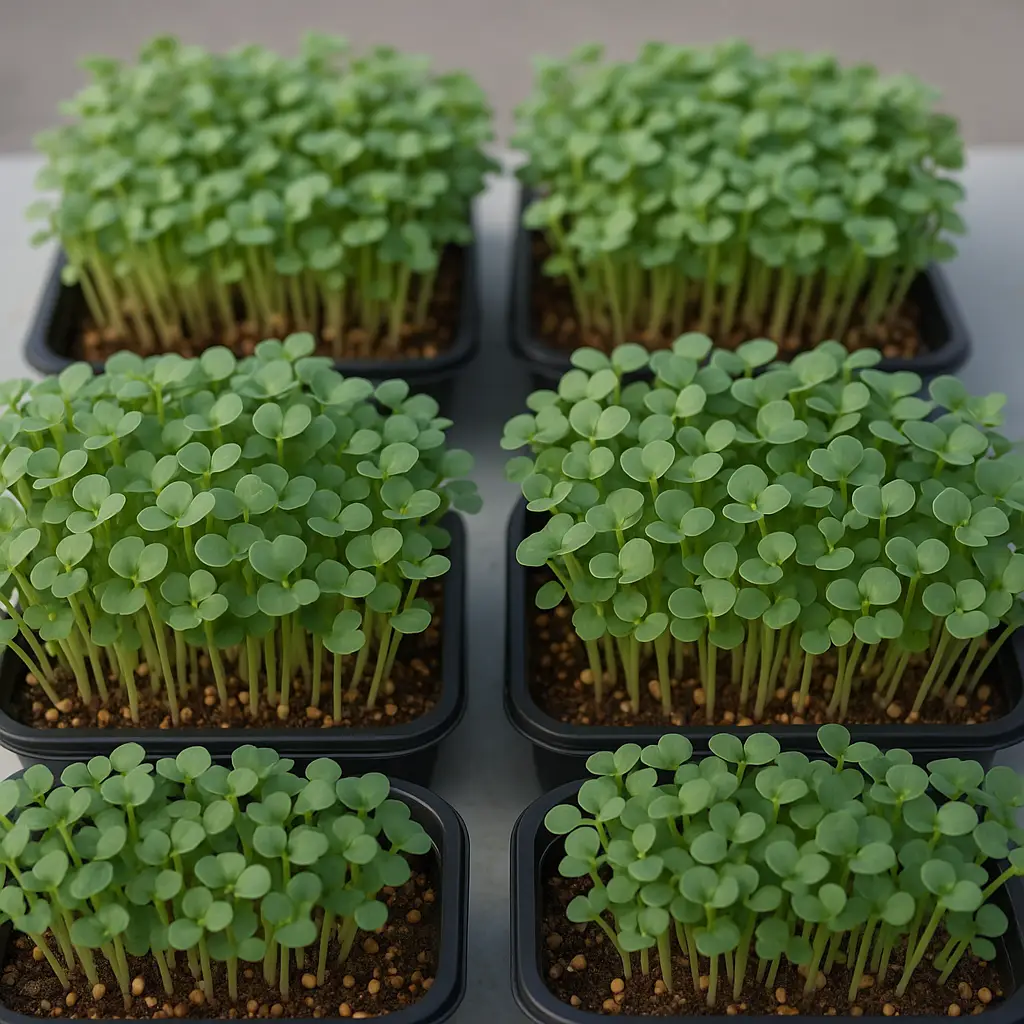
Broccoli microgreens are among the most commonly offered: nutritious, easy to grow, and generally well accepted. Radish microgreens are another common pick and grow very quickly, which makes them forgiving for a beginner. Growing notes for individual crops are in our microgreens crop database.
Alfalfa, clover and mung bean sprouts also turn up regularly in feeding rotations, as do pea and lentil sprouts as occasional additions. Keepers of species such as Helix pomatia report their snails eating these alongside other vegetables. That is a palatability observation from experience, and we are labelling it as one rather than dressing it up.
The shell is calcium carbonate, and the calcium to build it has to come from the diet or the environment. This is the one part of a snail’s nutrition with a peer-reviewed literature behind it: Çelik, Dernekbaşı and Sarıipek (2024), in Molluscan Research, tested egg- and seashell waste as calcium sources in Cornu aspersum feed and measured the effect on growth and on how minerals were distributed between meat, shell and faeces. Calcium in snail feed is a variable researchers deliberately manipulate, because it matters.
In practice, keepers provide it by leaving a real cuttlebone in the enclosure so snails can rasp at it whenever they need to. Microgreens for snails do not replace that, and neither does anything else on the vegetable list.
Rotating microgreens for snails with other vegetables — zucchini, carrot, sweet potato — is sensible practice and keeps feeding interesting. We previously specified “about two or three times per week”. That number came from hobby practice, not from any source we can point at, so we are putting it back where it belongs: as common keeper practice rather than a requirement.
The second withdrawal is more important. This article used to state that vegetables high in oxalates, “such as spinach or kale”, interfere with calcium absorption in snails. We could not find a source for that in snails, and the example was wrong anyway — kale is not a high-oxalate green. Oxalate genuinely does bind calcium, which is why the idea sounds right, but a mechanism that sounds right is not a finding. If you are worried about calcium in a growing snail, the answer is to make sure cuttlebone is always available, not to build an avoid list we cannot support.
Lettuce and sugary fruit are still poor staples for the straightforward reason that they are mostly water and sugar. Offering occasional protein such as mealworms is common keeper practice; we are not attaching a schedule to it, because we do not have one to cite.
Snail keeping has a friendly and well-populated online community, and it is a good place to learn practical things: which greens get eaten, how people set up a sprouting tray, whether microgreens planted directly in a terrarium survive contact with their occupants.
It is not, however, a source for what is safe or nutritionally necessary. This article previously carried a section headed “What Is The Snail Community Saying”, and its Sources list consisted of two Reddit threads and one hobby forum thread. Those have been removed. Where this article now makes a claim about nutrition, it points at a study; where it reports what keepers do, it says so.
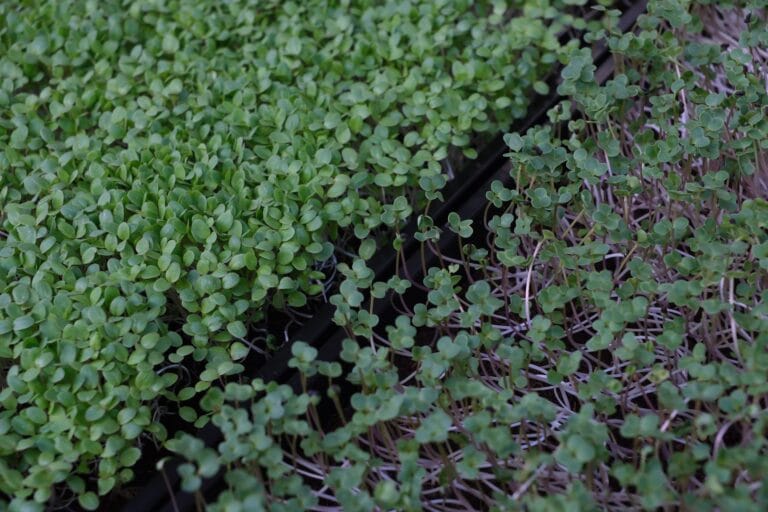
A shallow tray, some growing medium, seed and water. Keep it moist, give it light, and you will usually have a batch ready in ten to fourteen days. Kitchen counter, windowsill or a dedicated shelf all work. Our guide to growing microgreens at home covers the method in more detail.
Two things to watch for: aphids, and the curious snail that decides to climb into the tray before harvest day.
Microgreens for snails are a good addition to the menu — fresh, easy, and satisfying to grow for a small animal. They are not a miracle food, and they never replace calcium or a balanced rotation.
This article is general information for keepers, not veterinary advice. If your snail’s shell is thinning, pitting or deforming, or you have questions about the right diet for your species, consult a veterinarian with invertebrate or exotics experience.
Removed from this list: two Reddit threads and one hobby forum thread. They were the only sourcing this article had for its nutritional claims, which is why those claims have been rewritten above.
This article is part of the free knowledge portal of EVEC Microgreens. Wherever you are on your microgreens journey, there is a path for you:
Co-funded by the European Union.
This portal presents the microgreens methodology; the organisation behind it is EVEC Athens — the European Voluntary and Educational Center (evec.org.gr). Views and opinions expressed are those of the author(s) only and do not necessarily reflect those of the European Union or the European Commission. Neither the European Union nor the granting authority can be held responsible for them.
Open licence. Except where stated otherwise, the educational materials on this portal are licensed under CC BY 4.0 — free to use, adapt and share, including commercially, with credit. See the licence terms.
Accessibility. We aim for WCAG 2.1 AA and publish what does and does not yet meet it — see the accessibility statement. If anything here blocks you, tell us and we will send the material in a format that works for you.