Get in touch
Questions about growing, workshops, the cooperative or partnerships? Send us a message and we will reply by email.
Prefer email? Write to erasmus@evec.org.gr
EVEC Microgreens
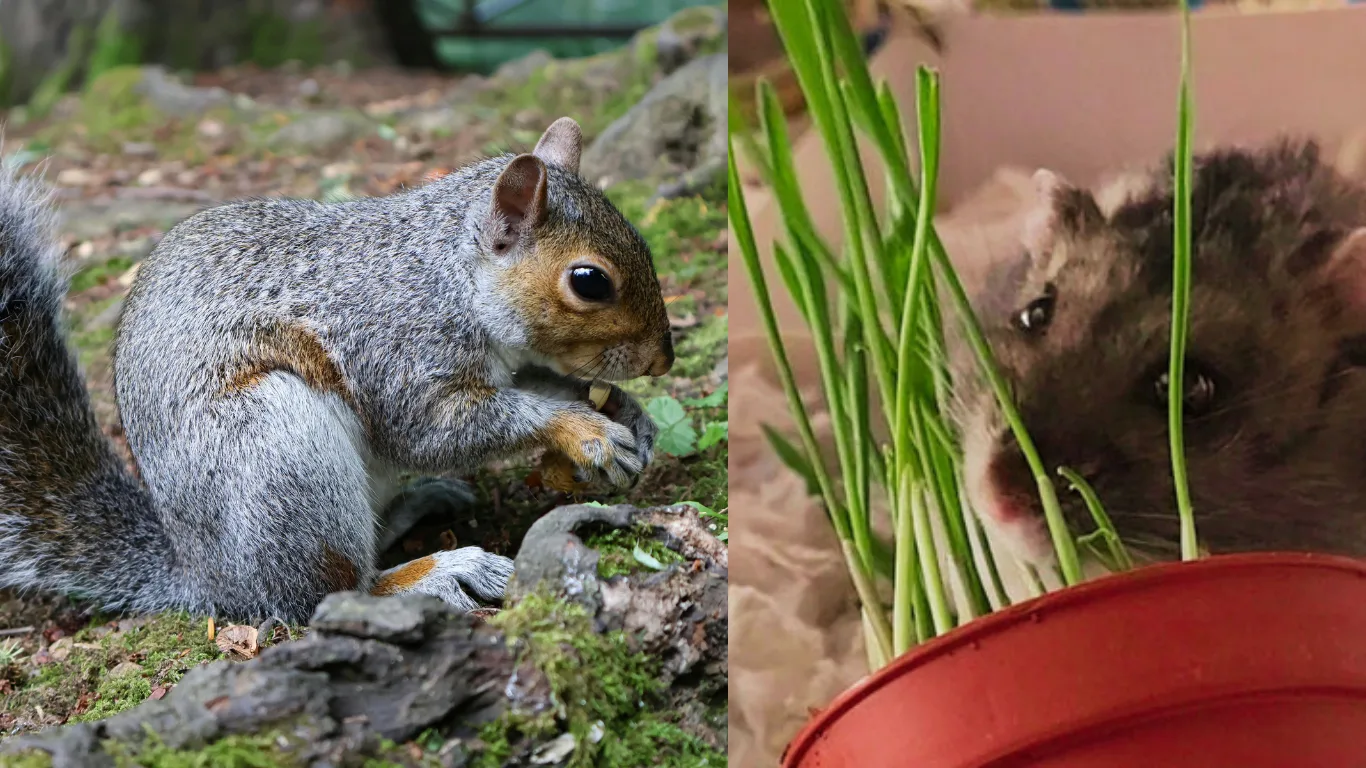
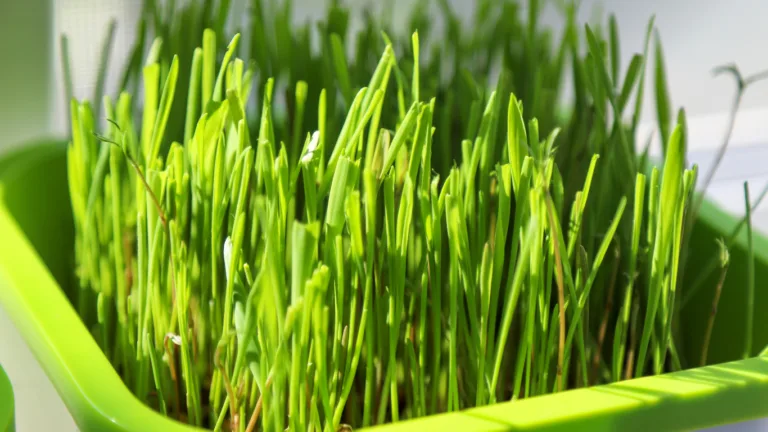
Wheatgrass, pea shoots and sunflower are the microgreens most often offered to hamsters — as a small extra on top of a complete pelleted diet, not a replacement for it.
The Good, the Bad and the Ugly
Can hamsters eat microgreens? Owners commonly offer them, and the veterinary guidance we could find settles one point rather than the whole question: a complete pelleted diet comes first, and anything else is a small extra on top of it. What that guidance does and does not cover is set out below.
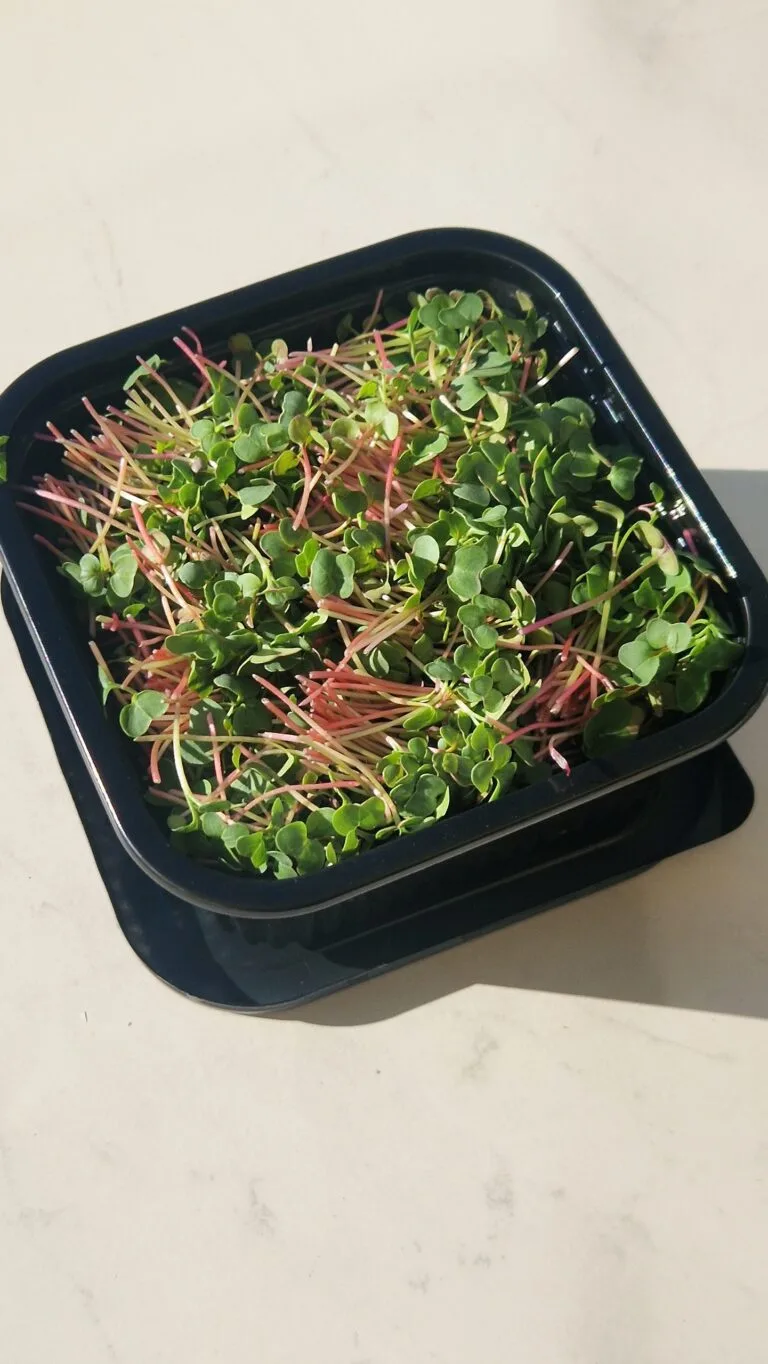
If you keep hamsters, you have probably seen it: a tray of bright green microgreens growing next to a cage. Not for decoration — for the hamster.
Microgreens have quietly become a thing in the small pet world. They are easy to grow, they look good, and they make you feel like a conscientious owner. Like most internet-led pet care trends, they come with a mix of genuine upside, real caveats, and the occasional chaotic outcome.
The one thing to get right before anything else. The MSD Veterinary Manual’s chapter on Hamsters states that captive hamsters “should be fed a complete, balanced, pelleted diet specifically made for hamsters”, and that “generic seed mixes should be avoided because hamsters selectively pick out seeds and ignore pellets”. That is the diet. Everything in this article is a small extra on top of it — and a hamster that fills up on the interesting extras and leaves the pellets is exactly the failure mode the Manual is warning about.
The appeal is straightforward. Microgreens are fresh, fast to grow and pleasant to handle. Wheatgrass is the classic pick because it is gentle and easy to chew, pea shoots are soft and slightly sweet, and sunflower microgreens have more texture for a determined nibbler.
Broccoli, kale, parsley, basil, dill and alfalfa microgreens are also widely offered to small rodents, including guinea pigs. We want to be precise about the status of that: they are commonly offered, and we found no authoritative source establishing them as either safe or unsafe for hamsters specifically. An earlier version of this article described them as “safe options often mentioned by pet care guides”, which reads as an endorsement built out of other people’s endorsements. If in doubt, introduce one at a time and in tiny amounts, and ask your vet.
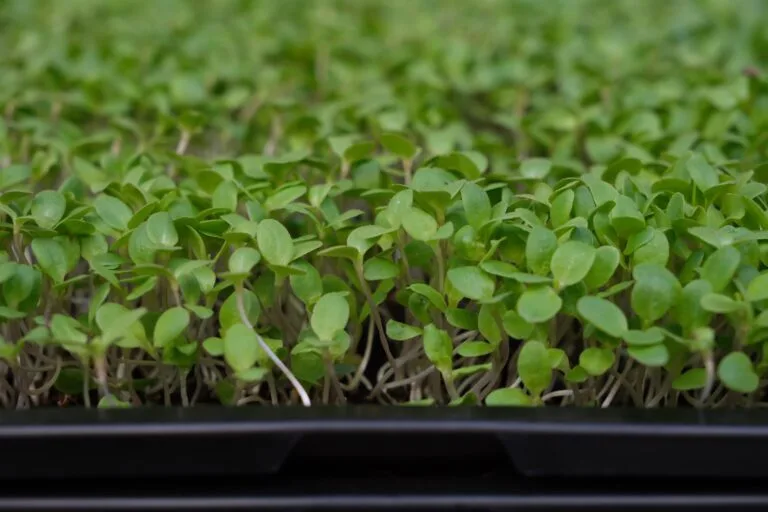
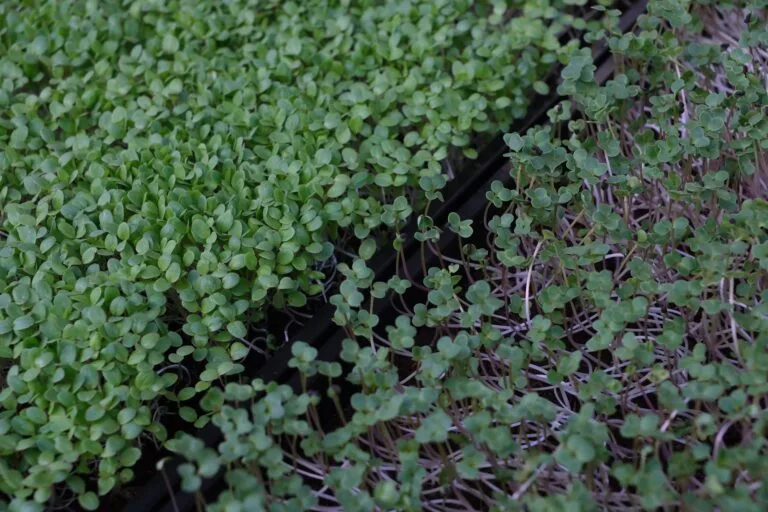
Growing them is genuinely easy — a shallow tray, seed, water and a windowsill gives you a batch in around ten days, for your hamster and for you. For a lot of owners, growing food for their animal is half the point.
A note on chipmunks. This article’s title includes them, so it should be said plainly: authoritative veterinary nutrition guidance for pet chipmunks is much thinner than for hamsters, and we found nothing specific to microgreens. Treat everything here as hamster guidance that may or may not transfer, and take chipmunk diet questions to a vet with exotics experience.
Hamsters have small, sensitive digestive systems, so any new plant food should be introduced slowly and in small amounts. A sudden pile of watery greens is a plausible cause of loose stools.
On that point, this article previously stated that spinach microgreens “contain oxalates that can contribute to kidney or bladder problems if eaten too often” in hamsters, and that radish microgreens “may cause gas or bloating”. We could not source either claim for hamsters and have withdrawn both as stated. What we can source is the neighbouring principle, from the MSD Veterinary Manual’s chapter on Nutrition in Rodents and Lagomorphs: “feeding a large amount of alfalfa and pellets containing high levels of calcium is not advised, because it can lead to urolithiasis in some rodent and lagomorph species”. Urinary stones in small rodents are a real, diet-linked problem — the mineral load is the documented lever, and a formulated diet plus small treats is how you avoid arguing with it.
Cleanliness is the other real issue. Microgreens grow in warm, damp conditions, which also suit mold. Growing your own means you can see what you are feeding.
In theory, microgreens are neat and wholesome. In practice they sometimes turn a cage into a construction site.
Some hamsters refuse them outright and go back to their seeds. Others do not eat them so much as redecorate with them — a tray of wheatgrass placed in an enclosure for enrichment can end up flattened, with the soil kicked out and half the crop relocated to the sleeping nest. Owners describe both outcomes often enough that you should expect one of them.
An earlier version of this article quoted individual forum users directly, in quotation marks, about their hamsters’ reactions. We have removed those quotes. We could not verify them or attribute them properly, and unverifiable quotes attributed to real people have no place on a page that also gives feeding advice. The behaviour they described is common enough to say in our own words, which is what the paragraph above now does.
And then there is mold. Forget to water properly, or leave a tray in a humid corner, and you will lose the crop. Everyone who grows microgreens learns this once.
So yes — microgreens can be a fun, fresh enrichment item for a hamster. Just do not be surprised if your carefully grown farm ends up as bedding instead of dinner. That is part of the process.
This article is general information for owners, not veterinary advice. Species-specific diet questions — including how much of anything is appropriate for your hamster or chipmunk — belong with your veterinarian.
Removed from this list: a hamster hobby forum thread, a pet-plant retailer, and two microgreens vendor blogs. They were the only support for the safety and oxalate claims this article used to make, which is why those claims have been rewritten above.
This article is part of the free knowledge portal of EVEC Microgreens. Wherever you are on your microgreens journey, there is a path for you:
Co-funded by the European Union.
This portal presents the microgreens methodology; the organisation behind it is EVEC Athens — the European Voluntary and Educational Center (evec.org.gr). Views and opinions expressed are those of the author(s) only and do not necessarily reflect those of the European Union or the European Commission. Neither the European Union nor the granting authority can be held responsible for them.
Open licence. Except where stated otherwise, the educational materials on this portal are licensed under CC BY 4.0 — free to use, adapt and share, including commercially, with credit. See the licence terms.
Accessibility. We aim for WCAG 2.1 AA and publish what does and does not yet meet it — see the accessibility statement. If anything here blocks you, tell us and we will send the material in a format that works for you.