Get in touch
Questions about growing, workshops, the cooperative or partnerships? Send us a message and we will reply by email.
Prefer email? Write to erasmus@evec.org.gr
EVEC Microgreens


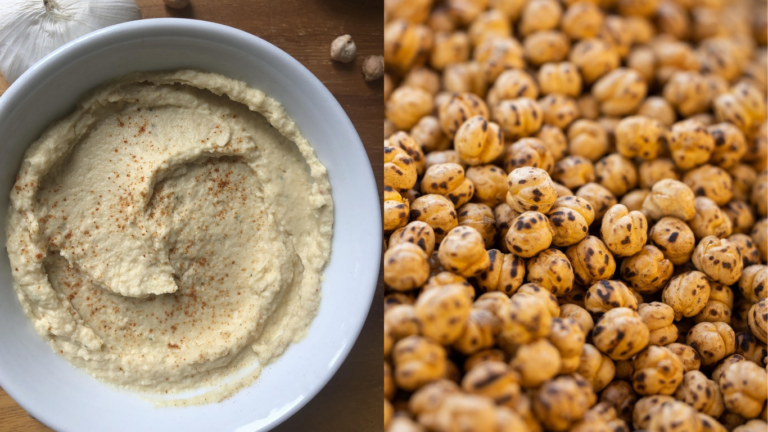
Hummus is one of the most representative dishes of Middle Eastern and Mediterranean cuisine. Traditionally made from blended chickpeas, tahini, olive oil,…
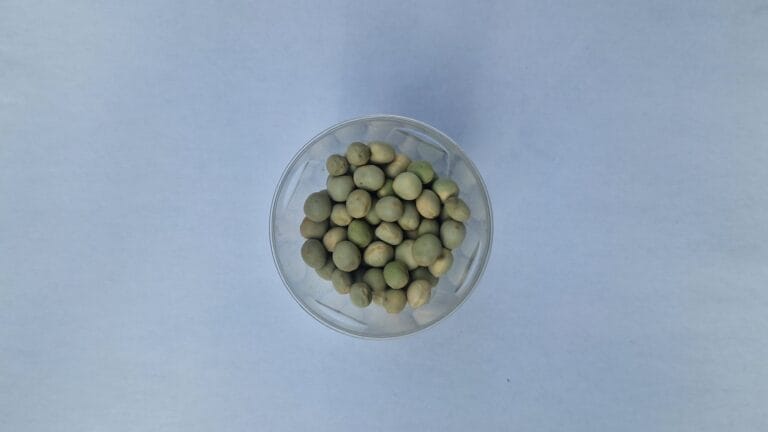
Pea, lentil, chickpea and sunflower microgreens are a real source of plant-based protein. Which protein-rich microgreens to grow and why they stand out nutritionally.
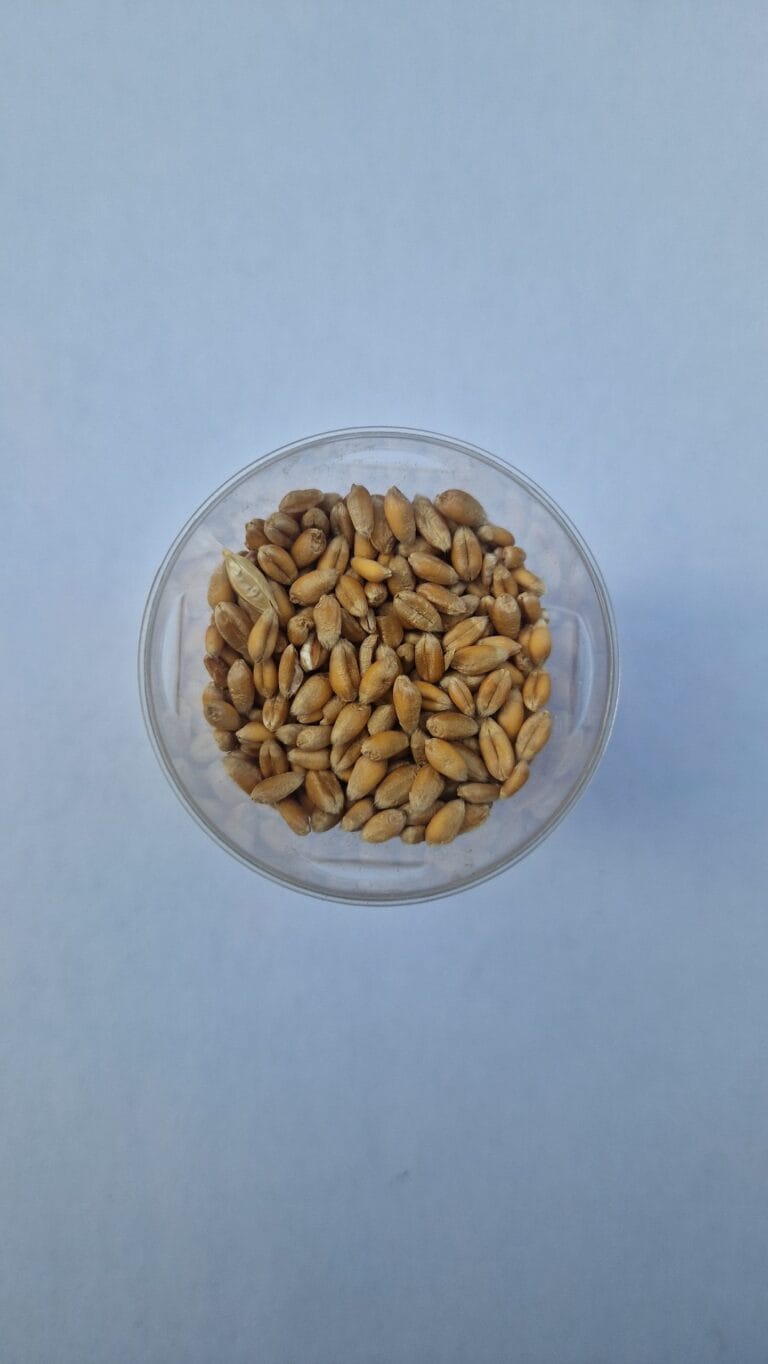
Barley microgreens: an easy-to-grow, lesser-known crop with high nutritional value and several ways to use it. How to grow them and why they are worth trying.
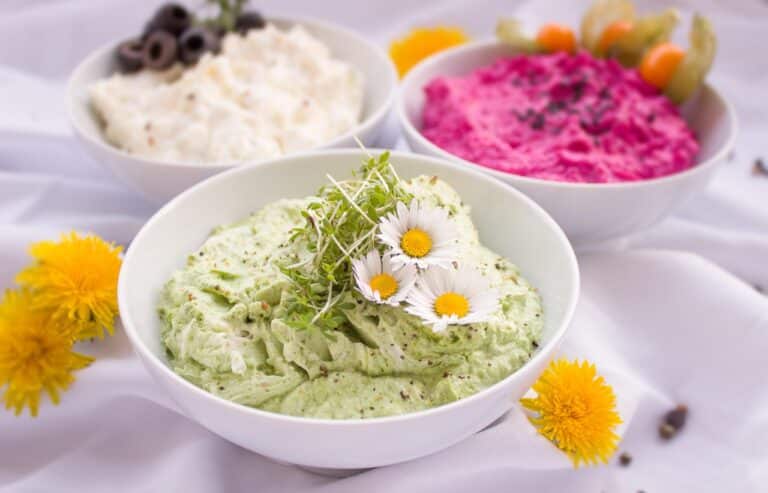
Microgreens have become a common ingredient in modern cuisine thanks to their intense flavor, nutritional value, and culinary versatility. Although they are…
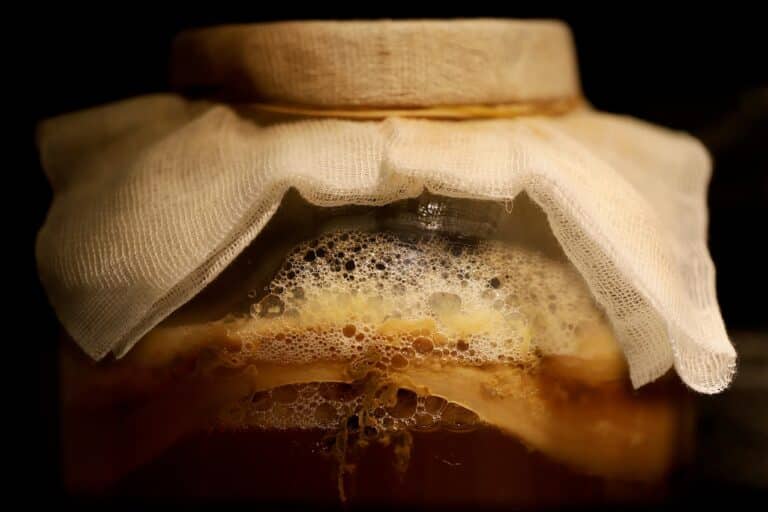
In recent years, a new trend has emerged that takes the many properties of microgreens one step further: fermentation. This process, known…
Co-funded by the European Union.
This portal presents the microgreens methodology; the organisation behind it is EVEC Athens — the European Voluntary and Educational Center (evec.org.gr). Views and opinions expressed are those of the author(s) only and do not necessarily reflect those of the European Union or the European Commission. Neither the European Union nor the granting authority can be held responsible for them.
