Still hungry for more? We teach how to grow microgreens in the city, harvest them at home and turn them into healthy, delicious meals. Want to join a workshop or be part of the project as a volunteer?
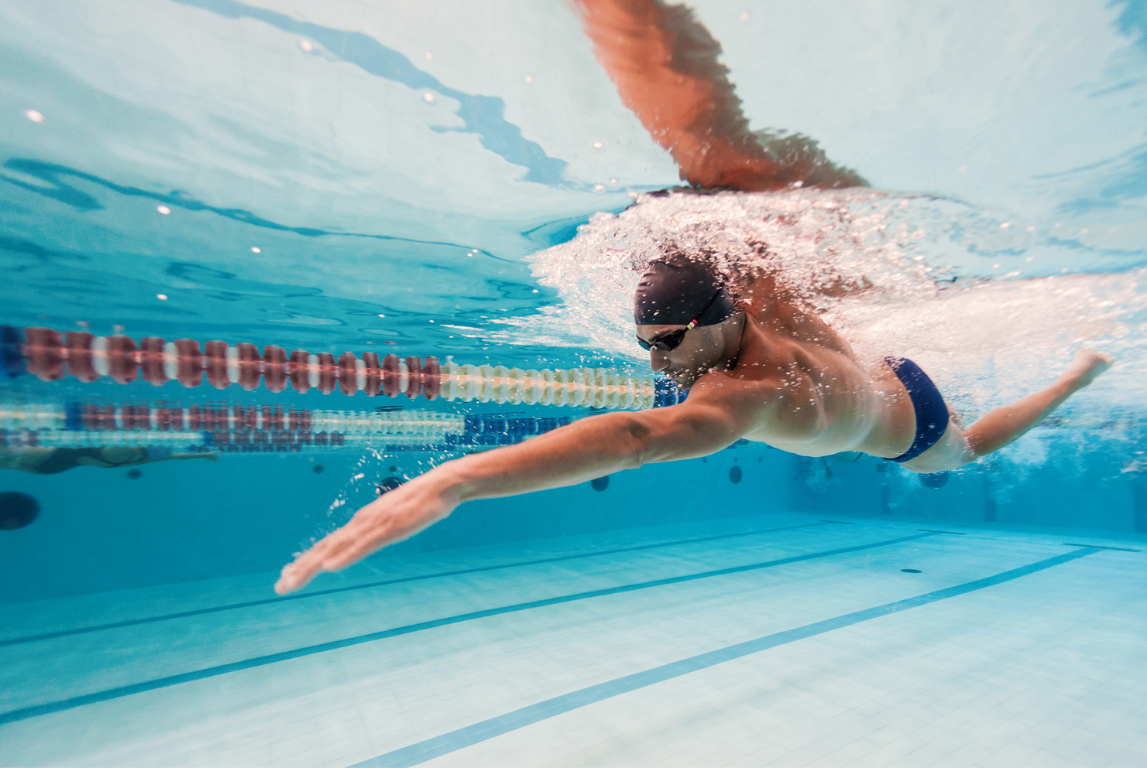
In recent years, microgreens have gained great popularity among athletes and nutritionists. Their appeal in this field lies in their remarkable nutrient density, often higher than that of the mature plant. But what real benefits can they offer for health and athletic performance? Let’s take a look!
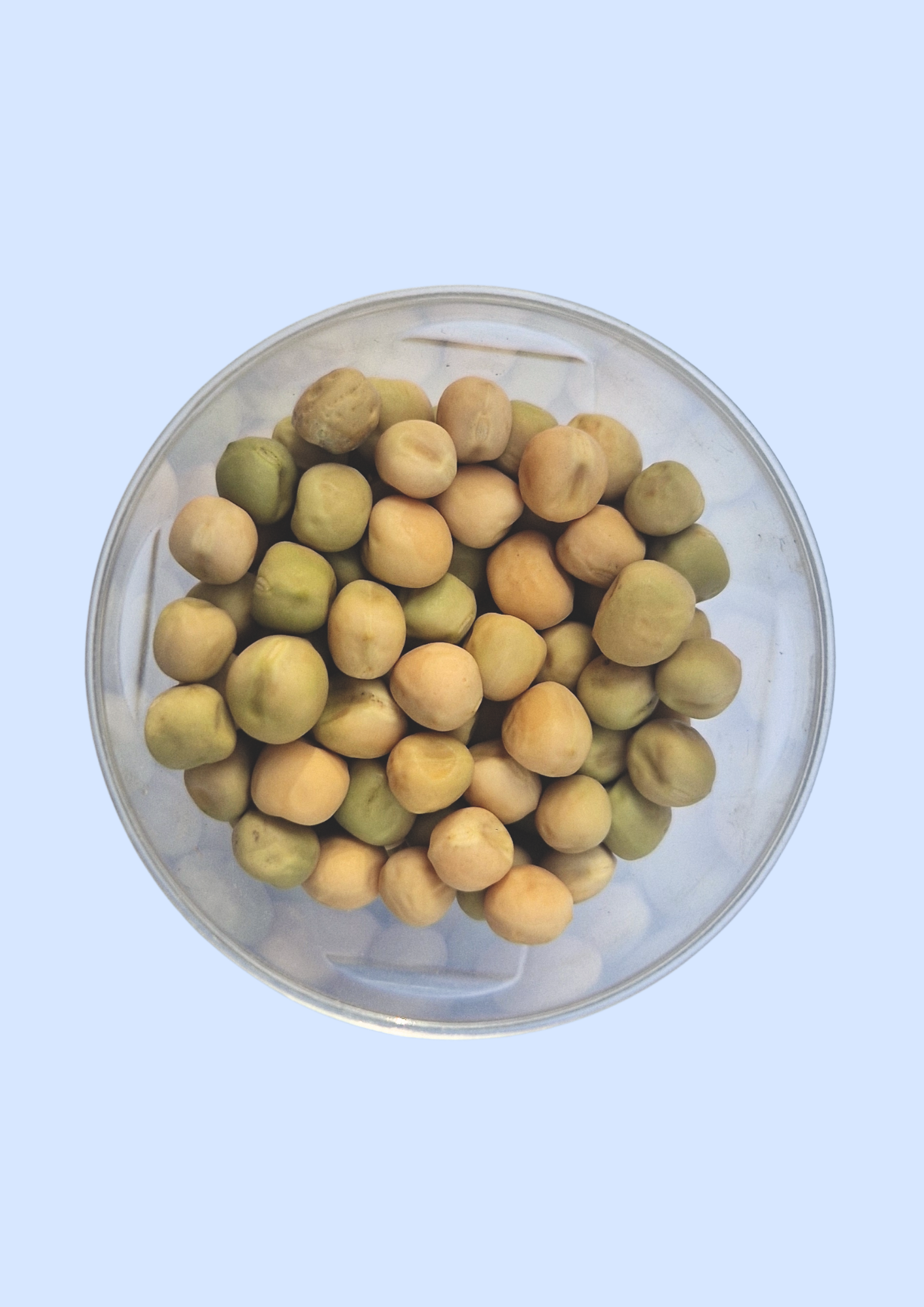
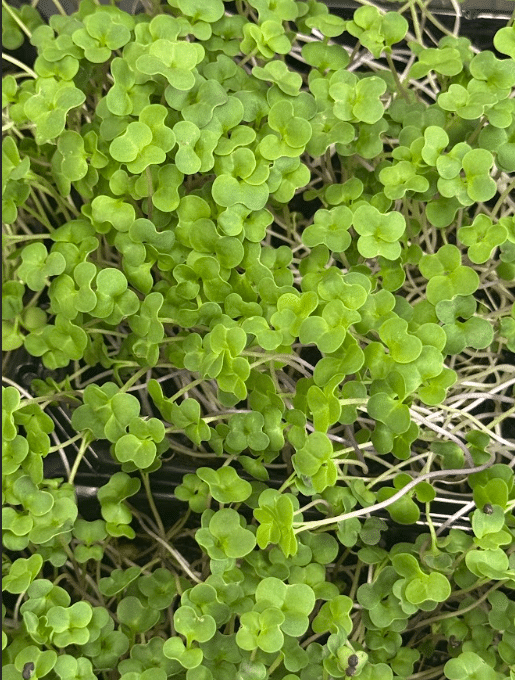
Microgreens such as broccoli, radish, pea, or sunflower are rich in B vitamins, iron, and chlorophyll, essential nutrients for energy metabolism. This is relevant for both endurance and strength athletes.
Reduced inflammation and oxidative stress
Intense exercise produces free radicals and small muscle inflammations. Microgreens, especially those from the cruciferous family, contain sulforaphane, flavonoids, and other antioxidants that help reduce this stress.
More efficient muscle recovery
Magnesium, potassium, and calcium found in many varieties support neuromuscular function, muscle contraction, and cramp prevention. They also help replenish electrolytes after intense training sessions.
Strengthening the immune system
Frequent training can temporarily weaken immunity. Microgreens provide vitamin C, zinc, polyphenols, and compounds that promote gut health, key to a strong immune response.
Allies of athlete focused diets
According to various sources, microgreens are a useful tool in plant based diets, which are common among both professional and amateur athletes. Their nutritional content helps compensate for possible deficiencies in vegan or vegetarian eating patterns, improving:
iron absorption
plant protein intake
mineral balance
vitamin supply critical for performance
In addition to their nutritional value, they are easy to consume: they can be added to smoothies, salads, bowls, or recovery drinks.
Various studies suggest that microgreens still have underestimated potential in areas such as preventing oxidative stress in athletes, reducing cellular damage after high-intensity exercise, improving athletes’ gut microbiota, or biofortification to increase iron or specific vitamins.
And what do you think? Do you believe that in the coming years they could become a key food in sports nutrition?
Thanks, and see you next time!
Carlota
Sources
Balik, S., Elgudayem, F., Yildiz Dasgan, H., Kafkas, N. E., & Gruda, N. S. (2025). Nutritional quality profiles of six microgreens. Scientific Reports, 15(1), 6213. https://pubmed.ncbi.nlm.nih.gov/39979322/
[…] friends, we’re back with the second part of the previous article, “Microgreens and Sports Performance.” In this follow up, we take a deeper look at how to use them in practice, which varieties are […]





[…] friends, we’re back with the second part of the previous article, “Microgreens and Sports Performance.” In this follow up, we take a deeper look at how to use them in practice, which varieties are […]