Hello again friends!
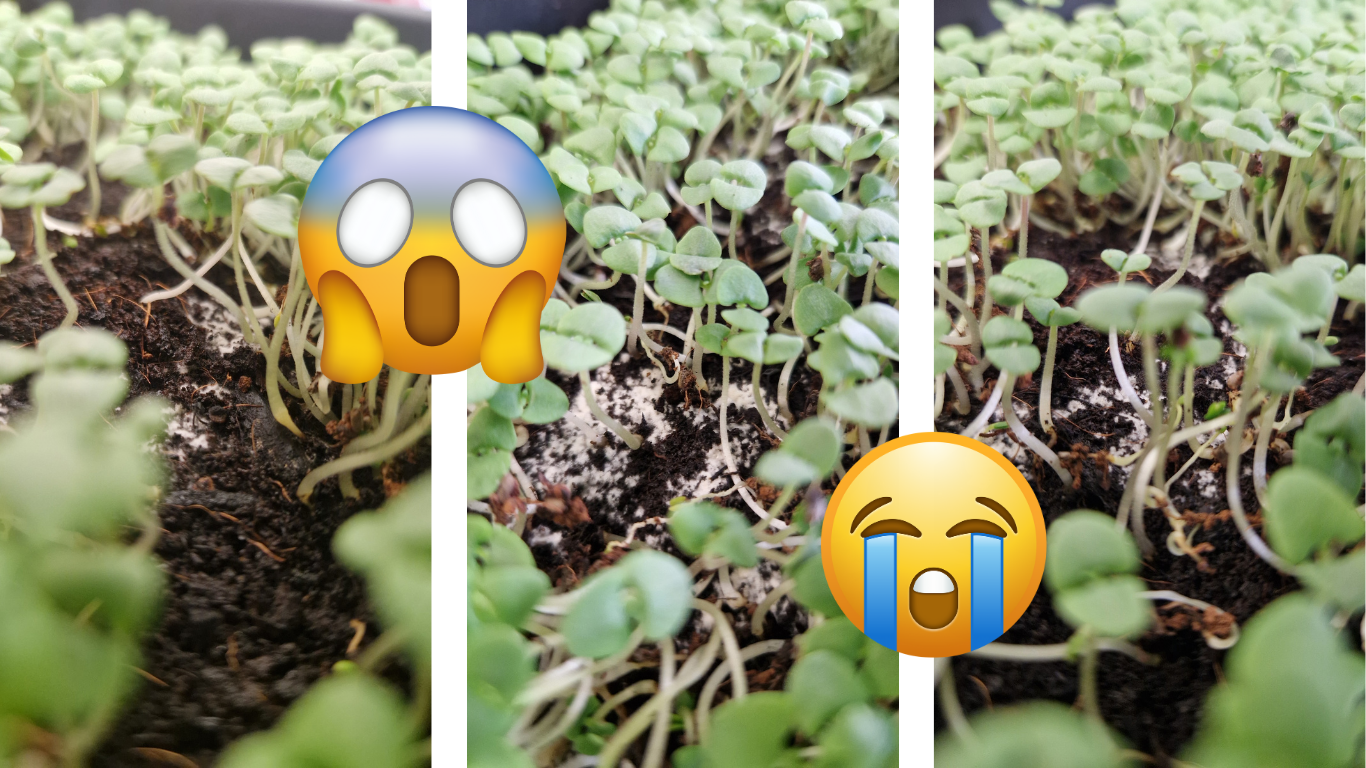
As you know, in our office we grow different varieties of microgreens, and of course, along the way we’ve had to overcome several challenges to perfect our growing technique. We’ve previously shared some of our learnings about caring for microgreens, but one of the most common, and perhaps most frustrating, problems has been mold.
Mold not only ruins the harvest but can also pose a health risk if accidentally consumed. Fortunately, after several trials and tests, we’ve learned how to prevent its appearance easily, following expert recommended practices and adapting them to our daily experience. Here’s what we’ve learned!
- Start with quality seeds and substrate
The first line of defense against mold is hygiene. Use certified microgreen seeds and a clean substrate, free from contaminants. Avoid reusing soil or trays that may contain spores from previous crops.
- Control humidity without overdoing it
Microgreens need moisture to germinate, but too much water creates the perfect environment for fungi.
- Mist the substrate with a spray bottle instead of pouring water directly.
- Keep the surface moist, not waterlogged.
- Once the seeds have germinated, slightly reduce watering to avoid excess moisture.
- Ensure good air circulation
Stagnant air is mold’s best friend. Place your trays in a well-ventilated area or use a small fan to improve airflow. This helps the surface dry evenly and reduces the risk of fungal growth.
- Provide adequate light, not just for growth
In addition to supporting growth, light (natural or artificial) also keeps the substrate drier. After the germination phase, expose your microgreens to direct light or grow lamps to strengthen them and make mold less likely to appear.
- Maintain hygiene at every step
Clean trays, tools, and surfaces with soap and water before each sowing. A clean environment reduces the chance of introducing spores into your crop.
- Daily inspection and quick action
Check your microgreens every day. If you spot any moldy areas, remove the affected part immediately and improve ventilation and moisture control to prevent it from spreading.
As you can see, growing microgreens doesn’t have to become a battle against mold. With proper hygiene, moisture control, and good airflow, it’s possible to enjoy fresh, nutritious, and contaminant free sprouts. The key is prevention, and with these simple steps, your next harvest will be a success.
Thank you, friends, see you next time.
Carlota




[…] addition, fungi and molds are frequent problems in production, as we’ve discussed in previous articles. According to Epic Gardening, high seeding density and poor ventilation encourage mold growth, […]