In previous articles, we explained how microgreens could be introduced in schools to serve as a learning and work tool. In today’s article, we thought, why not provide guidelines for introducing them in nursing homes and day centers for older adults as well? For them, maintaining physical, mental, and emotional health is essential, and microgreens can become a simple and effective tool to improve well being while offering therapeutic and recreational opportunities.
Our goal is to provide therapists, caregivers, and professionals in geriatric centers with a practical guide on how to incorporate microgreens into the daily lives of older adults, combining nutrition, cognitive stimulation, and occupational therapy.
Benefits of microgreens for older adults
- Nutrition: Microgreens contain vitamins, minerals, and antioxidants that support overall health, immunity, and vitality.
- Cognitive stimulation: Observing growth, recording changes, and planning care exercises memory, attention, and planning skills.
- Motor skills: Planting, watering, and harvesting sprouts helps strengthen hands and fingers, which is very useful for people with arthritis or reduced mobility.
- Emotional well being: Participating in plant care projects generates a sense of achievement, reduces anxiety, and encourages social connection.
Suggested activities for day centers and nursing homes
- Therapeutic miniature gardens
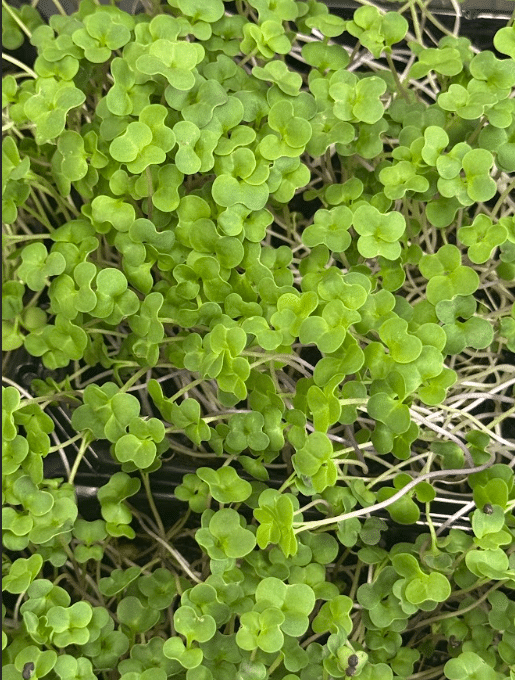
Place trays of microgreens on activity tables or sunny windows. Residents can water them, measure growth, and record observations in notebooks or sheets.
- Healthy cooking workshops
Organize sessions where microgreens are incorporated into salads, soups, smoothies, or sandwiches. Besides promoting nutrition, these activities encourage creativity and social interaction. As you know, we have numerous articles with easy recipes using microgreens.
Connect microgreens with past memories, such as seeds they grew in their youth or traditional dishes. This can spark conversations, enhance memory, and create bonds among participants.
Touch: Handling seeds, substrate, and sprouts.
Sight: Observing the different colors and shapes.
Smell: Sensing the aromas of sprouts like radish or alfalfa.
These activities are especially useful for people with mild cognitive impairment or dementia, gently and safely stimulating the senses.
Create collages or artwork using dried microgreens.
Design illustrated menus or decorate dishes with sprouts, encouraging culinary creativity.
Paint or draw microgreens at different growth stages as a relaxing and expressive activity.
Create a watering and plant care calendar as a group activity that promotes responsibility and cooperation.
Organize weekly tastings where residents share their thoughts on flavors, textures, and potential recipes, encouraging social interaction.
Invite family members to open days to show the process and participate in tastings.
Practical tips for therapists and caregivers
- Start with fast growing microgreens, such as sunflower, lettuce, or broccoli.
- Prepare all materials in advance to make participation easier for people with limited mobility.
- Involve family members in special activities, such as harvesting or cooking workshops.
- Record each resident’s progress and changes to evaluate physical and cognitive benefits.
- Adjust table or tray heights according to participants’ physical needs to avoid strain.
In conclusion…
Introducing microgreens in nursing homes and day centers is not just a gardening activity: it is a multifaceted tool that combines nutrition, cognitive stimulation, motor skills, creativity, and emotional well being. With these small plants, therapists can provide meaningful experiences that promote holistic health and social connection, improving the quality of life for older adults in a practical and engaging way.
Thank you very much. We hope you enjoyed this article. See you next time!
Carlota