Get in touch
Questions about growing, workshops, the cooperative or partnerships? Send us a message and we will reply by email.
Prefer email? Write to erasmus@evec.org.gr
EVEC Microgreens
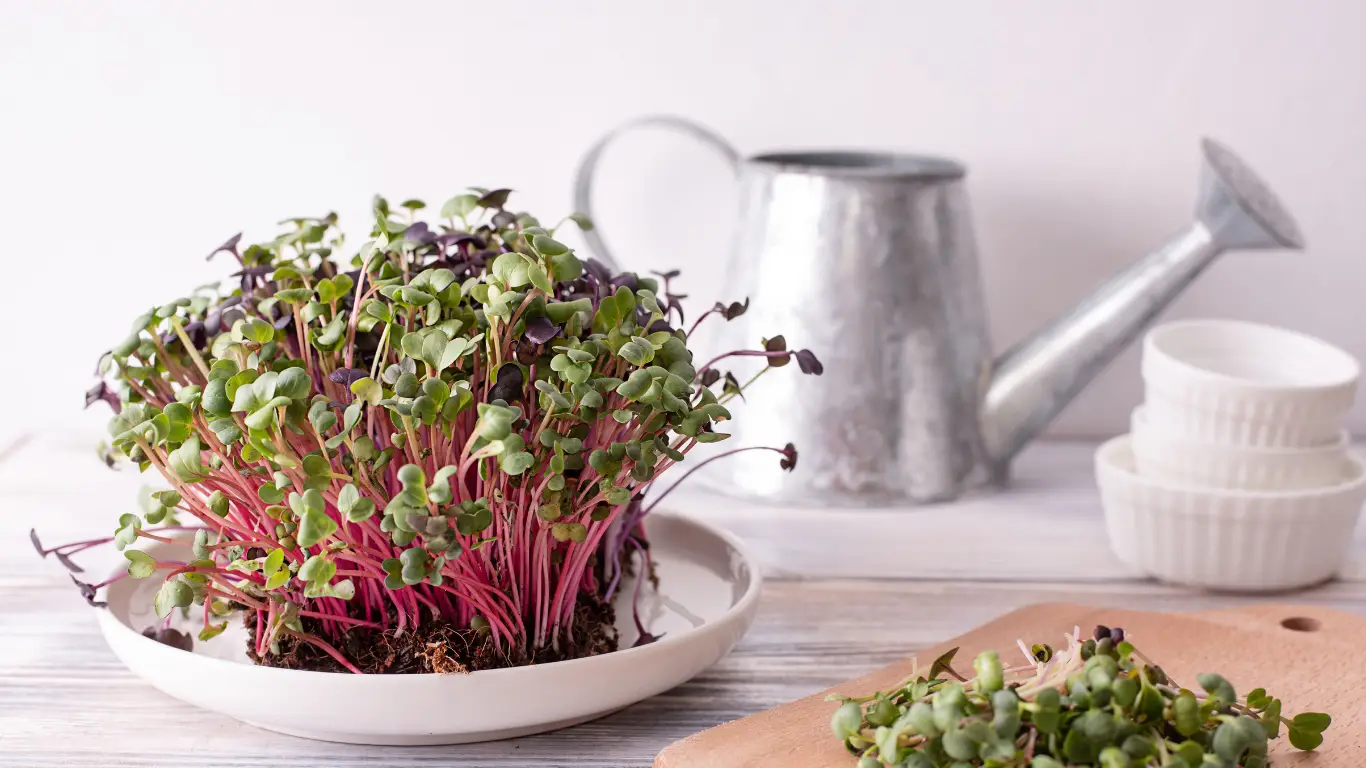
The antioxidant capacity of radish microgreens, explained from the science: what a key study found about their antioxidant properties and why it matters for you.
In previous articles, we have discussed some of the properties of radish microgreens. This time we wanted to dive deeper and look at a specific scientific study on their antioxidant properties.
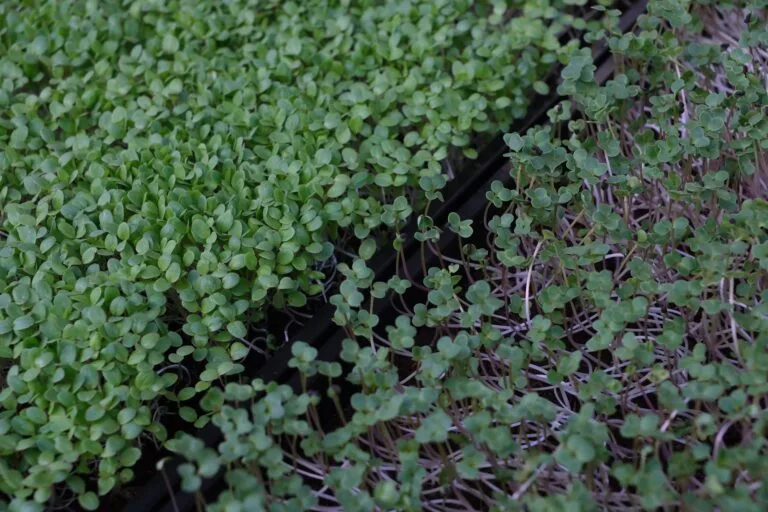
This study, published in the journal Horticulturae, evaluated the antioxidant capacity of three radish microgreen cultivars grown under different LED light conditions. The results showed that a combination of blue and red LED light (B:2R) increased the synthesis of key antioxidant compounds such as total soluble phenols, ascorbic acid, proteins, sugars, chlorophyll and carotenoids, along with an increase in dry matter. In other words, the study is about how growing conditions affect the plant’s composition — it did not test health effects in people. More open-access studies on microgreens are collected in our Science Library.
More broadly, radish microgreens are a nutrient-dense food with a notable antioxidant content, thanks to phenolic compounds, flavonoids and other antioxidants. Radish sprouts, for example, contain a range of phenols, flavonoids, lignans, coumarins, quinones and tannins.
What does this mean in practice? Antioxidant-rich foods like radish microgreens are generally considered a healthy part of a balanced diet. The points below reflect what antioxidants are associated with in broader nutrition research — not specific outcomes proven by the LED study above, and not medical claims:
In short, radish microgreens are a tasty, nutrient-dense addition to meals, and easy to grow at home. Enjoy them as part of a balanced diet rather than as a treatment for any condition.
That’s all for today’s article, friends. Thank you very much!
Carlota
Mlinarić, S., Piškor, A., Melnjak, A., Mikuška, A., Šrajer Gajdošik, M., & Begović, L. (2023). Antioxidant Capacity and Shelf Life of Radish Microgreens Affected by Growth Light and Cultivars. Horticulturae, 9(1), Article 76. https://doi.org/10.3390/horticulturae9010076 (mdpi.com)
This article is part of the free knowledge portal of EVEC Microgreens. Wherever you are on your microgreens journey, there is a path for you:
Co-funded by the European Union.
This portal presents the microgreens methodology; the organisation behind it is EVEC Athens — the European Voluntary and Educational Center (evec.org.gr). Views and opinions expressed are those of the author(s) only and do not necessarily reflect those of the European Union or the European Commission. Neither the European Union nor the granting authority can be held responsible for them.
Open licence. Except where stated otherwise, the educational materials on this portal are licensed under CC BY 4.0 — free to use, adapt and share, including commercially, with credit. See the licence terms.
Accessibility. We aim for WCAG 2.1 AA and publish what does and does not yet meet it — see the accessibility statement. If anything here blocks you, tell us and we will send the material in a format that works for you.

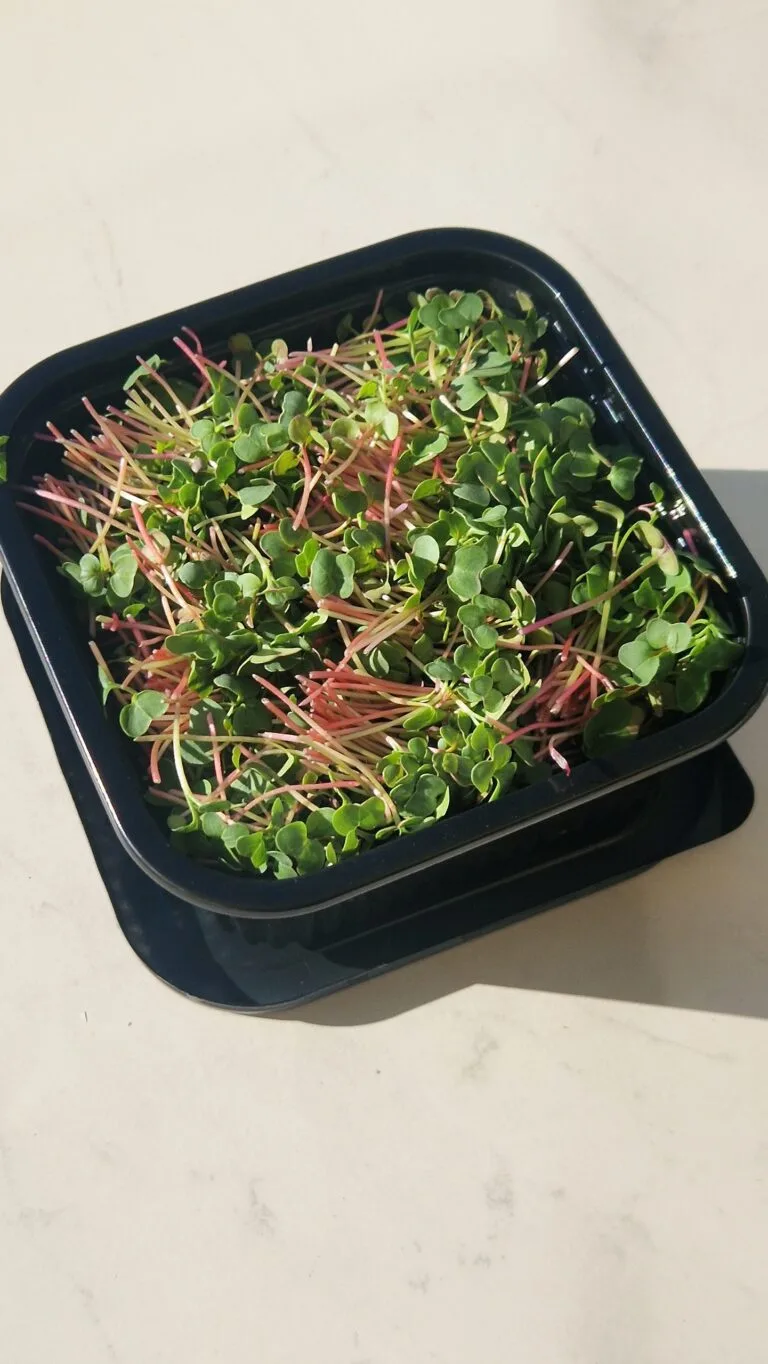
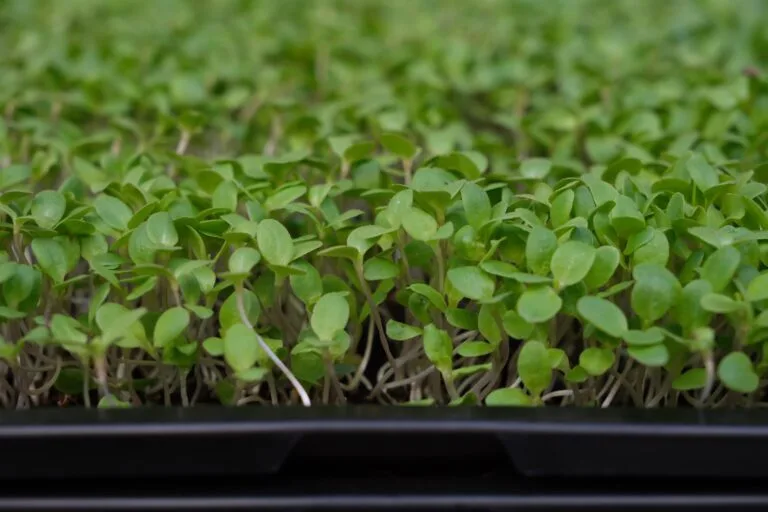

[…] The science — the antioxidant capacity of radish microgreens […]