Get in touch
Questions about growing, workshops, the cooperative or partnerships? Send us a message and we will reply by email.
Prefer email? Write to erasmus@evec.org.gr
EVEC Microgreens
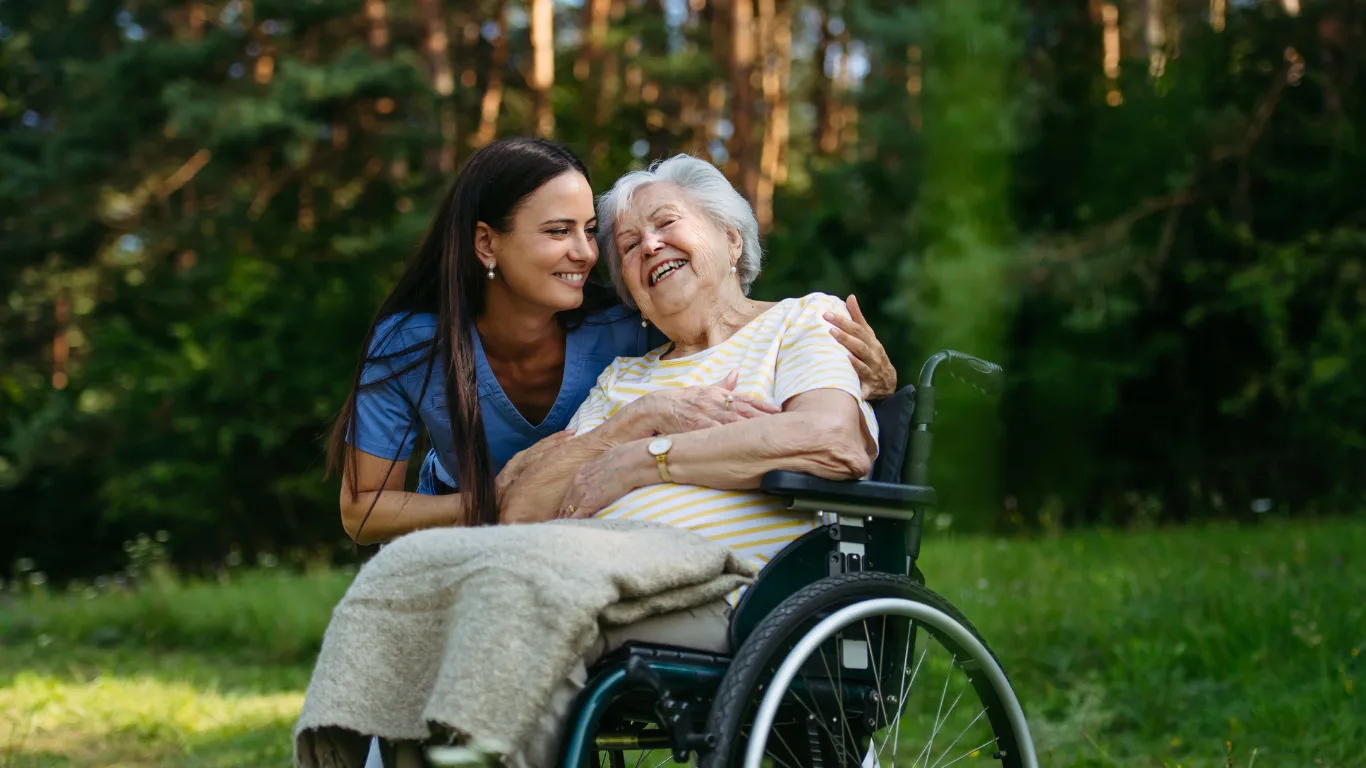
Six activities for nursing homes and day centers: tabletop growing trays, cooking workshops, reminiscence, sensory therapy, art, and group care calendars.
In previous articles, we explained how microgreens could be introduced in schools to serve as a learning and work tool. In today’s article, we thought, why not provide guidelines for introducing them in nursing homes and day centers for older adults as well? Growing microgreens is cheap, needs no garden and works on a tabletop, which makes it an easy activity to run in a care setting — and, as the note below explains, activities of this kind have some supporting evidence behind them, though not for microgreens specifically.
Our goal is to provide therapists, caregivers, and professionals in geriatric centers with a practical guide on how to incorporate microgreens into the daily lives of older adults, combining nutrition, cognitive stimulation, and occupational therapy.
What the evidence does and does not cover. The therapeutic benefits below come from research on horticultural therapy generally — growing and tending plants — not from studies of microgreens specifically, and we are not aware of any trial testing microgreen growing as an intervention. Two systematic reviews with meta-analysis are the relevant evidence: one pooling 10 randomised controlled trials (884 participants) found positive effects on emotional functioning, wellbeing, social functioning and quality of life, with no adverse events recorded; a larger 2024 review of 27 studies (1,629 participants) found modest gains in self-efficacy, self-esteem and aerobic endurance — but rated the certainty of that evidence very low, and it examined older adults without dementia. Both call for more rigorous trials. Treat what follows as a well-grounded practical approach, not as a clinical intervention with proven outcomes.
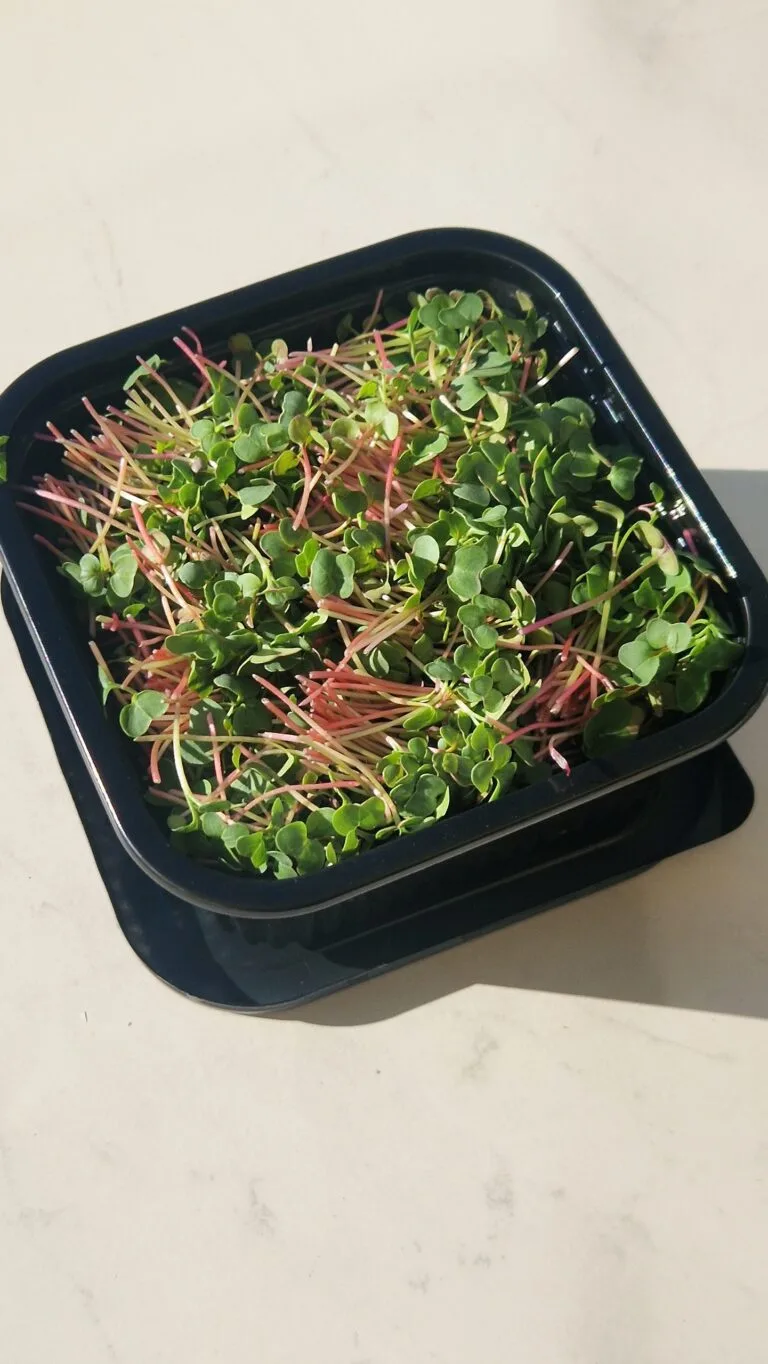
Place trays of microgreens on activity tables or sunny windows. Residents can water them, measure growth, and record observations in notebooks or sheets.
Organize sessions where microgreens are incorporated into salads, soups, smoothies, or sandwiches. Besides promoting nutrition, these activities encourage creativity and social interaction. As you know, we have numerous articles with easy recipes using microgreens.
Connect microgreens with past memories, such as seeds they grew in their youth or traditional dishes. This can spark conversations, enhance memory, and create bonds among participants.
Touch: Handling seeds, substrate, and sprouts.
Sight: Observing the different colors and shapes.
Smell: Sensing the aromas of sprouts like radish or alfalfa.
Sensory activities of this kind are widely used with people who have mild cognitive impairment or dementia. Note the caveat above, though: the larger meta-analysis of horticultural therapy specifically excluded people with dementia, so the evidence for that group is thinner than for older adults in general. Any programme in a care setting should be agreed with the residents’ own clinical team.
Create collages or artwork using dried microgreens.
Design illustrated menus or decorate dishes with sprouts, encouraging culinary creativity.
Paint or draw microgreens at different growth stages as a relaxing and expressive activity.
Create a watering and plant care calendar as a group activity that promotes responsibility and cooperation.
Organize weekly tastings where residents share their thoughts on flavors, textures, and potential recipes, encouraging social interaction.
Invite family members to open days to show the process and participate in tastings.
Introducing microgreens in nursing homes and day centers is not just a gardening activity: it is a multifaceted tool that combines nutrition, cognitive stimulation, motor skills, creativity, and emotional well being. With these small plants, therapists can put together sessions that are engaging, low-cost and easy to adapt to different abilities. Whether that improves any clinical outcome is a question the evidence above does not settle, and it should be treated as an activity worth trying rather than a treatment with proven results.
Thank you very much. We hope you enjoyed this article. See you next time!
Carlota
This article is part of the free knowledge portal of EVEC Microgreens. Wherever you are on your microgreens journey, there is a path for you:
Co-funded by the European Union.
This portal presents the microgreens methodology; the organisation behind it is EVEC Athens — the European Voluntary and Educational Center (evec.org.gr). Views and opinions expressed are those of the author(s) only and do not necessarily reflect those of the European Union or the European Commission. Neither the European Union nor the granting authority can be held responsible for them.
Open licence. Except where stated otherwise, the educational materials on this portal are licensed under CC BY 4.0 — free to use, adapt and share, including commercially, with credit. See the licence terms.
Accessibility. We aim for WCAG 2.1 AA and publish what does and does not yet meet it — see the accessibility statement. If anything here blocks you, tell us and we will send the material in a format that works for you.