Hello friends! Welcome to the third part of this article series in which we talk about microgreens that can be toxic to our health.
In this article, we go deeper into the most relevant recent findings, the toxins involved, documented cases, and the scientific reasons behind toxicity in microgreens.
Ready? Let’s begin!
The case of Borage microgreens: a popular microgreen that turned out to be more toxic than expected
Borage (Borago officinalis) is a plant known for its edible flowers and traditional use in teas, but its consumption as a microgreen has been questioned due to recent studies. Various chemical analyses have revealed that its young sprouts are packed with pyrrolizidine alkaloids, hepatotoxic compounds that can cause serious long-term liver damage.
Most alarming is that:
• Borage microgreens contain significantly higher concentrations of pyrrolizidine alkaloids than mature leaves.
• Some tested levels exceed the recommended limits set by European food safety authorities.
• Repeated consumption could increase the risk of cumulative liver damage.
What are pyrrolizidine alkaloids and how do they affect the body?
Pyrrolizidine alkaloids can:
• Cause liver lesions
• Induce fibrosis or chronic inflammation
• Lead to sinusoidal obstruction syndrome
• Be potentially carcinogenic with prolonged exposure
Even small amounts consumed regularly can pose a notable risk.
Implications for growers and consumers
Many hobby growers considered borage a unique, strong flavored microgreen. After the latest studies, numerous experts recommend avoiding its consumption until more research determines safe levels and cultivation methods that could reduce pyrrolizidine alkaloids.
Sorghum: the microgreen that can release cyanide
Surprisingly, some sorghum varieties, popular in certain countries as forage, can produce cyanogenic glycosides. Under specific conditions (cutting, water stress, mechanical damage), these compounds can release hydrogen cyanide.
Why young sorghum is especially dangerous
Sorghum sprouts contain higher concentrations of these glycosides than adult plants due to their “vulnerable” growth stage. In microgreens:
• Cells rupture easily when cut
• This releases enzymes that convert glycosides into free cyanide
• Even small amounts can be toxic
Although toxicity depends on the variety and cultivation conditions, the lack of conclusive studies has led many specialists to discourage sorghum as a microgreen.
Symptoms of cyanogenic compound poisoning
• Headache
• Dizziness
• Breathing difficulty
• Weakness
• Confusion
• In severe cases, respiratory arrest
For this reason, until clear regulations exist, it is recommended to completely avoid this species in home cultivation.
Buckwheat: photosensitivity caused by fagopyrin
Although previously discussed, recent findings deserve review: young buckwheat sprouts contain high concentrations of fagopyrin, a photosensitizing compound.
Documented cases of photosensitivity
There are reported cases in animals fed buckwheat sprouts and in humans who consumed excessive extracts or leaves. Microgreens, being younger, concentrate even more of this substance.
Symptoms include:
• Severe sunburn
• Skin rashes
• Pain and inflammation when exposed to sunlight
• Hypersensitivity to UV light
Although not typically fatal, its impact on the skin can be significant.
Why are young plants usually more toxic? Scientific explanation
The microgreen stage is a critical developmental phase. The plant does not yet have:
• Bark
• Enough lignin
• Robust protective structures
As we explained in previous articles, to survive, the plant uses an alternative strategy: producing defensive secondary metabolites.
These compounds include:
• Alkaloids (nightshades, borage)
• Cyanogenic glycosides (sorghum)
• Lectins (legumes)
• Oxalates (rhubarb)
• Photosensitizers (buckwheat)
Many of them decrease in the adult plant or move to non-edible parts, but in microgreens they concentrate exactly where we eat: young leaves and stems.
In conclusion: safety first
Recent studies and experienced growers’ reports teach us a clear lesson: not all microgreens are safe, even if the mature plant is.
Toxicity at this stage is not accidental, it is a natural defense strategy.
Therefore, the following microgreens should be strictly avoided:
• Borage
• Sorghum
• Buckwheat in large quantities
• Nightshades
• Ornamental plants
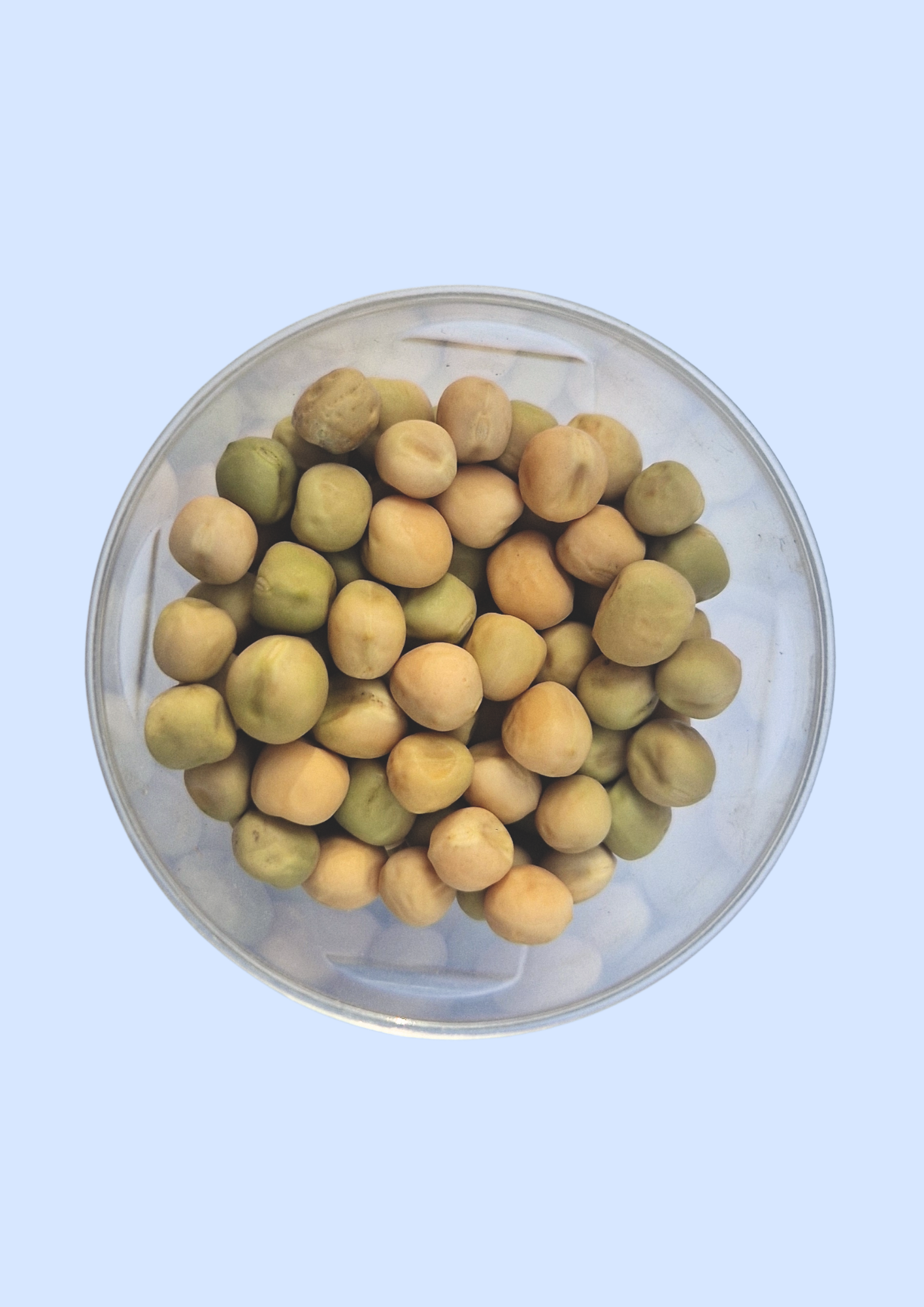
• Raw legumes
• Rhubarb
Well friends, that’s all for now. We hope this section has been very useful in reviewing the possibility that these tiny greens could be toxic.
See you next time!
Carlota
Sources
FoodSafety.com. Microbial hazards of microgreens production in indoor farming. Food Safety. https://www.food-safety.com/articles/7873-microbial-hazards-of-microgreens-production-indoor-farming
Green U. Which microgreens are not edible? Green U. https://www.greenu.in/which-microgreens-are-not-edible/
International Journal of Bio-Pharma Sciences (IJBPAS). (2024, January). IJBPAS. https://ijbpas.com/pdf/2024/January/MS_IJBPAS_2024_7687.pdf
Microgreens Grower. (2025, June 11). Toxic or trendy: The hidden danger in borage microgreens. Microgreens Grower. https://www.microgreensgrower.com/2025/06/11/toxic-or-trendy-the-hidden-danger-in-borage-microgreens/
Microgreens World. Can microgreens make you sick? Microgreens World. https://microgreensworld.com/can-microgreens-make-you-sick/
Plantura Garden. Microgreens. Plantura. https://plantura.garden/uk/green-living/indoor-gardening/microgreens
RusticWise. Can you eat microgreens raw? RusticWise. https://rusticwise.com/can-you-eat-microgreens-raw/
Science Meets Food. Microgreens. Science Meets Food. https://sciencemeetsfood.org/microgreens/
Start Microgreens. Disadvantages of microgreens. Start Microgreens. https://startmicrogreens.com/disadvantages-of-microgreens/
Wikipedia contributors. Cerbera odollam. In Wikipedia. https://es.wikipedia.org/wiki/Cerbera_odollam
Wikipedia contributors. Potato fruit. In Wikipedia. https://en.wikipedia.org/wiki/Potato_fruit Wikipedia contributors. Solanum nigrum. In Wikipedia. https://en.wikipedia.org/wiki/Solanum_nigrum