Hello friends, we’re back with the second part of the previous article, “Microgreens and Sports Performance”. In this follow up, we take a deeper look at how to use them in practice, which varieties are most beneficial depending on the type of sport, and how they can be integrated into a complete nutritional strategy.
A more practical view: from theory to the athlete’s daily diet
In the first part, we explored the general benefits of microgreens: their exceptional concentration of vitamins, antioxidants, minerals, and bioactive compounds.
In this second part, we focus on how to apply them in an athlete’s real life.
Although they are small, their nutritional value makes them a very versatile resource for improving performance, recovery, and even body composition.
Which microgreens are most useful depending on the athletic goal?
Not all microgreens offer the same benefits. Each variety contains unique combinations of vitamins, minerals, and phytonutrients.
Let’s take a look!
Ideal for sports such as running, cycling, cross training, HIIT, soccer…
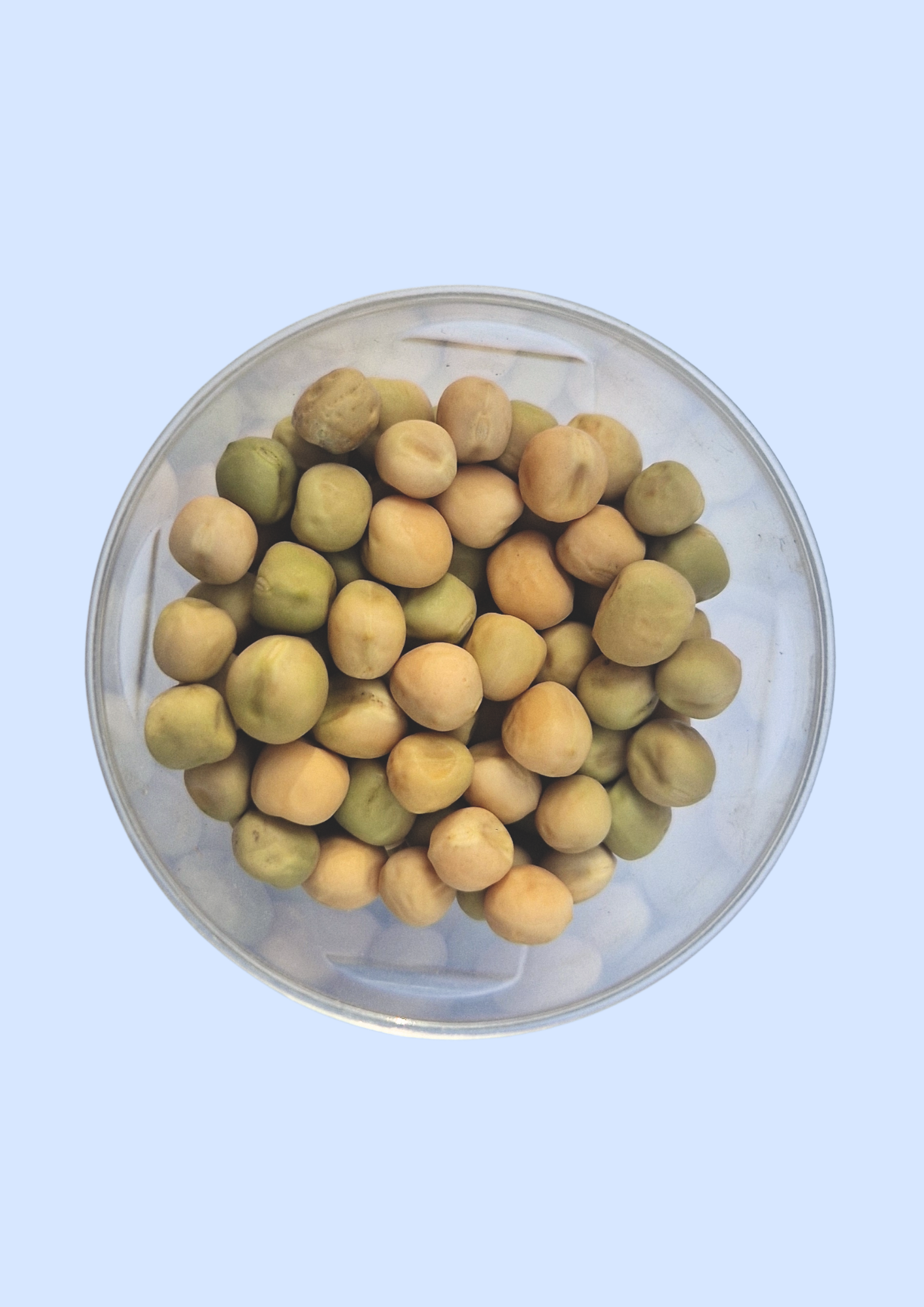
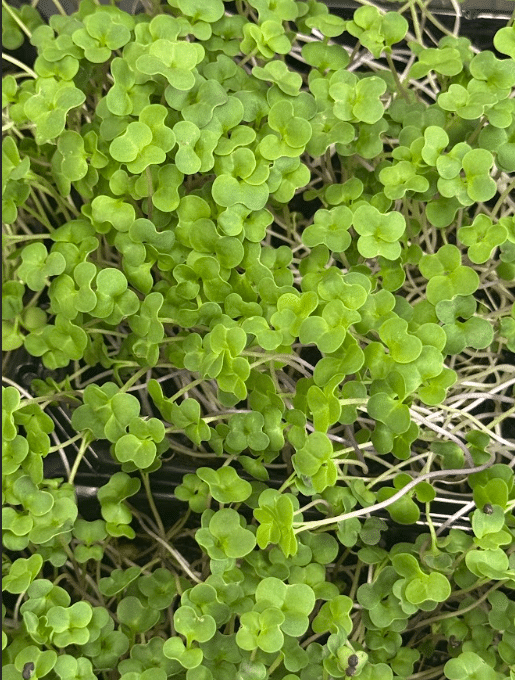
- Pea shoots – Rich in plant protein, iron, and B vitamins.
- Sunflower – High in magnesium and healthy fatty acids.
- Radish – Improves circulation and oxygenation thanks to its spicy compounds (glucosinolates).
Main benefit: enhanced energy production and muscular oxygenation.
For strength, muscle mass, and neuromuscular function
Ideal for strength training, weightlifting, calisthenics, powerlifting, combat sports.
- Broccoli – Extremely high in sulforaphane, which supports cellular repair.
- Kale – Very high in calcium, magnesium, and vitamin K.
- Cilantro – Provides essential minerals and helps reduce heavy metals.
Goal: improved muscle contraction, protein synthesis, and structural recovery.
For recovery and athlete immunity
Ideal during intense training, preseason, or heavy workload phases.
- Red cabbage – Rich source of antioxidants and vitamin C.
- Amaranth – Supports immune function and muscle regeneration.
- Basil – Natural anti inflammatory properties.
Expected result: reduced oxidative stress and post training inflammation.
How much microgreens does an athlete need?
Although there is no universal recommendation, practical guidelines can be established:
- General health: 20–30 g per day
- Endurance athletes: 40–60 g per day
- Strength or high-intensity training: 50–80 g per day
- Injury recovery: 60–90 g per day, prioritizing anti inflammatory varieties
These amounts can be spread across main meals or shakes.
Ways to include microgreens in an athlete’s diet…
Pre workout energy smoothies
Suggested combination:
- pea microgreens
- banana
- plant based milk or yogurt
- oats
- chia seeds
This blend provides sustained energy without sugar spikes.
Post workout salads
Ideal combination:
- broccoli microgreens
- quinoa or brown rice
- tofu, chicken, or legumes
- olive oil and lemon
Perfect for muscle recovery and anti inflammatory support.
In everyday meals
- toast with eggs + microgreens
- tortilla wraps
- poke-style rice bowls
- soups and cold creams
- toppings for healthy pastas or pizzas
In conclusion
Current research is exploring areas such as the use of microgreens to improve an athlete’s gut microbiota, sports supplements based on microgreen extracts, and their role as antioxidant support in extreme sports.
Microgreens are extremely easy to use, yet among the most micronutrient, dense foods available. Whether you train for strength or endurance, including them in your nutritional strategy can enhance energy, recovery, body composition, and immunity.
In short, everyone knows it, but it never hurts to repeat it, they’re a true superfood!
Carlota
Sources
Balik, S., Elgudayem, F., Yildiz Dasgan, H., Kafkas, N. E., & Gruda, N. S. (2025). Nutritional quality profiles of six microgreens. Scientific Reports, 15(1), 6213. https://pubmed.ncbi.nlm.nih.gov/39979322/
Mountain, S. Microgreens health & wellness: Targeted benefits for lifestyle. Skye Mountain. URL: https://www.skyemountain.co.uk/microgreens-health-wellness-targeted-benefits-lifestyle/
Singh, U., Lall, D., & Sagar, A. (2025). A comprehensive review on microgreens: Nutritional value, cultivation, health benefits, and future perspectives. International Journal of Advanced Biochemistry Research, 9(5), 976–980. https://www.biochemjournal.com/archives/2025/vol9issue5/PartL/9-5-133-114.pdf
Neves, A. (2023, June 23). Microgreens for athletic performance. Microgreens World. URL: https://microgreensworld.com/microgreens-for-athletic-performance
Scott, T. (2023, Jul 18). Microgreens: The nutritional powerhouse for sports performance. Enriched Being. URL: https://www.enrichedbeing.com/post/microgreens-the-nutritional-powerhouse-for-sports-performance