Get in touch
Questions about growing, workshops, the cooperative or partnerships? Send us a message and we will reply by email.
Prefer email? Write to erasmus@evec.org.gr
EVEC Microgreens
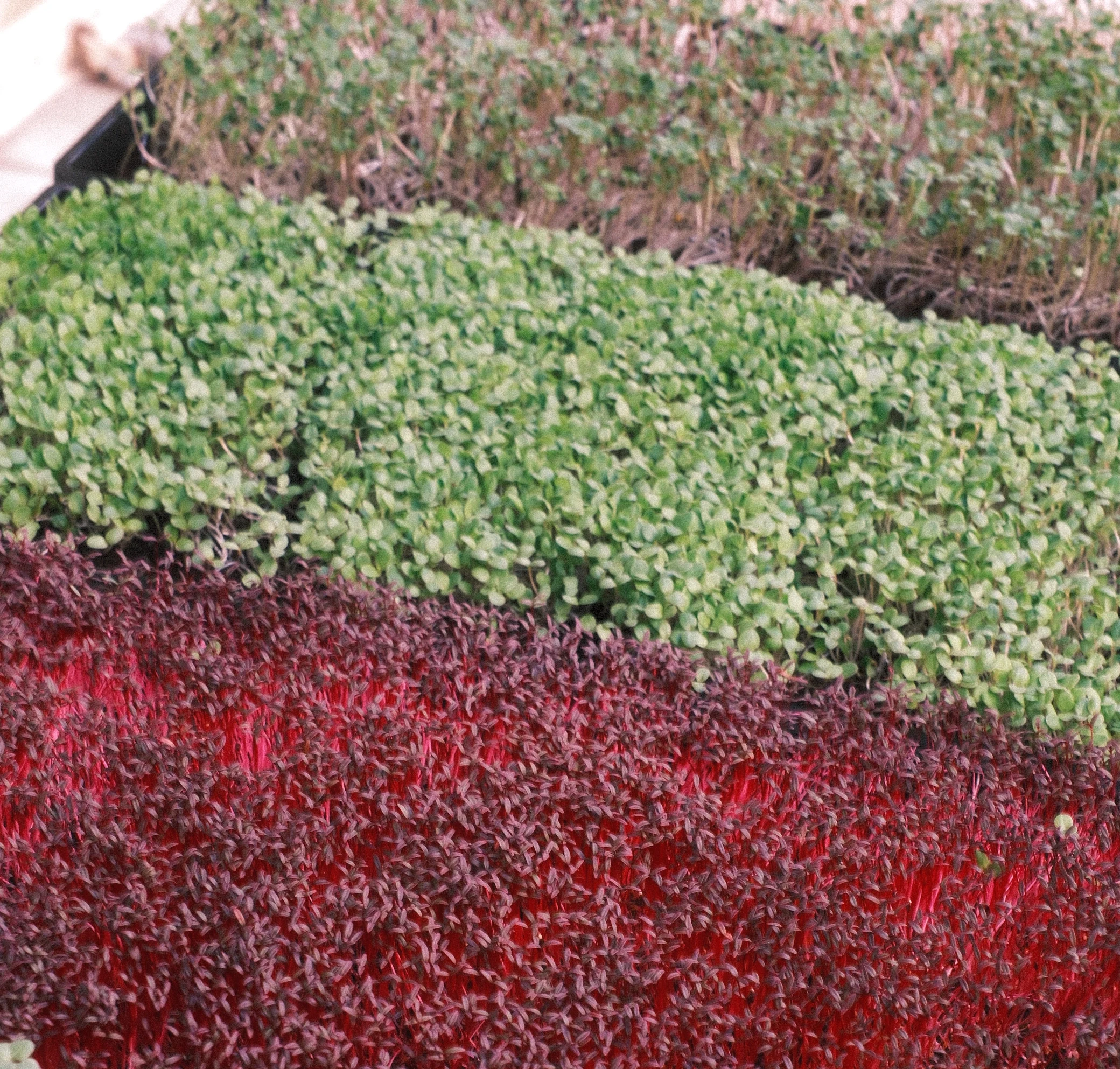
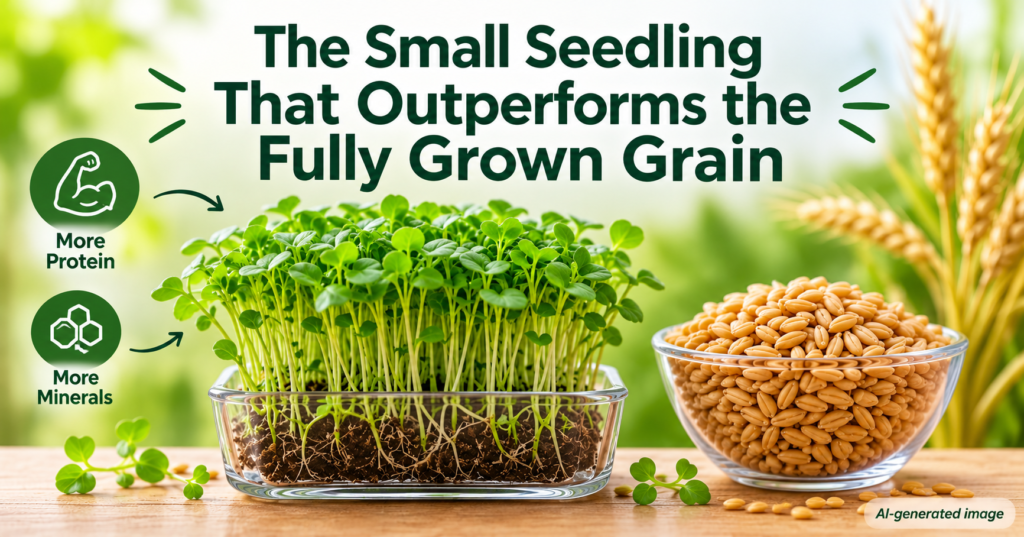
A 2025 review found up to 262% more protein in wheat microgreens than in mature wheat grain, on a dry-weight basis, but 86% less in red amaranth. An EVEC Academy volunteer explains the numbers and their two catches.
Led by Gunathilake et al., a review of various papers about “microgreens”—young vegetable and grain plants picked only days after germination—has been carried out. Here is what it found about wheat microgreens’ protein, and why the numbers need care.
Published in the Journal of Cereal Science, the study has included cereals such as wheat, oats, and rye together with the “pseudocereals” of quinoa and amaranth. One finding was that the microgreen wheat contained up to 262% more protein than the corresponding mature wheat grain after being dehydrated to ensure a fair comparison. This is more than 3.5 times the amount of protein of the mature grain. The same young plants contain approximately ten times more total minerals (ash), on a dry-weight basis, than the grain.
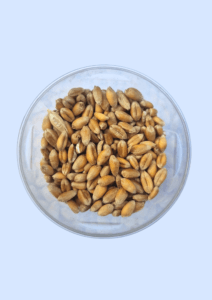
Why does a younger plant show better nutritional value than the older one? Upon germination, the seed actively forms new tissues which tend to be nutritionally superior to the starch-packed grain. In a way, this stage is when the seed is the most active.
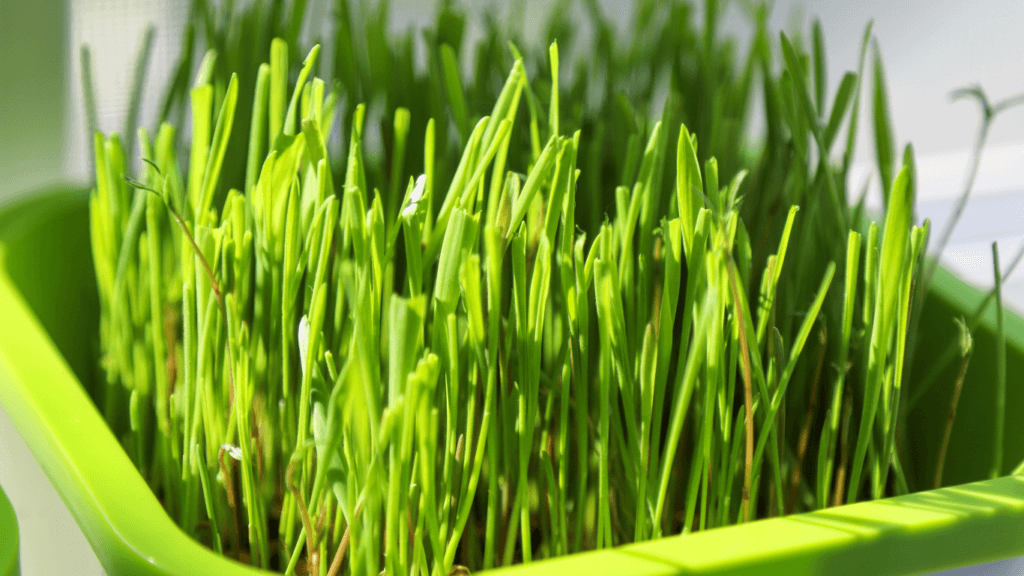
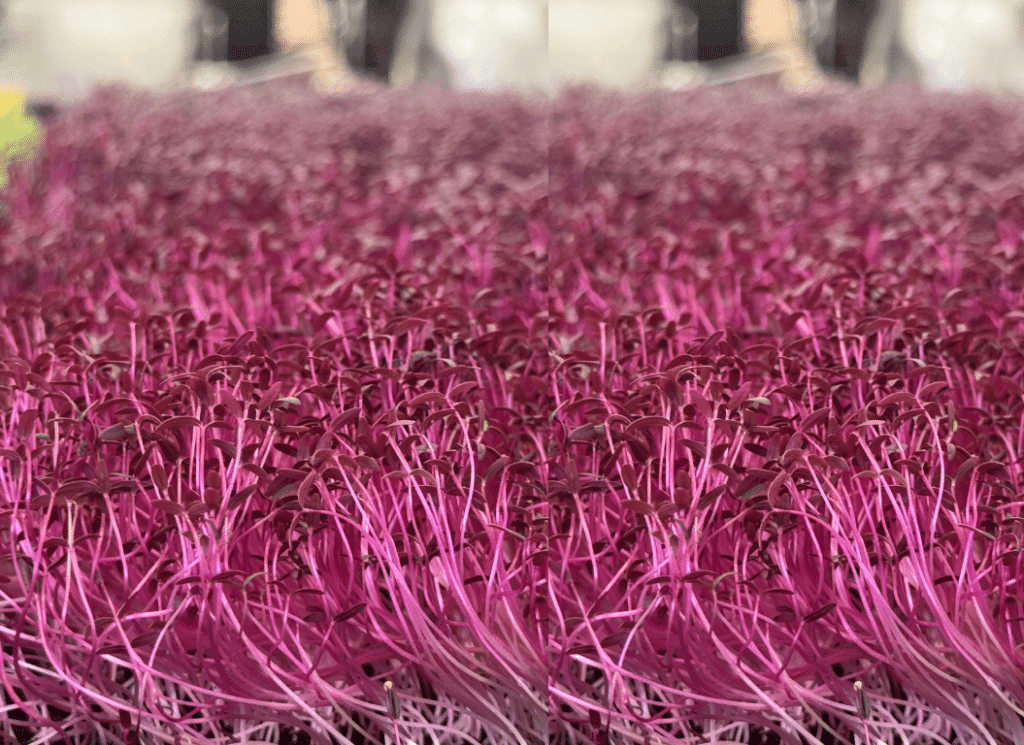
The same evaluation found the opposite effect in another plant, which shows that the results are based on science rather than marketing. Compared to mature amaranth seeds, red amaranth microgreens contained 86% less protein. Therefore, “young plant beats old plant” isn’t a natural law; rather, it depends only on the species.
Before you get too enthusiastic, there are two catches to be aware of. First, these figures compare the dry weight, or the amount of water extracted from both samples. Since fresh microgreens are primarily composed of water, the actual nutritional difference is not as great as the number “262” suggests. Second, the researchers themselves refer to the numbers as indicative rather than precise because the evaluation aggregated data from multiple independent tests rather than a single test.
Why is it important? Compared to a whole field of crops, microgreens may grow in a tray on a windowsill in less than three weeks with very little water or land. In cities where growing area is limited, cereal microgreens could become a quick and convenient way to add protein and minerals to food if they truly concentrate certain nutrients, as this review suggests. One windowsill tray at a time; however, the statistics alone are compelling enough to keep asking.
Does it follow that smaller is better? Occasionally, but not usually, and it hasn’t been shown to have an impact on your health. The ease of growing microgreens—a windowsill, a few days, and surprisingly little else—is undeniable. They’re worth a second look just for that.
Read more: Nutritional and sustainability potential of cereal microgreens.
This article is part of the free knowledge portal of EVEC Microgreens. Wherever you are on your microgreens journey, there is a path for you:
Co-funded by the European Union.
This portal presents the microgreens methodology; the organisation behind it is EVEC Athens — the European Voluntary and Educational Center (evec.org.gr). Views and opinions expressed are those of the author(s) only and do not necessarily reflect those of the European Union or the European Commission. Neither the European Union nor the granting authority can be held responsible for them.
Open licence. Except where stated otherwise, the educational materials on this portal are licensed under CC BY 4.0 — free to use, adapt and share, including commercially, with credit. See the licence terms.
Accessibility. We aim for WCAG 2.1 AA and publish what does and does not yet meet it — see the accessibility statement. If anything here blocks you, tell us and we will send the material in a format that works for you.