Get in touch
Questions about growing, workshops, the cooperative or partnerships? Send us a message and we will reply by email.
Prefer email? Write to erasmus@evec.org.gr
EVEC Microgreens

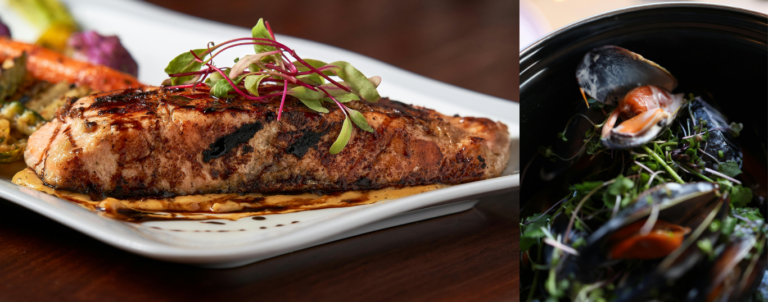
Seven dishes: shiso salad from Japan, basil bruschetta, dosa with mustard microgreens, cilantro tacos, arugula omelette, Thai noodle salad and Greek salad with beet.
No human poisoning case has been reported from borage, sorghum or buckwheat eaten as microgreens. What the recent studies did measure — pyrrolizidine alkaloids, dhurrin and fagopyrin — and where the evidence stops.
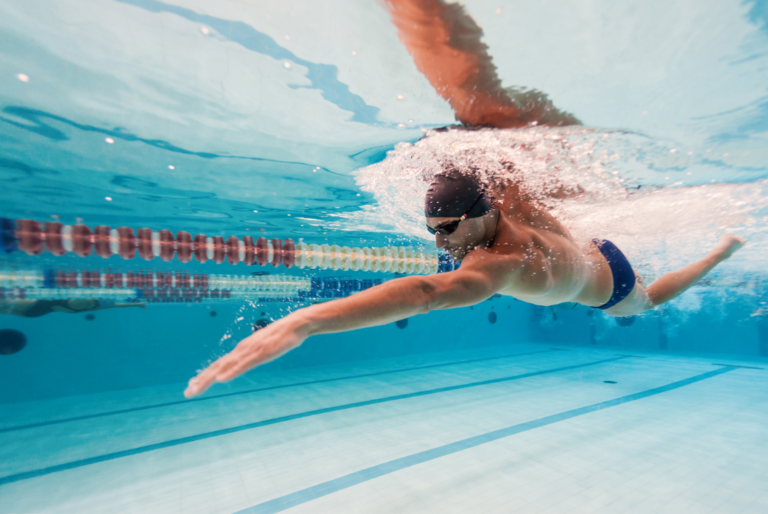
What microgreens actually contribute to an athlete's diet, and why the sports-performance case rests on nutrient composition rather than on any trial in athletes.

Solanaceae, lectins and alkaloids explained: the natural compounds that make some microgreens toxic, and which plants you should never grow or eat as microgreens.
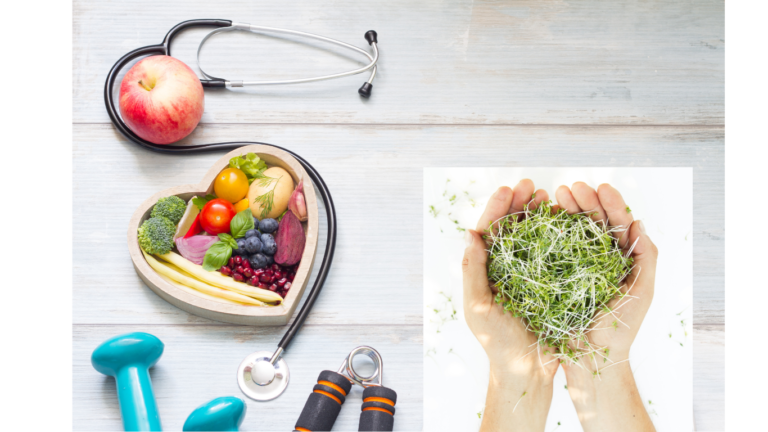
What the antioxidant research on microgreens actually measures — compounds in the plant and laboratory assays — and why that is not the same as a demonstrated health benefit.
Co-funded by the European Union.
This portal presents the microgreens methodology; the organisation behind it is EVEC Athens — the European Voluntary and Educational Center (evec.org.gr). Views and opinions expressed are those of the author(s) only and do not necessarily reflect those of the European Union or the European Commission. Neither the European Union nor the granting authority can be held responsible for them.
Open licence. Except where stated otherwise, the educational materials on this portal are licensed under CC BY 4.0 — free to use, adapt and share, including commercially, with credit. See the licence terms.
Accessibility. We aim for WCAG 2.1 AA and publish what does and does not yet meet it — see the accessibility statement. If anything here blocks you, tell us and we will send the material in a format that works for you.