Get in touch
Questions about growing, workshops, the cooperative or partnerships? Send us a message and we will reply by email.
Prefer email? Write to erasmus@evec.org.gr
EVEC Microgreens
Microgreens and the planet — urban agriculture, sustainable packaging, low-footprint food production and how tiny greens support a greener future.
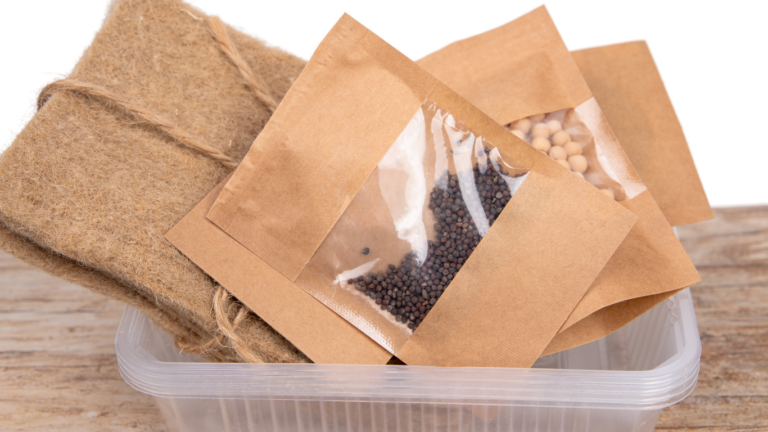
Alternatives to PET and PVC trays: PLA, pressed cellulose, cardboard with bioplastic windows and tray return schemes, and the cost premium of up to 40%.

Are microgreens actually sustainable? Their water use, food miles, packaging and land footprint compared with conventional vegetables — the honest picture.

Vertical farming for microgreens: IoT-run stacked systems, urban grower businesses, electricity that can exceed 300 kWh per square meter a year, and circular fixes.
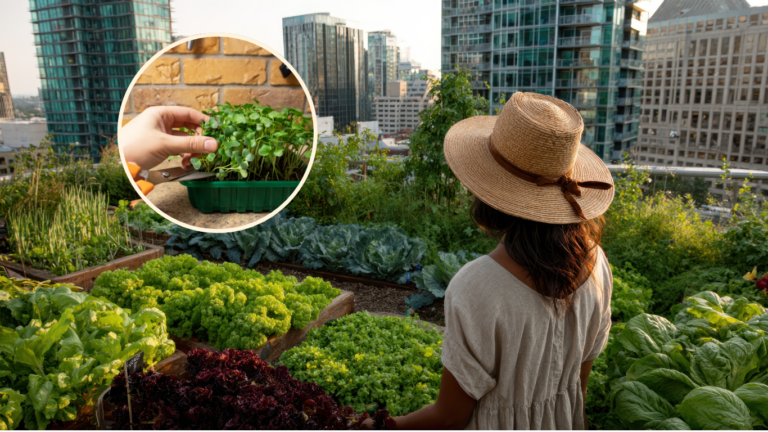
Microgreens as an entry point to urban agriculture: rooftop and balcony gardens, community projects in Madrid and Buenos Aires, schools and nursing homes.
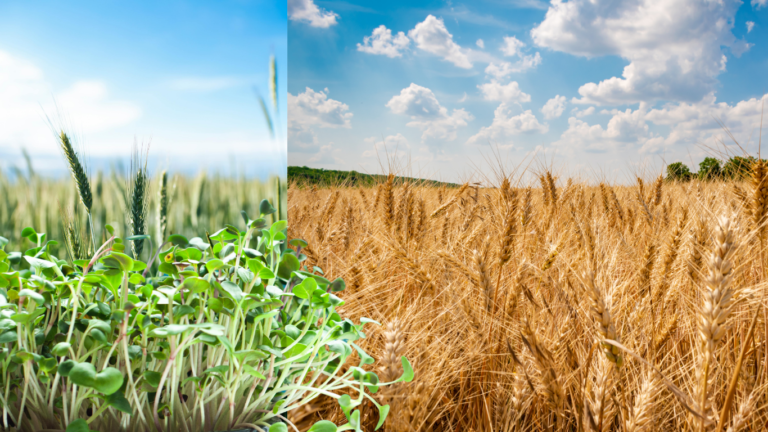
Wheat microgreens show 262% more protein than mature grain on a dry-weight basis, while red amaranth shows 86% less. What the evidence does and does not support.
Co-funded by the European Union.
This portal presents the microgreens methodology; the organisation behind it is EVEC Athens — the European Voluntary and Educational Center (evec.org.gr). Views and opinions expressed are those of the author(s) only and do not necessarily reflect those of the European Union or the European Commission. Neither the European Union nor the granting authority can be held responsible for them.
Open licence. Except where stated otherwise, the educational materials on this portal are licensed under CC BY 4.0 — free to use, adapt and share, including commercially, with credit. See the licence terms.
Accessibility. We aim for WCAG 2.1 AA and publish what does and does not yet meet it — see the accessibility statement. If anything here blocks you, tell us and we will send the material in a format that works for you.
