Get in touch
Questions about growing, workshops, the cooperative or partnerships? Send us a message and we will reply by email.
Prefer email? Write to erasmus@evec.org.gr
EVEC Microgreens
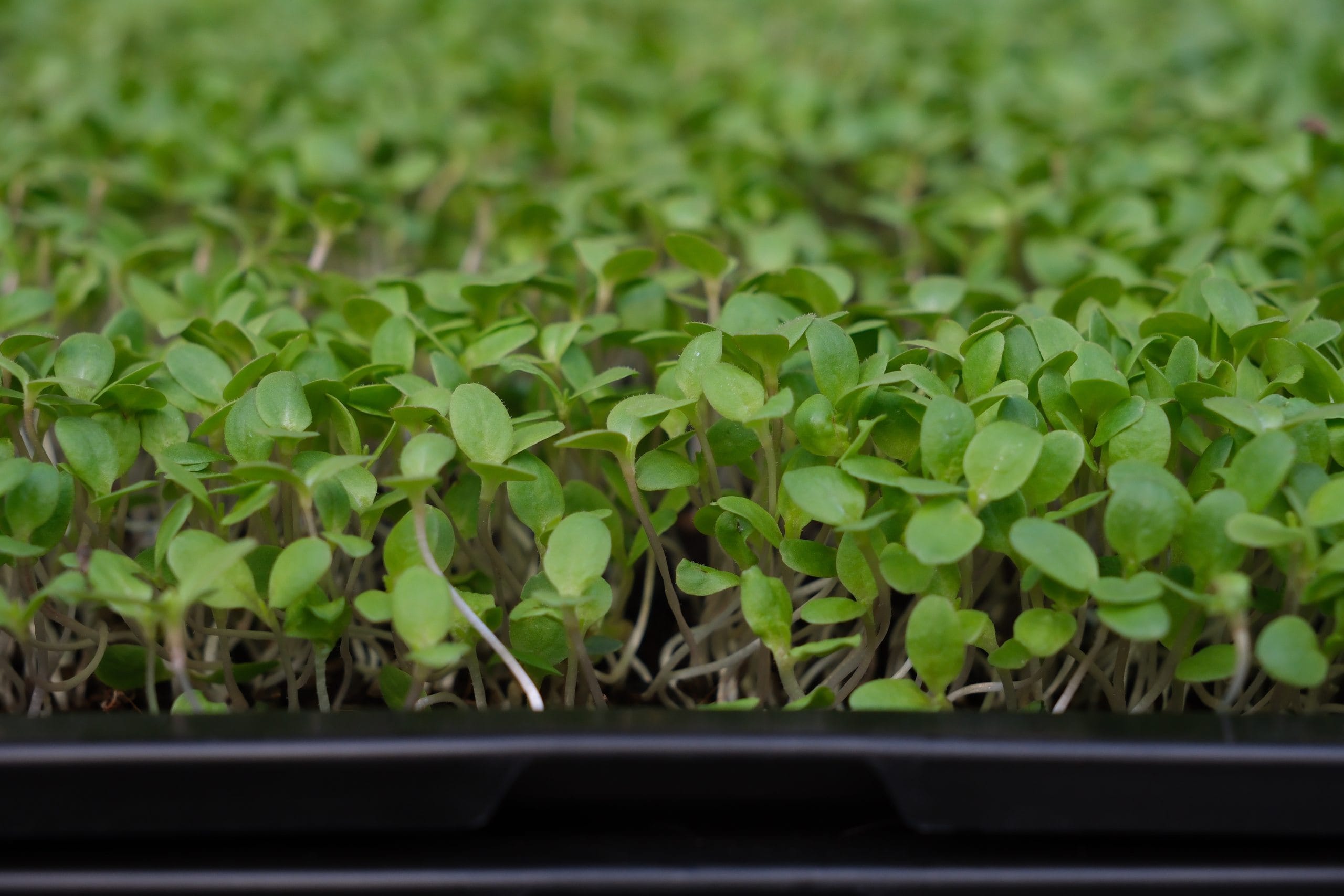
Chia microgreens are drawing the attention of nutritionists — often more so than chia seeds. Their nutritional properties, benefits and how to grow them at home.
If we dive into social media platforms like TikTok or Instagram in search of healthy breakfast ideas from influencers, it’s very likely that we’ll find a common ingredient in most of them: chia seeds. This food has become a trend thanks to its nutritional properties. However, a nutrition specialist has shifted the focus to something she claims is even better than chia seeds, with a much higher nutritional density: chia microgreens.
Nutritionist Rashi Chowdhary (@rashichowdhary) states that these sprouts can contain up to 17 times more nutrients than regular seeds. In a video shared on Instagram, she explains that during the germination process, microgreens multiply their vitamin C content and transform minerals such as iron, zinc, and calcium into forms that are easier for the body to absorb.
She also points out that chia microgreens can provide twice as much magnesium as mature seeds, ten times more antioxidants (even more than blueberries), three times more iron, and higher amounts of vitamin C and calcium compared to the original seeds. It is worth being clear that these specific figures come from the nutritionist and a news report of her Instagram video; we have not found published laboratory composition data for chia microgreens that confirms them, so they are best read as her claims rather than established facts.
These values stand in contrast with the already well-known benefits of chia seeds: they are a source of fiber, omega 3 fatty acids, antioxidants, and minerals such as calcium and magnesium, recognized for supporting digestion, cardiovascular health, and stable blood sugar levels.
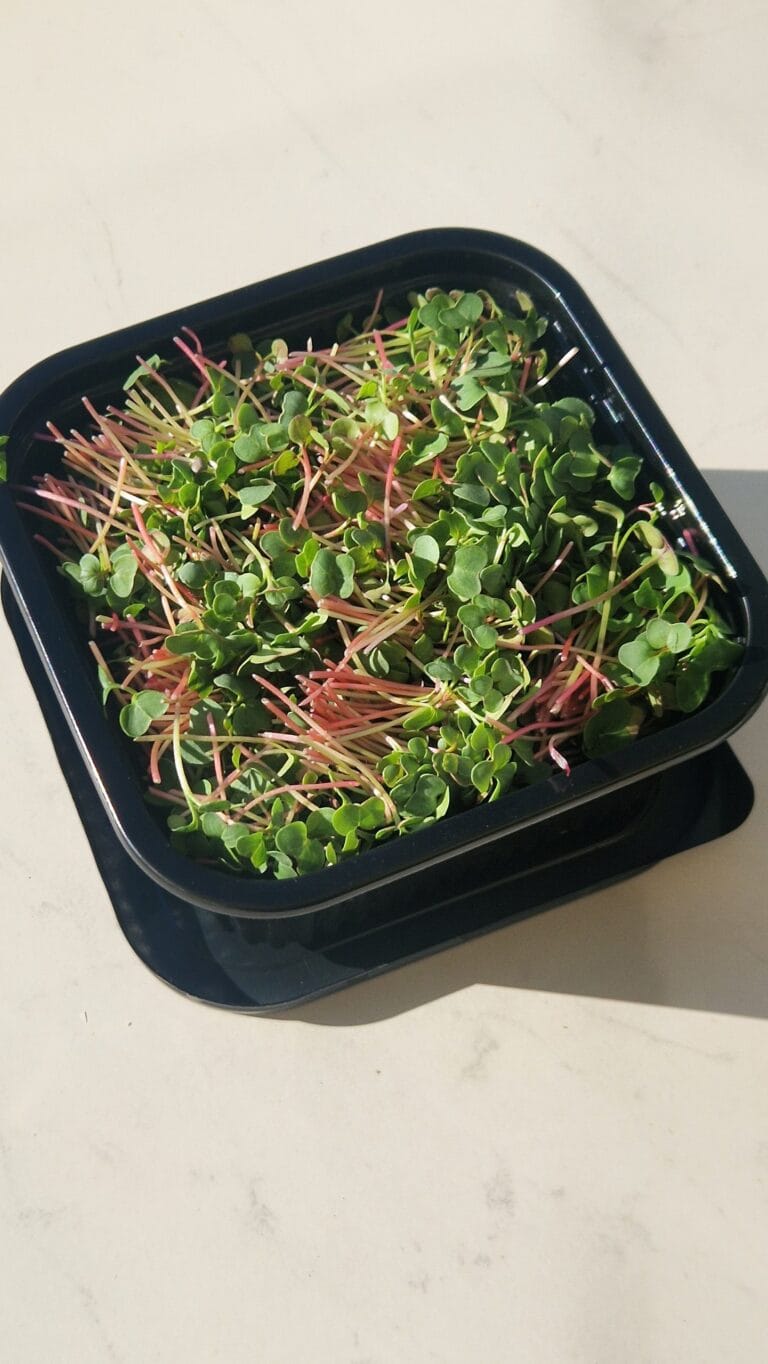
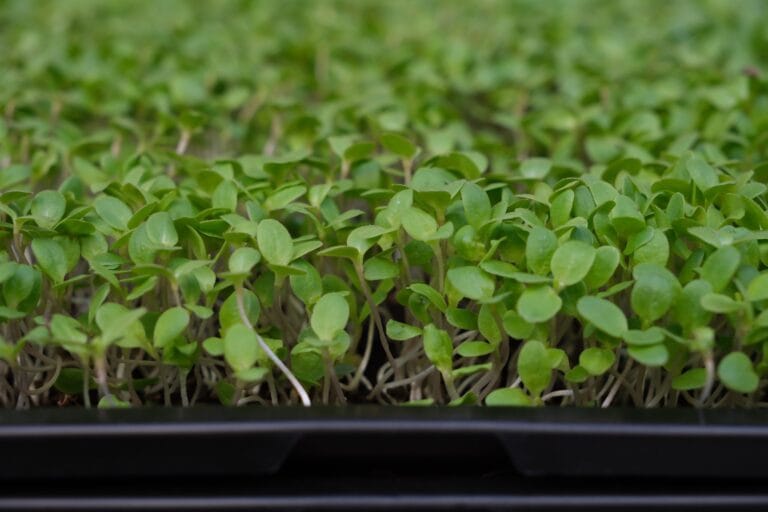
Another advantage, as you may know, is how easy it is to grow microgreens. No sophisticated equipment is required: just a small pot, soil, chia seeds, and water. In only 5 to 10 days, the sprouts will be ready to harvest once they reach about one inch in height.
Once harvested, it’s time to add them to our meals: they go perfectly in salads, desserts, smoothies… Here are some articles with recipe ideas on how to use them.
We’re also sharing a specialized recipe featuring this variety of microgreen, which we think you’ll love for breakfast.
Ingredients: oats, milk, honey, peanut butter, 1 banana, and of course, chia microgreens.
Process: Heat the oats in a saucepan with milk and a spoonful of honey. Once warm, let it rest for a bit, then add a small spoon of peanut butter, sliced banana, and chia microgreens.
Delicious and nutritious, perfect for starting the day full of energy!
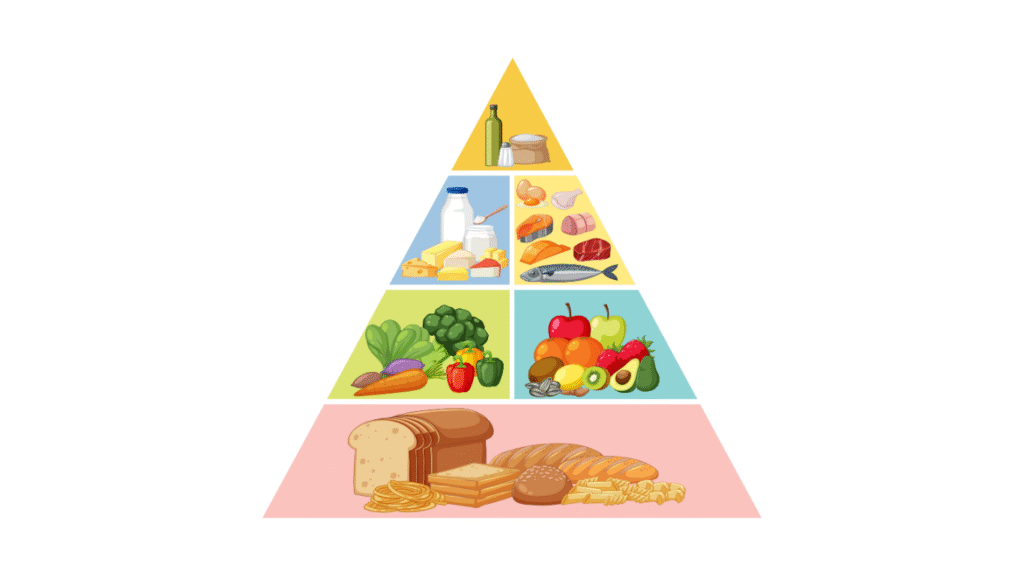
It’s worth noting that this professional emphasizes that chia microgreens should never be considered a complete replacement for other established superfoods. Rather, they serve as a complement within a balanced diet. We always recommend following a varied and well-balanced diet, with the Mediterranean diet being a great example.
That’s all from us, friends. We hope you enjoyed this article and learned a little more about chia microgreens.
See you next time!
Carlota
Source
NDTV Health Desk. (2025, September 14). Chia microgreens: Nutritionist unveils amazing health benefits of this superfood. NDTV. https://www.ndtv.com/health/nutritionist-discloses-the-simplest-and-easiest-superfood-with-17-times-more-nutrients-than-chia-seeds-9273879
Studies from our Science Library that concern chia microgreens, in plain language with links to the original research. This list updates automatically as new studies are added.
No studies specific to this crop yet — browse the full Science Library.
Recipes and kitchen ideas from our cookbook team that use chia microgreens.
No recipes for this crop yet — the cookbook has plenty to start with.
Growing a different crop next? Every variety has a guide like this one in the Varieties database.
This article is part of the free knowledge portal of EVEC Microgreens. Wherever you are on your microgreens journey, there is a path for you:
Co-funded by the European Union.
This portal presents the microgreens methodology; the organisation behind it is EVEC Athens — the European Voluntary and Educational Center (evec.org.gr). Views and opinions expressed are those of the author(s) only and do not necessarily reflect those of the European Union or the European Commission. Neither the European Union nor the granting authority can be held responsible for them.