Get in touch
Questions about growing, workshops, the cooperative or partnerships? Send us a message and we will reply by email.
Prefer email? Write to erasmus@evec.org.gr
EVEC Microgreens

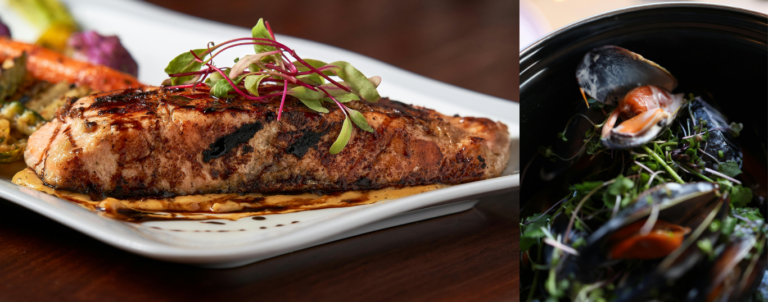
Following our previous article, where we talked about the different flavors of microgreens and how they can adapt or completely transform a…
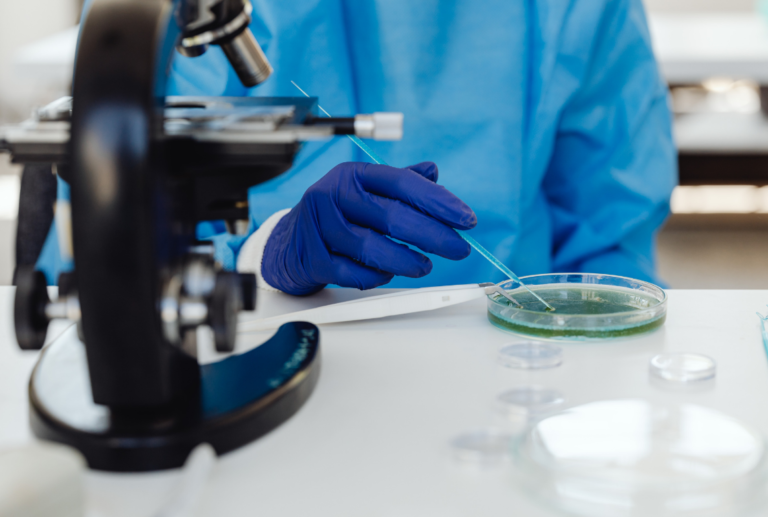
Hello friends! Welcome to the third part of this article series in which we talk about microgreens that can be toxic to…


Solanaceae, lectins and alkaloids explained: the natural compounds that make some microgreens toxic, and which plants you should never grow or eat as microgreens.

The anti-inflammatory, antioxidant and preventive potential of microgreens — what the research supports about their health benefits, and where the evidence stops.
Co-funded by the European Union.
This portal presents the microgreens methodology; the organisation behind it is EVEC Athens — the European Voluntary and Educational Center (evec.org.gr). Views and opinions expressed are those of the author(s) only and do not necessarily reflect those of the European Union or the European Commission. Neither the European Union nor the granting authority can be held responsible for them.
