Get in touch
Questions about growing, workshops, the cooperative or partnerships? Send us a message and we will reply by email.
Prefer email? Write to erasmus@evec.org.gr

EVEC Microgreens
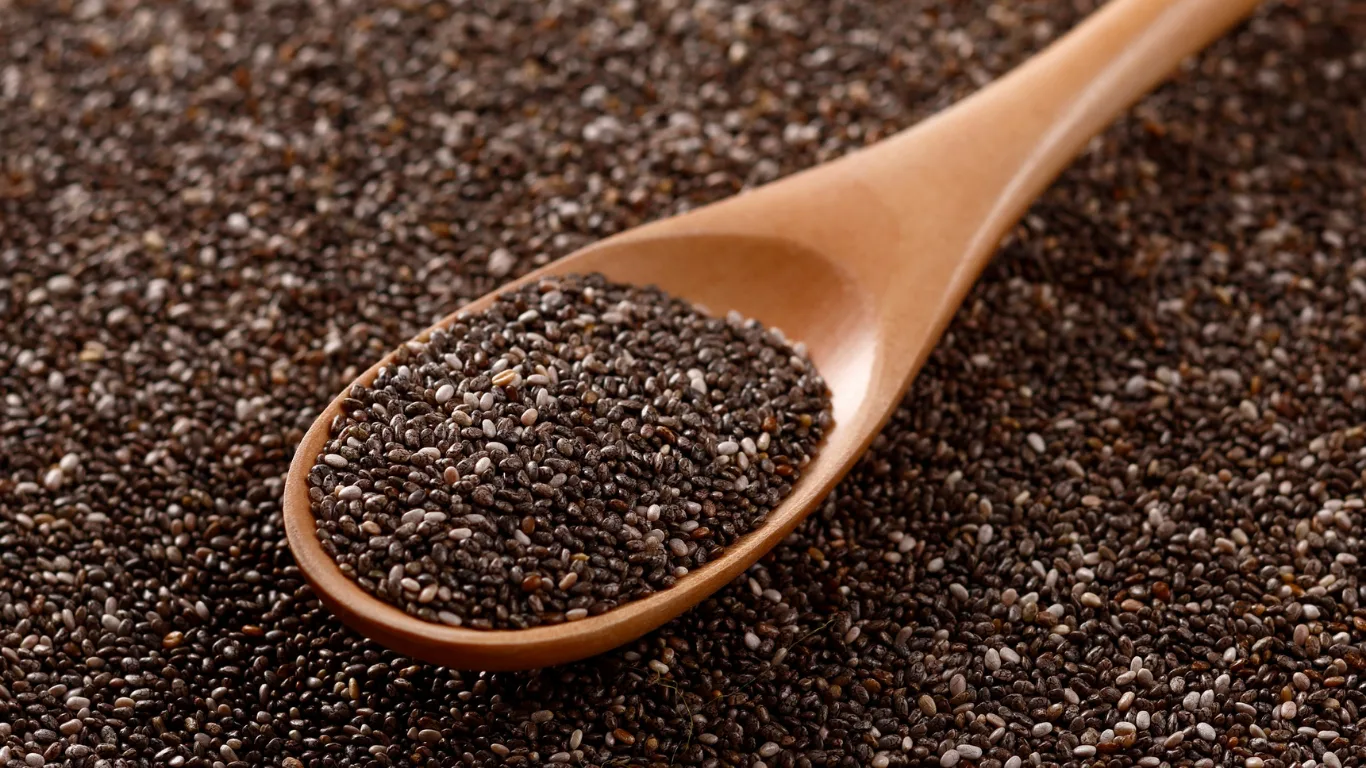
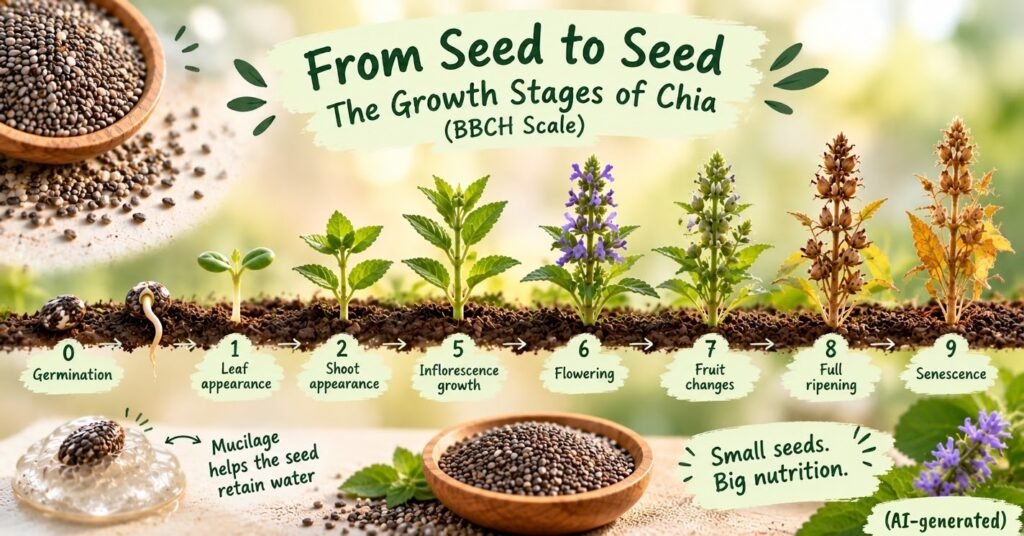
Chia goes through eight principal growth stages on the BBCH scale, from germination, when the dry seed swells and forms mucilage, to senescence. An EVEC Academy volunteer walks through each stage.
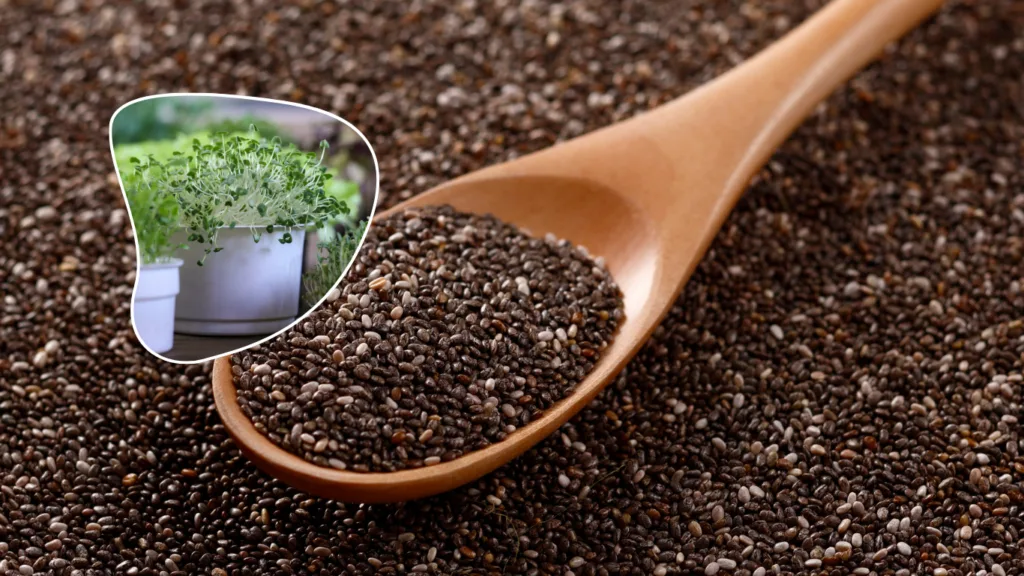
Chia seeds, scientifically known as Salvia hispanica L., are well known for their nutritional value and health benefits. They are native to areas of southern Mexico and northern Guatemala, and they belong to the mint family. In recent years, chia seeds have become widely known for their nutritional value. Chia can also be grown as a microgreen and harvested during its early growth stage, and describing the stages helps us explain how chia develops from germination into a young edible plant.
Studies have divided the growth stages of chia seeds into eight principal stages. According to Pérez Brandán et al. (2019), these stages range from germination to the final stage, which is senescence, using the BBCH scale. The growth stages of chia seeds begin with stage zero, which is germination. Chia is a dry seed, and when it receives water, it swells and forms mucilage around it. Mucilage is a gel-like, slimy substance found in the outer layer of the seed. This layer helps the seed retain water and keeps the environment around the seed moist during the beginning of germination (Muñoz et al., 2012).
After this, the internal processes necessary for germination begin, and the root appears. Then, the seedling begins to emerge and grow.
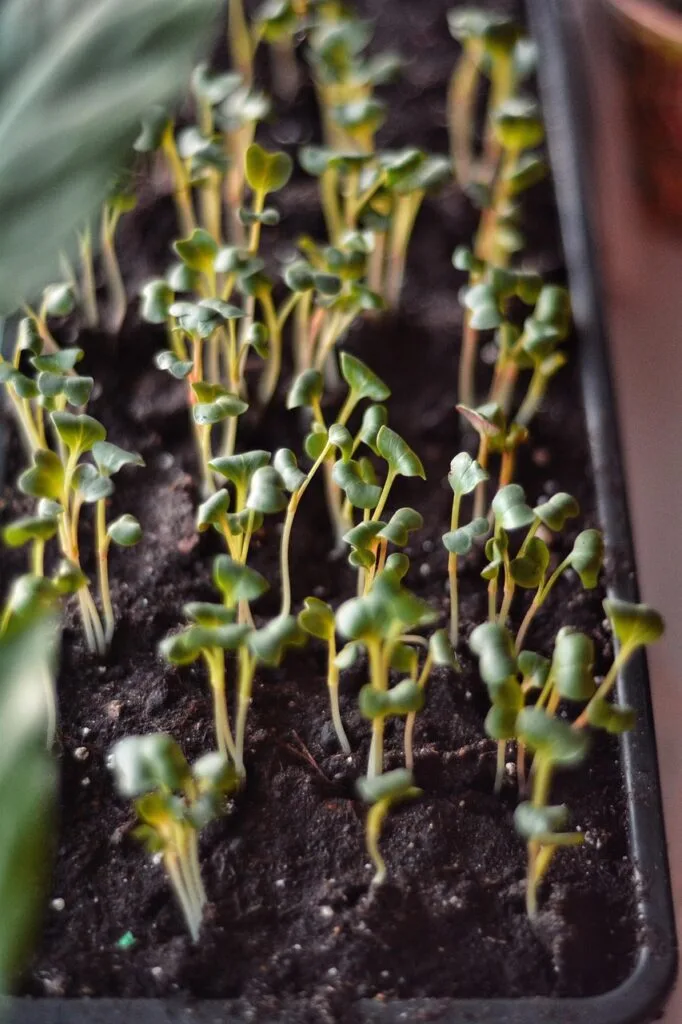
After that comes the first stage, which is leaf appearance. After germination, the seedling grows above the soil surface, and the first leaves appear. The plant gradually begins the process of photosynthesis and becomes more capable of producing the energy needed for the next stage.
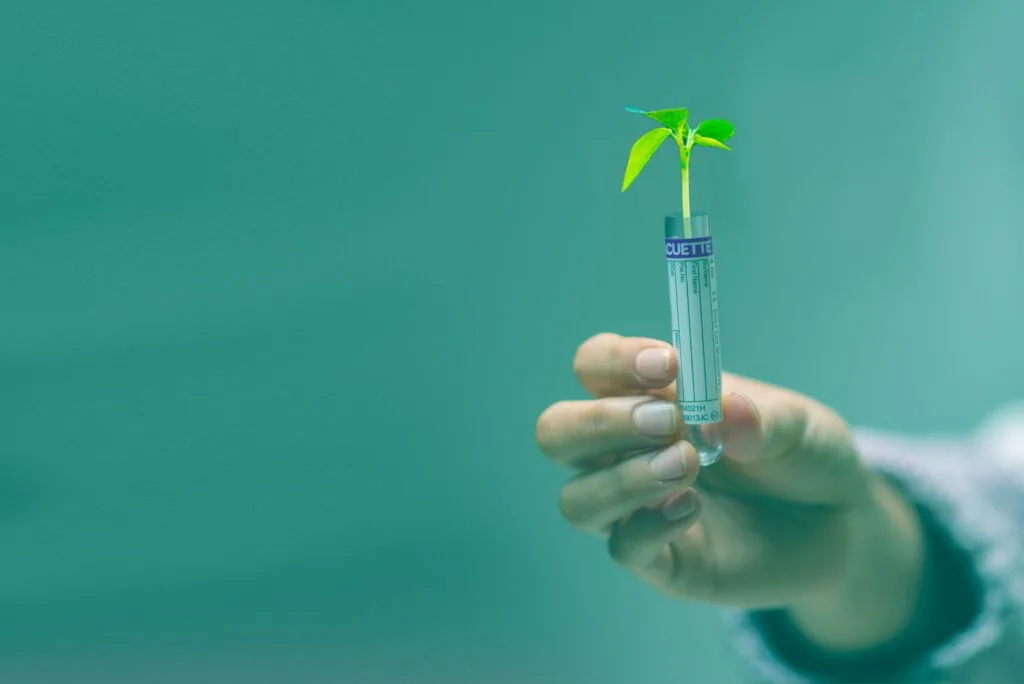
The second stage is shoot appearance. Shoots begin to appear on the plant after the formation of the leaves. This stage prepares the plant to move into the later stages, particularly the formation of floral structures.
The fifth stage is inflorescence growth. During this stage, the floral structures continue to grow and develop, and flower buds form. This stage represents the development of the plant’s inflorescences before flowering begins.
Stage 6: Flowering. During this stage, the flowers begin to open, and the plant enters the flowering phase. Flower development supports the reproductive process and contributes to the later formation of seeds.
The seventh stage is fruit changes. The fruits gradually change as they grow, and the seeds inside them begin to form and develop. Nutrients and different compounds continue to accumulate inside the seeds.
In the eighth stage, full ripening, the fruits and seeds reach an advanced stage of maturity.
The seeds begin to acquire the characteristics of mature seeds, and their water content gradually decreases as they approach a drier state. The seeds become more ready for harvesting and for continuing as seeds for the next growing season.
The ninth stage is senescence, the final stage of the plant’s growth cycle. During this stage, the plant gradually loses its vitality, and its leaves may turn yellow and dry. Its physiological activities also decrease.
In addition, for the plant to continue growing, it needs water, light, and air, especially carbon dioxide, as well as salts, nutrients, and a suitable temperature. Chia seeds also contain a range of important nutrients, such as omega-3 fatty acids, protein, dietary fiber, carbohydrates, and antioxidant compounds (Ullah et al., 2016).
By learning about the growth and development of chia plants, you can understand the different stages the plant goes through, from germination to maturity and senescence. You can also learn about the mucilage that forms around chia seeds when they absorb water, as well as the nutritional value of chia seeds.
By studying these stages, you can better understand how plants develop over time. You can learn how a seed begins to germinate, how the first leaves appear, and how the plant continues to develop flowers, fruits, and mature seeds. You can also understand how mucilage helps chia seeds retain water during the early stages of germination. Overall, this knowledge helps you appreciate both the organized process of plant growth and the nutritional value of chia seeds.
Read more: Chia microgreens: where the viral “17 times more nutrients” claim comes from
This article is part of the free knowledge portal of EVEC Microgreens. Wherever you are on your microgreens journey, there is a path for you:
Co-funded by the European Union.
This portal presents the microgreens methodology; the organisation behind it is EVEC Athens — the European Voluntary and Educational Center (evec.org.gr). Views and opinions expressed are those of the author(s) only and do not necessarily reflect those of the European Union or the European Commission. Neither the European Union nor the granting authority can be held responsible for them.
Open licence. Except where stated otherwise, the educational materials on this portal are licensed under CC BY 4.0 — free to use, adapt and share, including commercially, with credit. See the licence terms.
Accessibility. We aim for WCAG 2.1 AA and publish what does and does not yet meet it — see the accessibility statement. If anything here blocks you, tell us and we will send the material in a format that works for you.