Get in touch
Questions about growing, workshops, the cooperative or partnerships? Send us a message and we will reply by email.
Prefer email? Write to erasmus@evec.org.gr
EVEC Microgreens
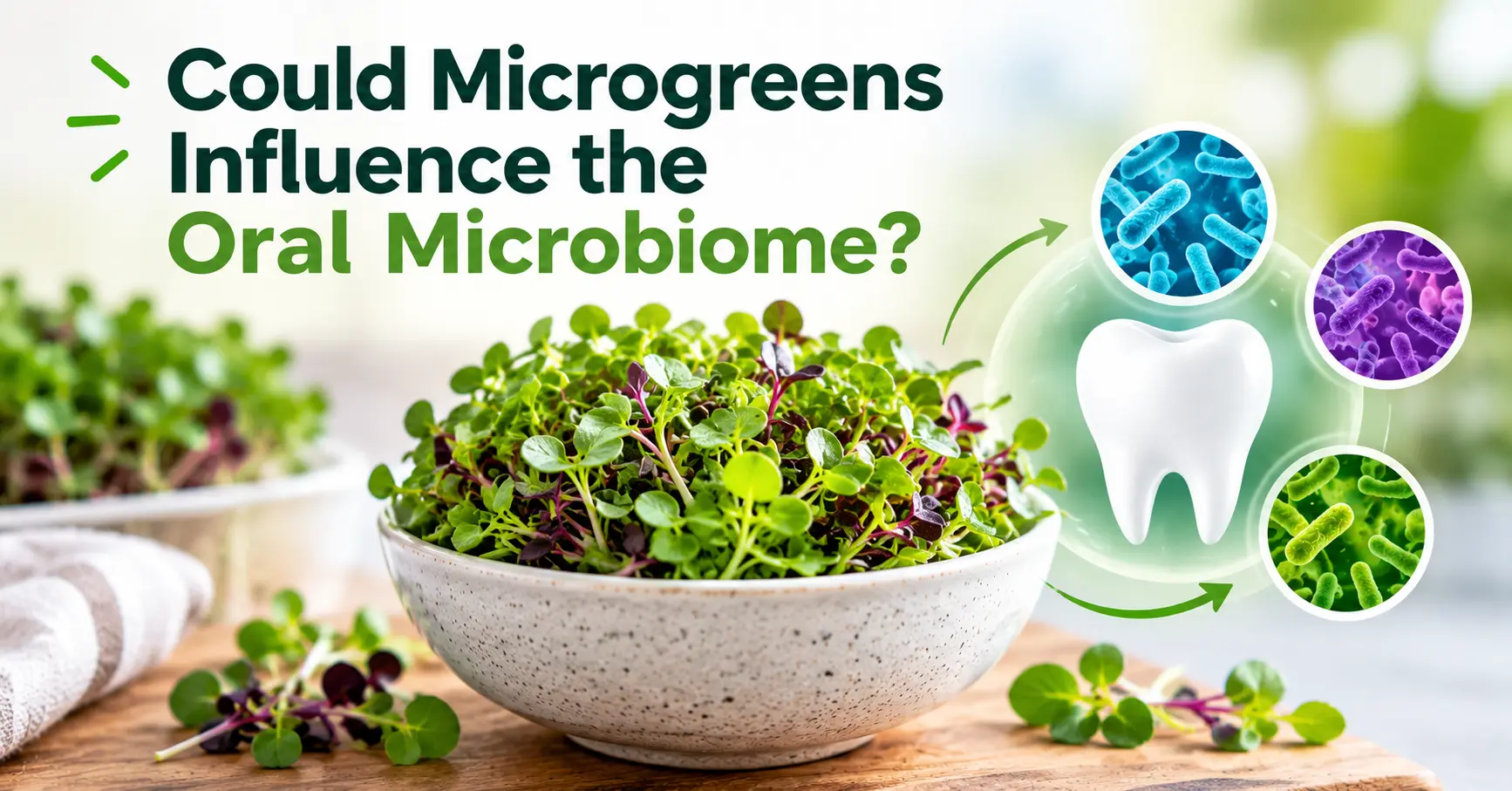
The oral microbiome is a normal part of the body, and diet helps shape the environment it lives in. Whether microgreens can directly promote beneficial oral bacteria is still an open research question.
Our mouth is home to a whole ecosystem of microorganisms — and many of them belong there. So what keeps this microscopic world in balance?
Starting with the question about the definition of the oral microbiome. It is the community of bacteria, fungi and other microorganisms that naturally live in different areas of our mouth. Most of them live together without causing disease. In fact, the oral microbiome is a normal part of the human body. However, changes in their environment can disturb this balance, allowing certain microorganisms to become more dominant or active. This shift, known as dysbiosis, is associated with oral diseases such as dental caries and periodontitis (Kilian et al., 2016).
And can what we eat influence this environment? Diet is one of several factors that can shape the environment in which oral microorganisms live. What we eat can influence factors such as nutrient availability and oral pH, creating different conditions for microbial communities.
Frequent intake of fermentable carbohydrates, for example, can favour repeated acid production by certain bacteria (Takahashi & Nyvad, 2011). This demonstrates why the relationship between diet and the oral microbiome is more complex than simply dividing bacteria into “good” and “bad”.
Possibly, as research suggests that diets rich in plants may support a more balanced oral microbial environment and influence certain commensal microorganisms (García et al., 2025; Rosier et al., 2022).
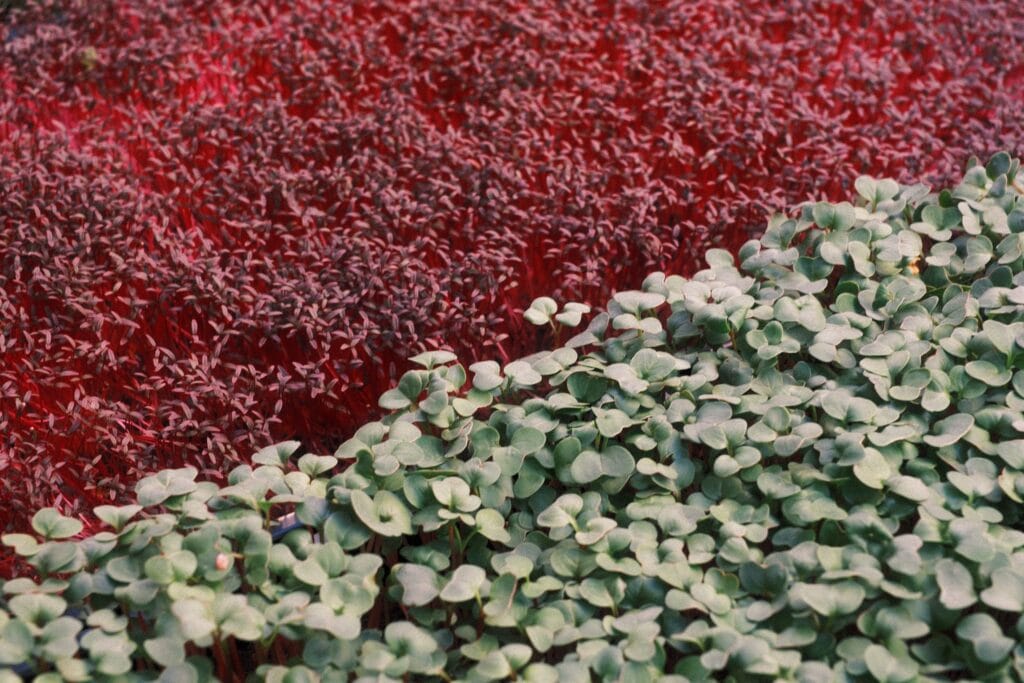
Microgreens are of particular interest because they contain fibres and a range of plant bioactive compounds, such as polyphenols and, in the case of Brassica microgreens, glucosinolates (Gunjal et al., 2024; Alloggia et al., 2023).
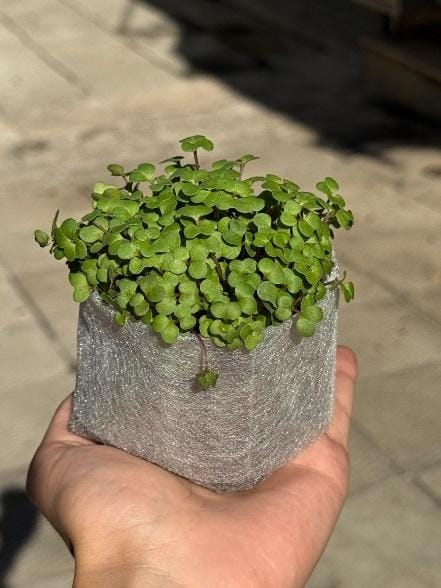
However, we still lack direct evidence that eating microgreens specifically increases “good” bacteria in the human mouth. This is an important distinction because the presence of interesting nutrients and bioactive compounds does not automatically mean that a food has a proven effect on the human oral microbiome.
To summarise, what we eat can help to shape the environment in which our oral microorganisms live. Microgreens may be part of a plant-rich dietary pattern that supports a more favourable oral environment, but whether they can directly promote beneficial oral bacteria remains an exciting question for future research.
Part 4 of 4 in a series on food and oral health by the same EVEC Academy volunteer:
https://microgreens.org.gr/science-library/papers
This article is part of the free knowledge portal of EVEC Microgreens. Wherever you are on your microgreens journey, there is a path for you:
Co-funded by the European Union.
This portal presents the microgreens methodology; the organisation behind it is EVEC Athens — the European Voluntary and Educational Center (evec.org.gr). Views and opinions expressed are those of the author(s) only and do not necessarily reflect those of the European Union or the European Commission. Neither the European Union nor the granting authority can be held responsible for them.
Open licence. Except where stated otherwise, the educational materials on this portal are licensed under CC BY 4.0 — free to use, adapt and share, including commercially, with credit. See the licence terms.
Accessibility. We aim for WCAG 2.1 AA and publish what does and does not yet meet it — see the accessibility statement. If anything here blocks you, tell us and we will send the material in a format that works for you.