Get in touch
Questions about growing, workshops, the cooperative or partnerships? Send us a message and we will reply by email.
Prefer email? Write to erasmus@evec.org.gr
EVEC Microgreens
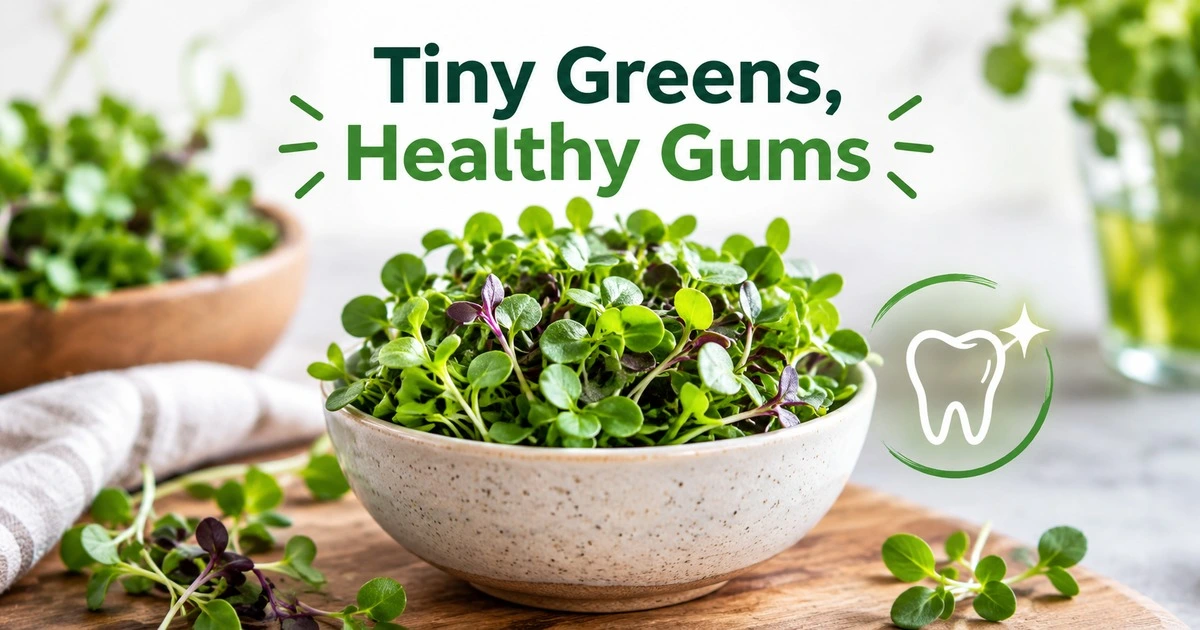
Diet cannot replace brushing, interdental cleaning or dental care, but it can influence periodontal health. Where microgreens fit in, and why eating them does not prevent or treat gum disease.
It is very important to understand why gums become inflamed. The accumulation of dental plaque containing pathogenic microorganisms triggers a host immune-inflammatory response, which is the primary cause of gingival inflammation (Kinane et al., 2017; Murakami et al., 2018). This response may lead to gingivitis and, in susceptible individuals, may contribute to the development of periodontitis.
Good plaque control therefore remains fundamental to periodontal health. Diet cannot replace brushing, interdental cleaning or professional dental care.
Yes, although we need to be careful about what this means. Diet is not the primary cause of gum disease, but diet quality can influence inflammatory and oxidative processes related to periodontal health (Chapple et al., 2017; Dommisch et al., 2018).
A nutritious diet provides nutrients needed for normal tissue maintenance and immune function. This has led researchers to investigate whether particular dietary patterns and plant-derived compounds could have a supportive role in periodontal health (Woelber et al., 2016; Dias et al., 2013).
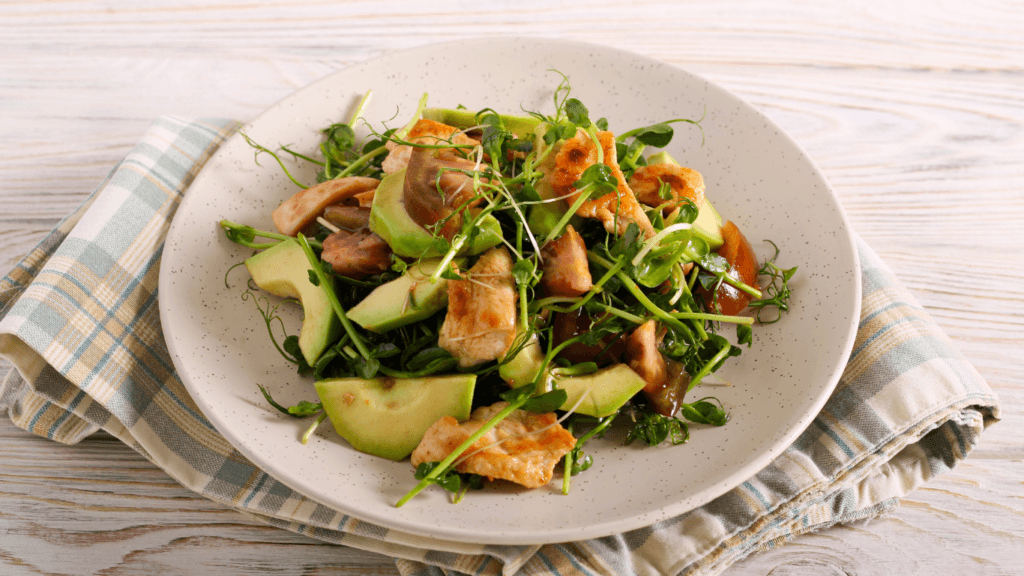
For instance, microgreens such as broccoli microgreens contain plant bioactive compounds, including glucosinolates and their derivatives, which have attracted scientific interest for their antioxidant and anti-inflammatory properties, shown mostly in laboratory and animal studies (Le et al., 2020).
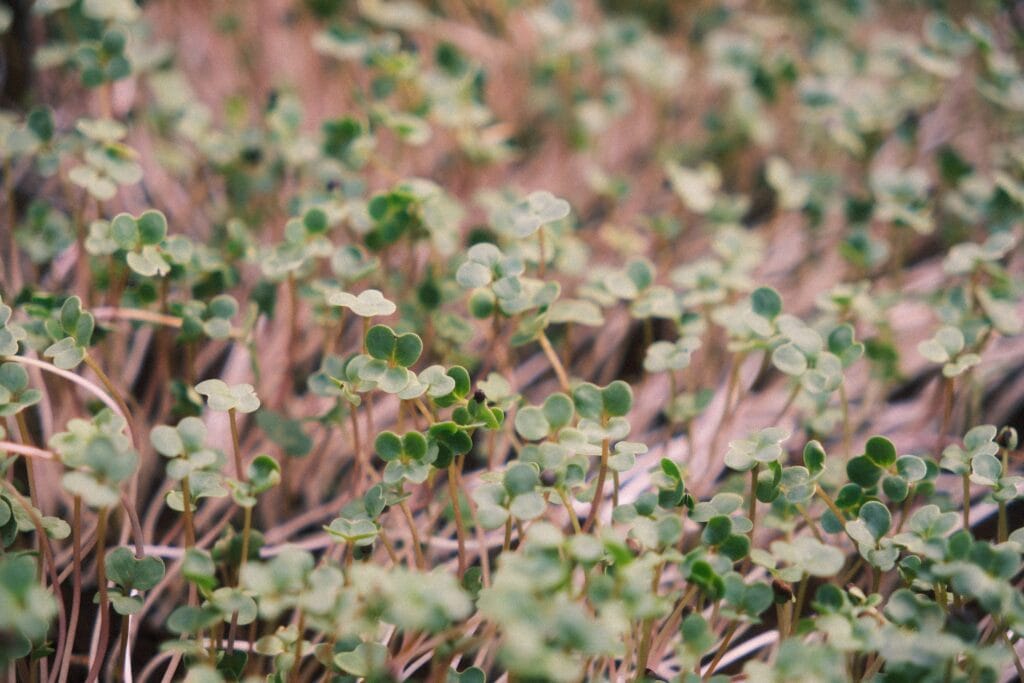
However, this does not mean that consumption of broccoli microgreens directly prevents gingivitis or periodontitis. Evidence about the biological properties of particular compounds should not automatically be interpreted as evidence that eating the food will prevent or treat periodontal disease.
Instead, microgreens serve as an interesting example of how foods rich in bioactive plant compounds could contribute to a healthy eating pattern that supports general and oral health.
Not directly. Overall, microgreens should not be viewed as a direct way to prevent gum disease, but they can be a valuable component of a well-rounded diet rich in plants. Eating microgreens does not prevent or treat gum disease.
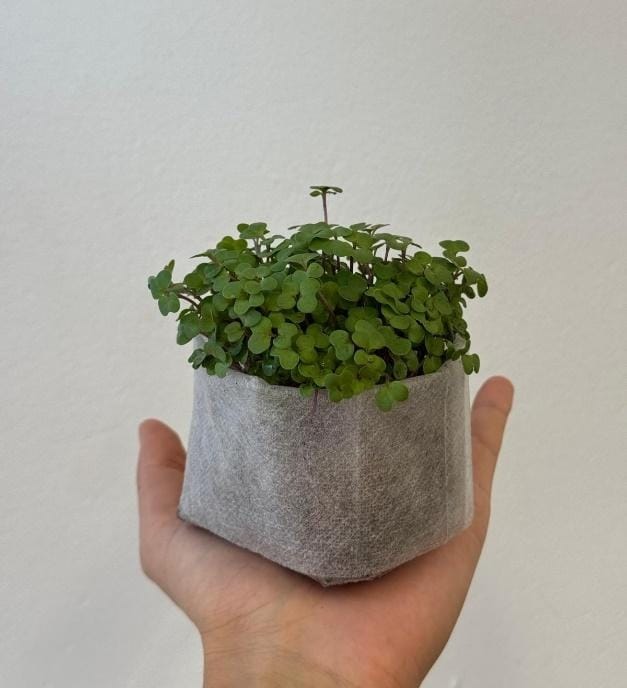
A nutritious dietary pattern can help support normal immune function and provide the nutrients and bioactive compounds needed to maintain healthy tissues, including those of the gums.
In this way, microgreens may be part of a healthier nutritional environment that supports periodontal health together with good oral hygiene.
But there is another important part of our oral health: the microorganisms living inside our mouth. Could our diet – and possibly microgreens – influence this microscopic world too?
Part 3 of 4 in a series on food and oral health by the same EVEC Academy volunteer:
https://microgreens.org.gr/science-library/papers
On periodontal health: World Health Organization, Oral health fact sheet.
This article is part of the free knowledge portal of EVEC Microgreens. Wherever you are on your microgreens journey, there is a path for you:
Co-funded by the European Union.
This portal presents the microgreens methodology; the organisation behind it is EVEC Athens — the European Voluntary and Educational Center (evec.org.gr). Views and opinions expressed are those of the author(s) only and do not necessarily reflect those of the European Union or the European Commission. Neither the European Union nor the granting authority can be held responsible for them.
Open licence. Except where stated otherwise, the educational materials on this portal are licensed under CC BY 4.0 — free to use, adapt and share, including commercially, with credit. See the licence terms.
Accessibility. We aim for WCAG 2.1 AA and publish what does and does not yet meet it — see the accessibility statement. If anything here blocks you, tell us and we will send the material in a format that works for you.