Get in touch
Questions about growing, workshops, the cooperative or partnerships? Send us a message and we will reply by email.
Prefer email? Write to erasmus@evec.org.gr

EVEC Microgreens
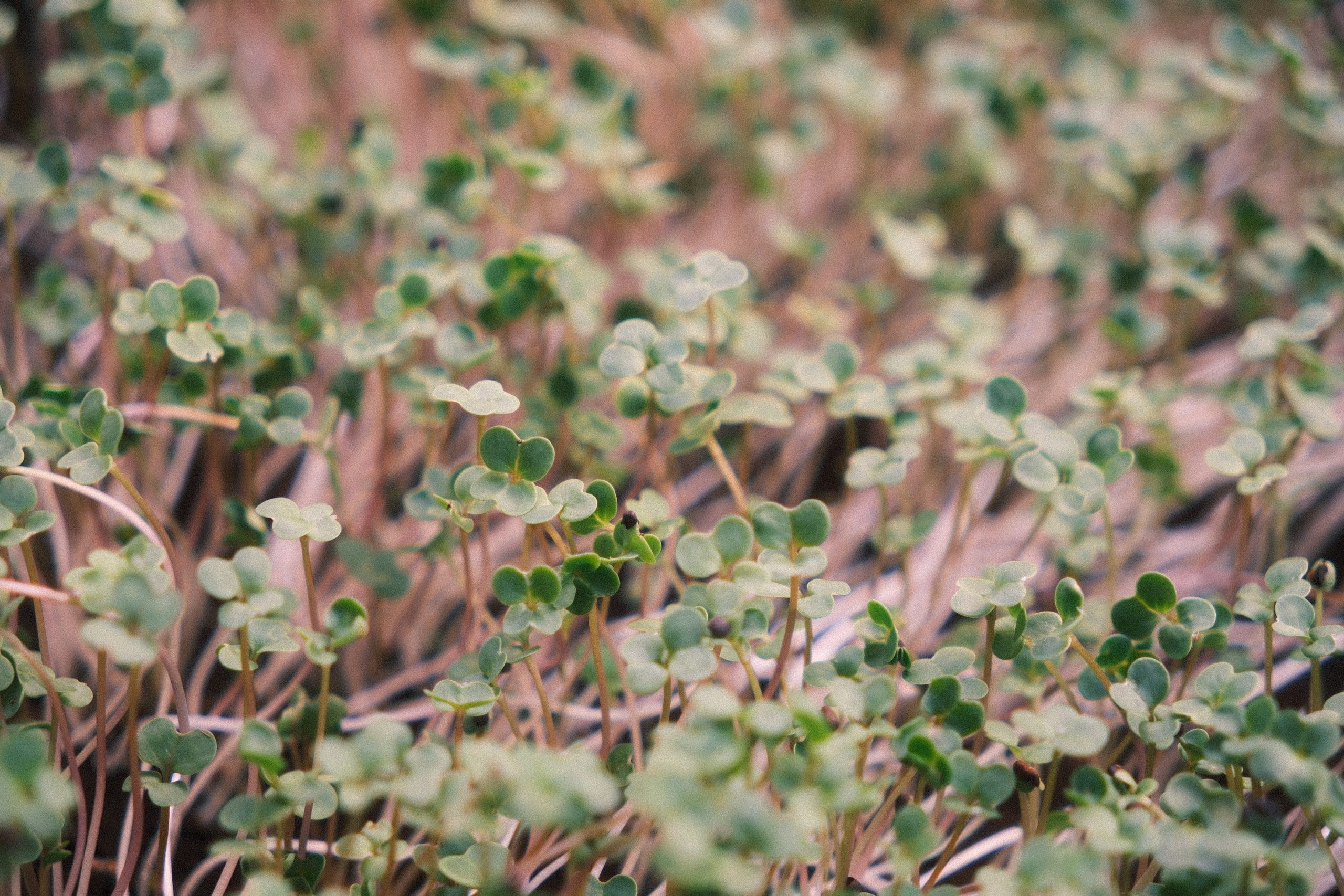
How to grow broccoli microgreens at home: soaking, sowing, light, watering and days to harvest — plus the practical tips we learned growing them in our own trays.
Broccoli is one of the most popular microgreen crops and reaches harvest in 7 to 10 days. This guide sets out what the crop needs, the sowing-to-harvest sequence, and what it delivers nutritionally. It follows the same format as our guide to radish microgreens.
The truth is that broccoli microgreens are among the most popular for their nutrient density, which we’ll set out below, and their mild flavor, with a fresh and slightly bitter touch. We’ll also share an easy recipe where you can use them. They’re also amazing as a garnish in gourmet dishes.
Here in the office, we absolutely love broccoli microgreens, we always say they look like four leaf clovers. That’s why we’ve nicknamed them the “lucky microgreen”.
Broccoli microgreens have been measured with higher concentrations of several minerals than mature broccoli, gram for gram: Weber (2017) reported more magnesium, manganese, copper and zinc however they were grown, and more phosphorus, potassium, iron, calcium and sodium as well when they were grown in compost. Which compounds, and by how much, depends on the cultivar and the growing conditions, so there is no single multiplier that applies across the board.
Here’s what these tiny greens are packed with
What you’ll need
How to prepare it
Take one or two slices of bread and toast them. Then, cut a tomato in half and rub it over the toast. Drizzle with olive oil and spread it evenly. Add the turkey ham on top, and finally, garnish with broccoli microgreens.
We promise it will be delicious (and visually stunning too).
Broccoli microgreens are fast and undemanding to grow: in less than two weeks a tray goes from sowing to a harvest you can use in everyday meals.
We hope this article has been helpful.
As always, see you next time!
Carlota
Karolina. (2025, March 31). How to grow broccoli microgreens + unlocking their potential for health and culinary delights. MP Seeds. Retrieved from https://mpseeds.eu/Broccoli-microgreens-and-sprouts-guide-about-growing-health-benefits-and-usage
Melissa & Kelly. How to grow broccoli microgreens. Quantum Microgreens. Retrieved, from https://quantummicrogreens.com/how-to-grow-broccoli-microgreens/
Weber, C. F. (2017). Broccoli microgreens: A mineral-rich crop that can diversify food systems. Frontiers in Nutrition, 4, 7. https://pmc.ncbi.nlm.nih.gov/articles/PMC5362588/
Fahey, J. W., Zhang, Y., & Talalay, P. (1997). Broccoli sprouts: An exceptionally rich source of inducers of enzymes that protect against chemical carcinogens. Proceedings of the National Academy of Sciences, 94(19), 10367–10372. https://doi.org/10.1073/pnas.94.19.10367 — note that this paper measured broccoli sprouts, which are harvested younger than microgreens, and reports laboratory enzyme-induction work rather than a health outcome in people.
Correction note: we removed a claim that sulforaphane “may help prevent certain types of cancer” and the widely repeated “up to 40 times more sulforaphane” figure. Neither is supported by the sources on this page: the mineral-composition paper by Weber (2017) does not address sulforaphane, cancer or immunity, and the two remaining sources are a seed vendor and a grower blog, which we cite for growing technique but not for health claims. We also removed unsourced statements about vision, skin, immune health, ageing and digestion, and narrowed the comparison with mature broccoli to minerals, which is what Weber (2017) actually measured — the earlier wording claimed higher vitamin and antioxidant levels, which no source on this page supports. See our editorial standards.
Related: Broccoli Microgreens and Sulforaphane: What the Research Actually Shows
Studies from our Science Library that concern broccoli microgreens, in plain language with links to the original research. This list updates automatically as new studies are added.
Recipes and kitchen ideas from our cookbook team that use broccoli microgreens.
Growing a different crop next? Every variety has a guide like this one in the Varieties database.
Our research archive holds 65 peer-reviewed studies on broccoli microgreens. They are free to read and download, and each one credits its original authors.
This article is part of the free knowledge portal of EVEC Microgreens. Wherever you are on your microgreens journey, there is a path for you:
Co-funded by the European Union.
This portal presents the microgreens methodology; the organisation behind it is EVEC Athens — the European Voluntary and Educational Center (evec.org.gr). Views and opinions expressed are those of the author(s) only and do not necessarily reflect those of the European Union or the European Commission. Neither the European Union nor the granting authority can be held responsible for them.
Open licence. Except where stated otherwise, the educational materials on this portal are licensed under CC BY 4.0 — free to use, adapt and share, including commercially, with credit. See the licence terms.
Accessibility. We aim for WCAG 2.1 AA and publish what does and does not yet meet it — see the accessibility statement. If anything here blocks you, tell us and we will send the material in a format that works for you.

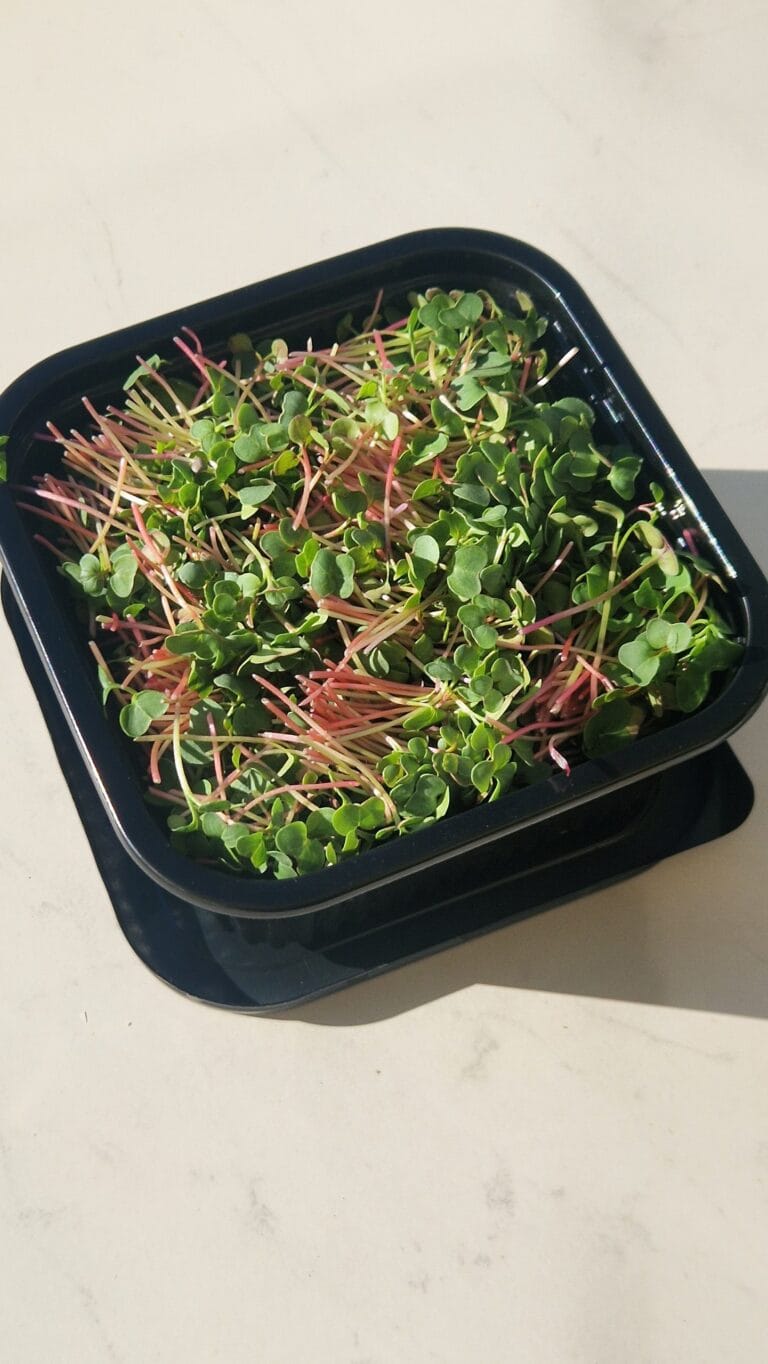
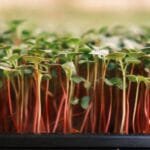
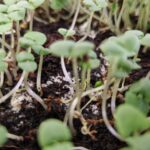
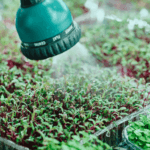

[…] are a genuinely easy starter crop, alongside other brassicas such as broccoli microgreens, and they slot neatly into a rotation of quick, reliable greens in our grow-at-home guides. The one […]
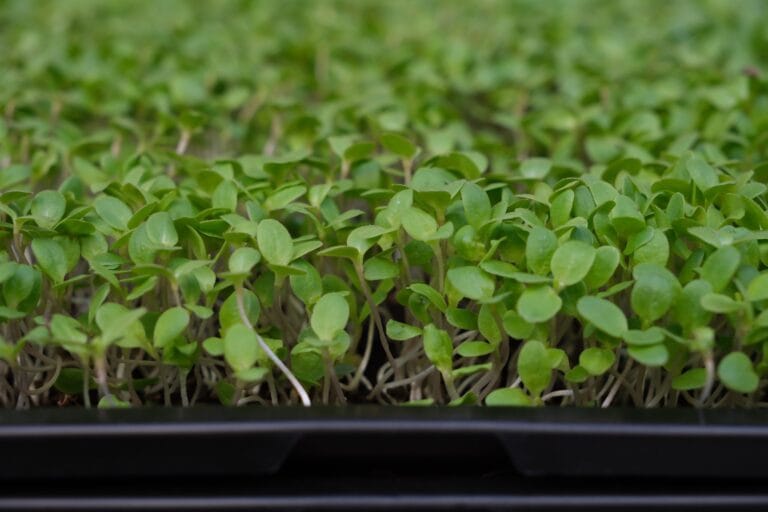
[…] sits in the brassica family alongside broccoli, radish and mustard, and it shares their best qualities: quick, reliable and genuinely useful in […]
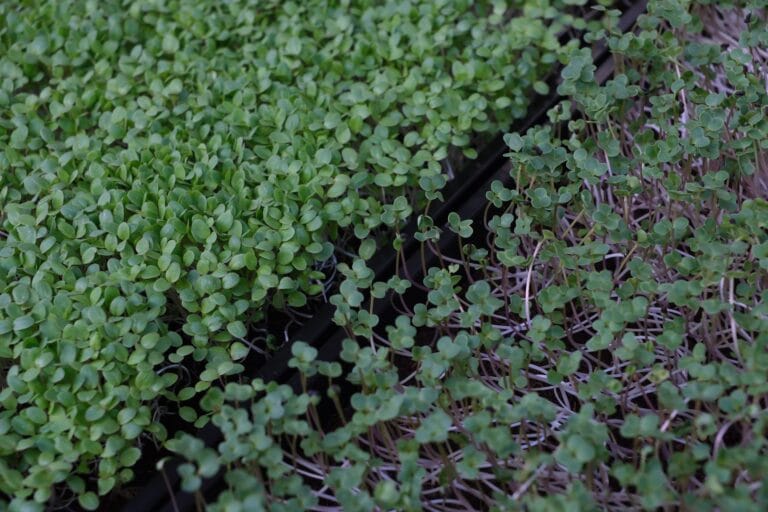
[…] you take to it, red cabbage sits naturally alongside the other brassicas in our library. Broccoli and radish grow in almost exactly the same way and make an easy next […]
[…] you sow, the slender stems can be pale green or a striking purple. If you have already tried broccoli or radish, this crop will feel reassuringly […]