Get in touch
Questions about growing, workshops, the cooperative or partnerships? Send us a message and we will reply by email.
Prefer email? Write to erasmus@evec.org.gr
EVEC Microgreens
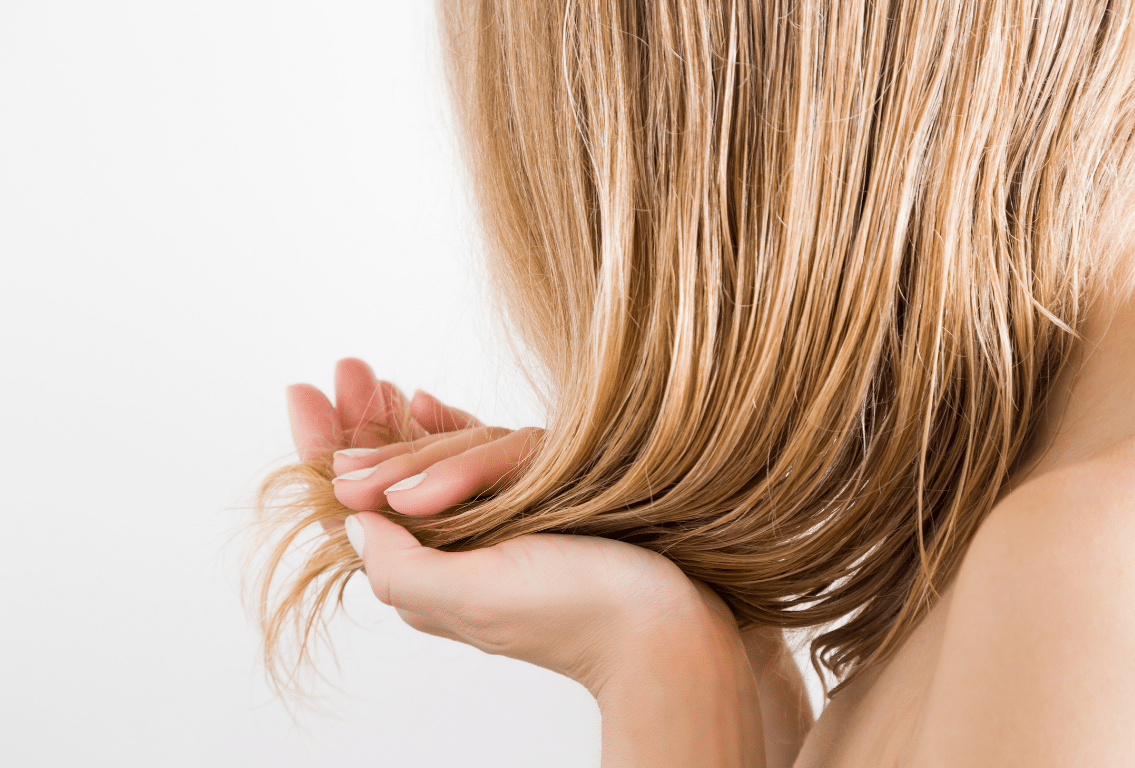
Two homemade hair masks: microgreens blended with coconut oil and honey, and with aloe vera and lemon for oily scalps, applied weekly or every two weeks.
This article belongs to our natural cosmetics series and turns to hair health. An earlier post set out what the evidence does and does not say about microgreens and hair health. This one is the practical companion: two mask recipes.
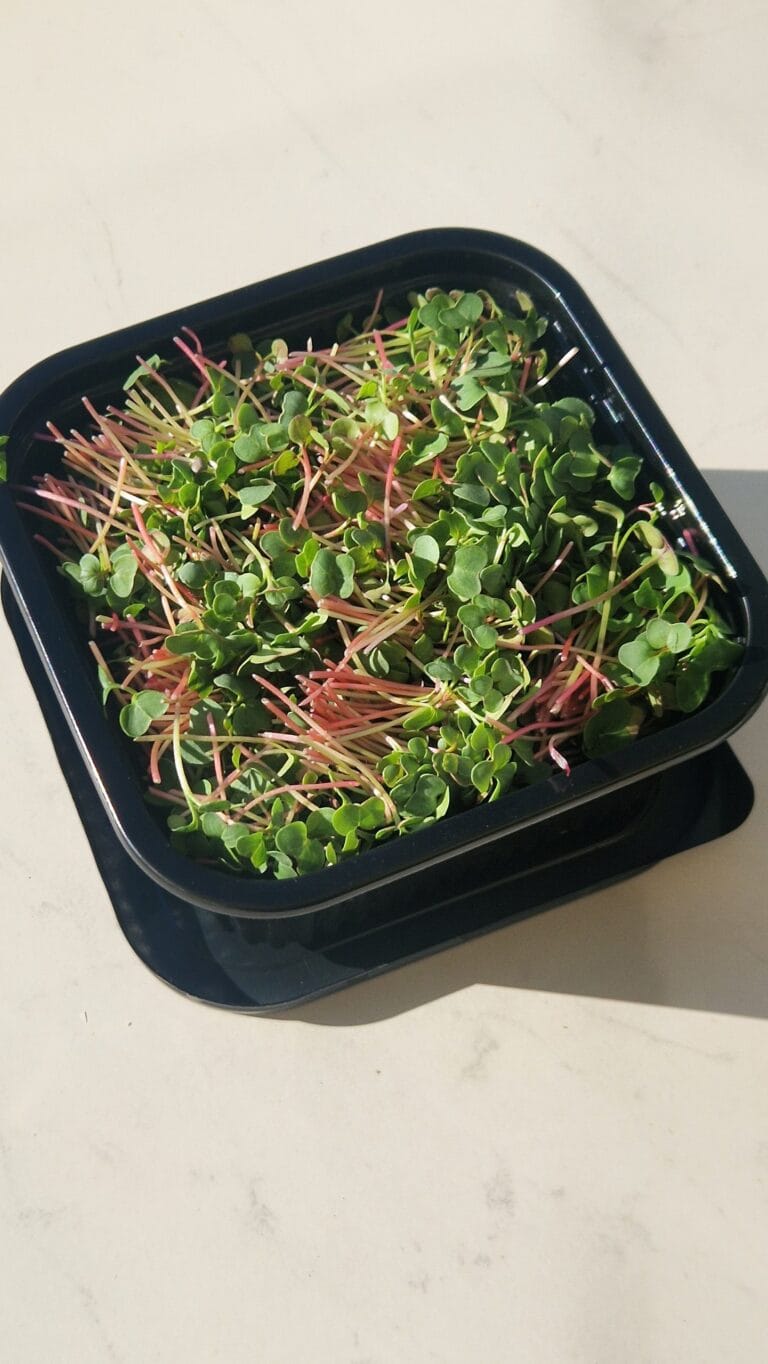
We like experimenting with microgreens beyond the kitchen: we have used them in face masks and homemade skincare, and here we have tried two microgreen based hair masks. One word before the recipes, though. These are homemade cosmetics, not treatments. They are cheap, pleasant to use and made from something you can grow on a windowsill, and that is the honest case for them.
Honestly? Mostly because they make a pleasant, cheap mask out of something you already grow. We used to say the vitamins and minerals in microgreens “promote hair growth”, “repair the fibre” and “strengthen hair follicles” when applied to the head. Those nutrients matter to hair when you eat them — and even then mainly if you are deficient, as we set out in our page on microgreens and hair health. Rubbing them on your scalp is not how they get in. The antioxidants do not change that: fighting oxidative stress happens inside a body that has eaten them, not on a hair shaft you have just rinsed a mask out of. So we are not going to tell you these masks leave hair shinier, stronger or healthier. What they are is a cheap, pleasant oil-and-honey mask made from ingredients you already have, with microgreens along for the ride.
Ingredients:
Preparation:
Application:
Ingredients:
Preparation and use:
Follow the same steps as for the previous mask.
It is a lighter mix than the coconut oil version, with no heavy oil in it, so it is the one to reach for if your hair is oily.
So: two masks, both cheap, both made from things you can grow on a windowsill, both pleasant to use on a Sunday afternoon. That is the whole claim, and we are content with it. The part of hair health that microgreens genuinely bear on is the dietary part, and it is covered in our page on microgreens and hair health.
Thanks for reading friends, see you in the next article!
Carlota
This article is part of the free knowledge portal of EVEC Microgreens. Wherever you are on your microgreens journey, there is a path for you:
Co-funded by the European Union.
This portal presents the microgreens methodology; the organisation behind it is EVEC Athens — the European Voluntary and Educational Center (evec.org.gr). Views and opinions expressed are those of the author(s) only and do not necessarily reflect those of the European Union or the European Commission. Neither the European Union nor the granting authority can be held responsible for them.
Open licence. Except where stated otherwise, the educational materials on this portal are licensed under CC BY 4.0 — free to use, adapt and share, including commercially, with credit. See the licence terms.
Accessibility. We aim for WCAG 2.1 AA and publish what does and does not yet meet it — see the accessibility statement. If anything here blocks you, tell us and we will send the material in a format that works for you.