Get in touch
Questions about growing, workshops, the cooperative or partnerships? Send us a message and we will reply by email.
Prefer email? Write to erasmus@evec.org.gr
EVEC Microgreens
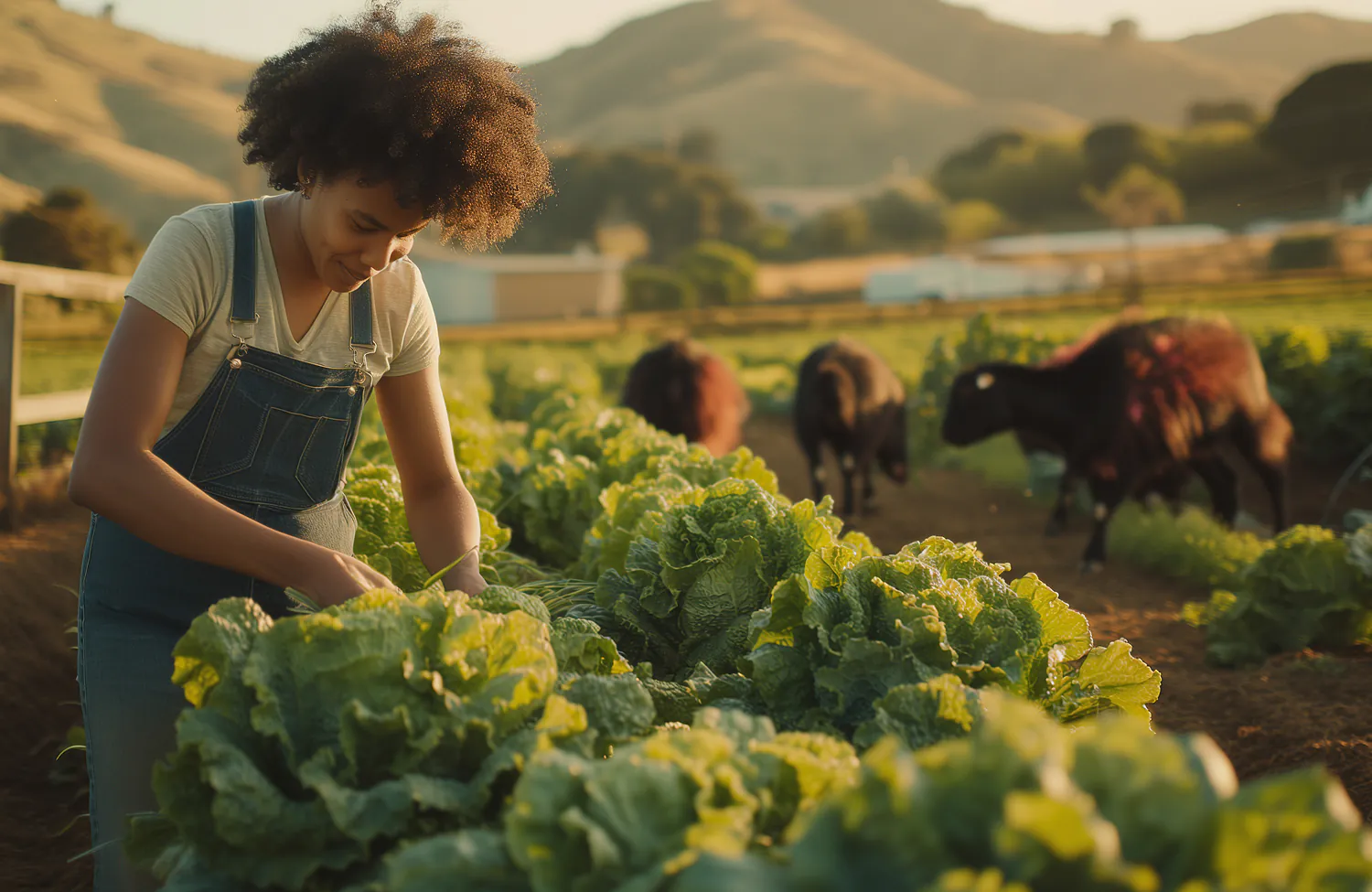
The project's starting point: what microgreens are, where we use them in teaching and cooking, and the superfood and skincare claims we removed from this page.
This project publishes free, openly licensed teaching material about microgreens — what they are, how to grow them, and what the published research does and does not show. Our main idea is to share news from academic science in a way that is accessible to everyone, including the findings that are negative, mixed or simply missing. It matters to us that as many people as possible can read the evidence for themselves rather than take our word for it.
We are concentrating on a healthy lifestyle, so firstly we checked the definition from the dictionary about this phrase. It says that a healthy lifestyle is “way of living that promotes good health”. These are the dictionary’s own example sentences, quoted as it gives them:
Those sentences are about a way of living in general. They are not a statement about microgreens, and we do not use them as one.
Then we asked our team what a healthy lifestyle means, so that we could make our own definition. Here is our explanation:
A healthy lifestyle is about everyday self care and building healthy habits. It is about choices we make that are good for our health. The way of living which focuses on nutritious diet, sport activities, mental health, and a supportive environment. Furthermore, a healthy lifestyle is also about feeling good in our body and soul. It means having time to grow as a person, because time is fundamental. It’s about having free time, leisure, and rest. That is a value we hold as a team, not a research finding.
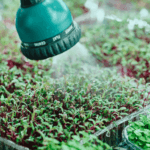
For us, our initiative is not only about words, but also about action. That’s why our project is about both spreading knowledge and putting it into practice — by planting microgreens, caring for them, cooking with them, and writing up what actually happened in the tray.
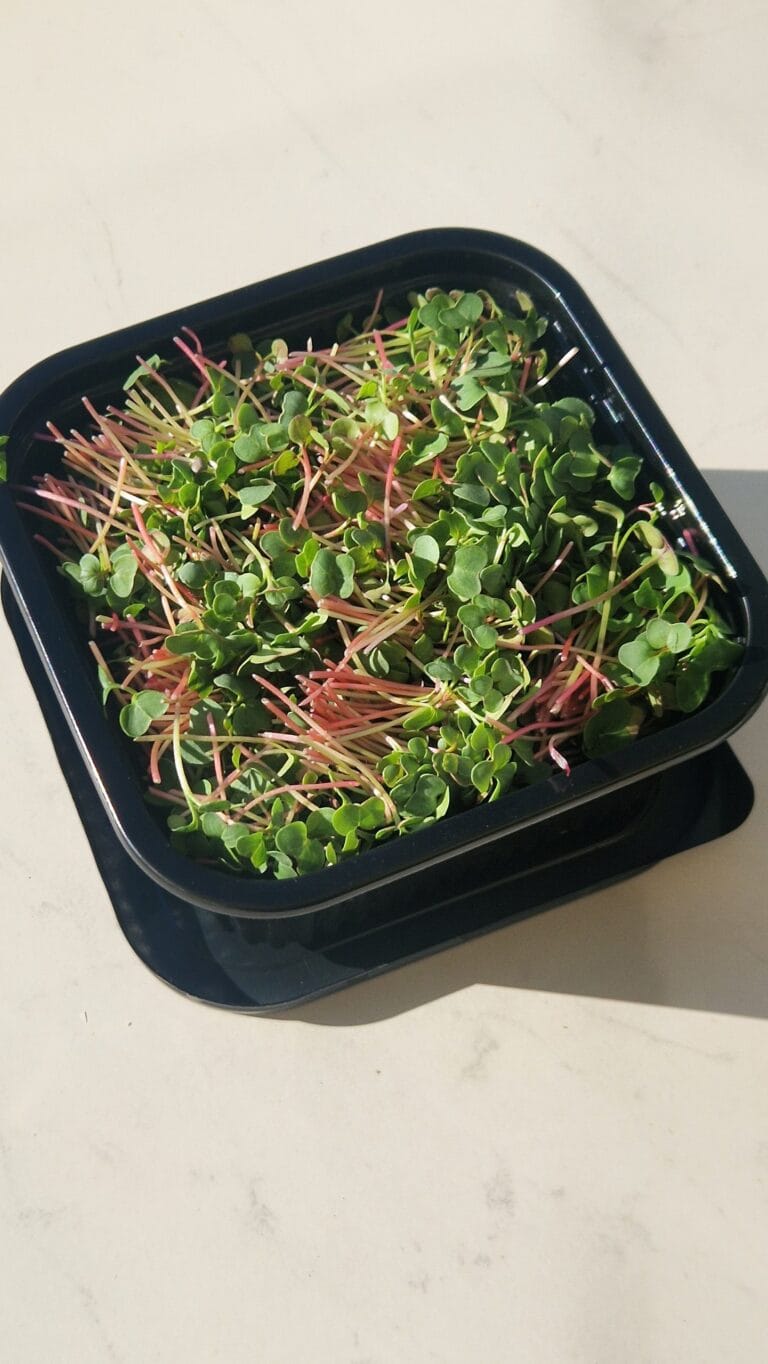
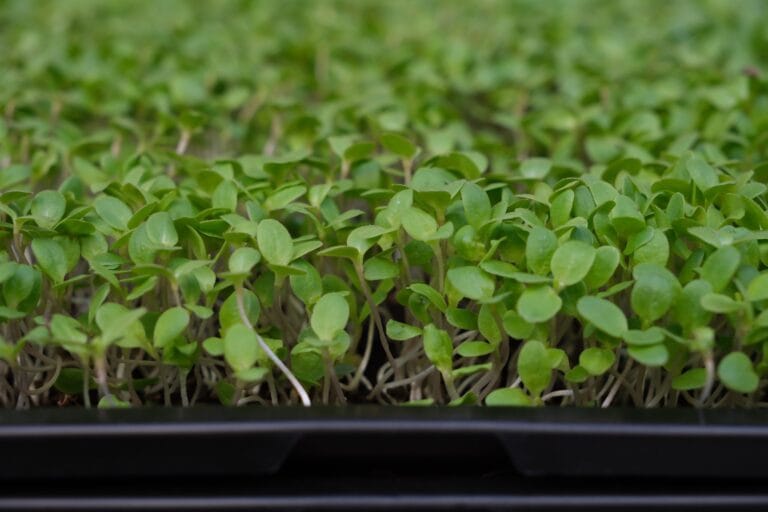
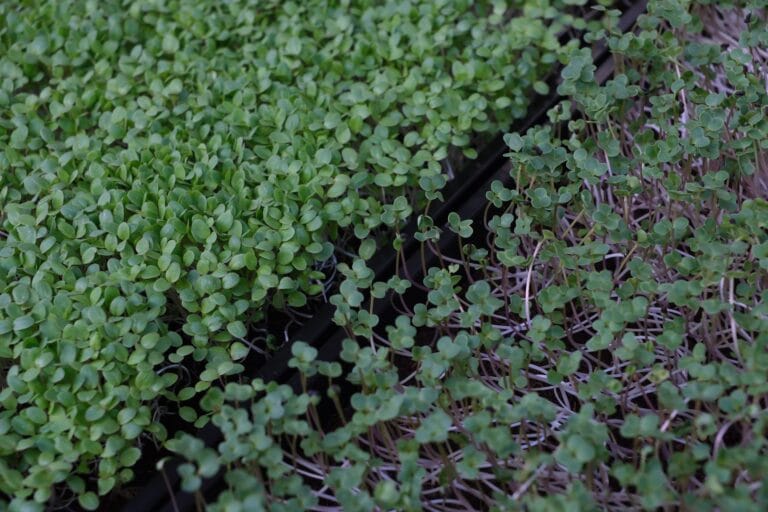
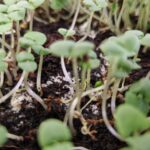
If you are asking yourself “actually what are microgreens?” We are in a hurry to answer: They are young seedlings of vegetables, herbs, or edible plants, usually harvested 7–21 days after germination. They are strongly flavoured for their size, and composition studies have measured higher concentrations of several vitamins and minerals per gram than in the same plant grown to maturity — though the ranges between varieties are very wide, so “microgreens” is not one nutritional profile. They are also fast and cheap to grow indoors without a garden, which is why we build teaching material around them. The areas this project covers are:
Later articles take each of these areas in turn, in more detail. This piece is an early, shorter version of the same introduction — the fuller one, including how we run workshops and put the habits into daily practice, is Welcome to our healthy journey.
Stay with us, to deep into more specific facts about microgreens and start this journey with us!
Updated 30 July 2026. An earlier version of this page said the project was “about promoting superfoods, especially microgreens”, referred to “the health-promoting properties of microgreens”, stated that our aim was “to help people feel better”, and listed “Health and Preventing Disease” and “Beauty & Skincare” among the areas where microgreens make a positive impact. We have removed all of it. “Superfood” is a marketing word with no scientific or regulatory meaning, none of those statements carried a source, and we are not aware of evidence that eating microgreens prevents disease or improves skin. This page now says what the project does instead. See our editorial standards.
Karolina
This article is part of the free knowledge portal of EVEC Microgreens. Wherever you are on your microgreens journey, there is a path for you:
Co-funded by the European Union.
This portal presents the microgreens methodology; the organisation behind it is EVEC Athens — the European Voluntary and Educational Center (evec.org.gr). Views and opinions expressed are those of the author(s) only and do not necessarily reflect those of the European Union or the European Commission. Neither the European Union nor the granting authority can be held responsible for them.
Open licence. Except where stated otherwise, the educational materials on this portal are licensed under CC BY 4.0 — free to use, adapt and share, including commercially, with credit. See the licence terms.
Accessibility. We aim for WCAG 2.1 AA and publish what does and does not yet meet it — see the accessibility statement. If anything here blocks you, tell us and we will send the material in a format that works for you.