Get in touch
Questions about growing, workshops, the cooperative or partnerships? Send us a message and we will reply by email.
Prefer email? Write to erasmus@evec.org.gr
EVEC Microgreens
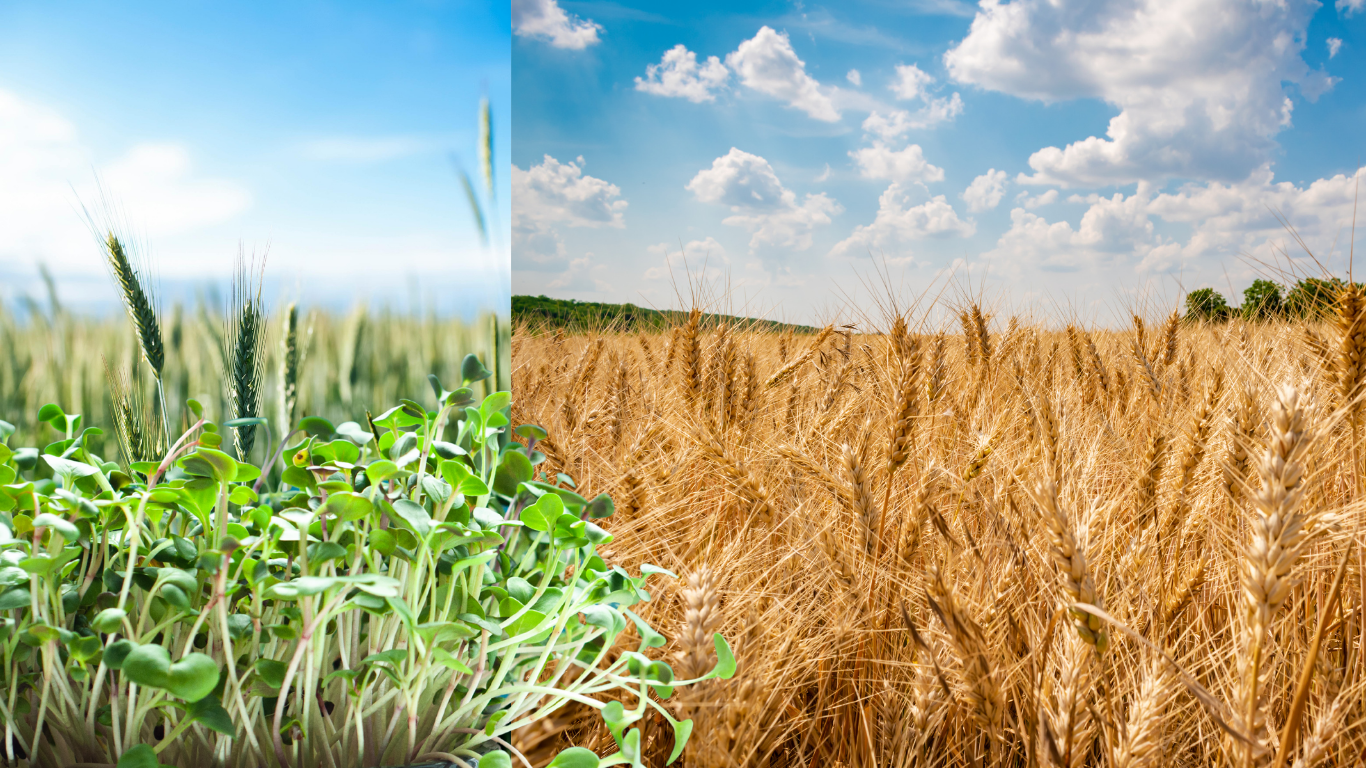
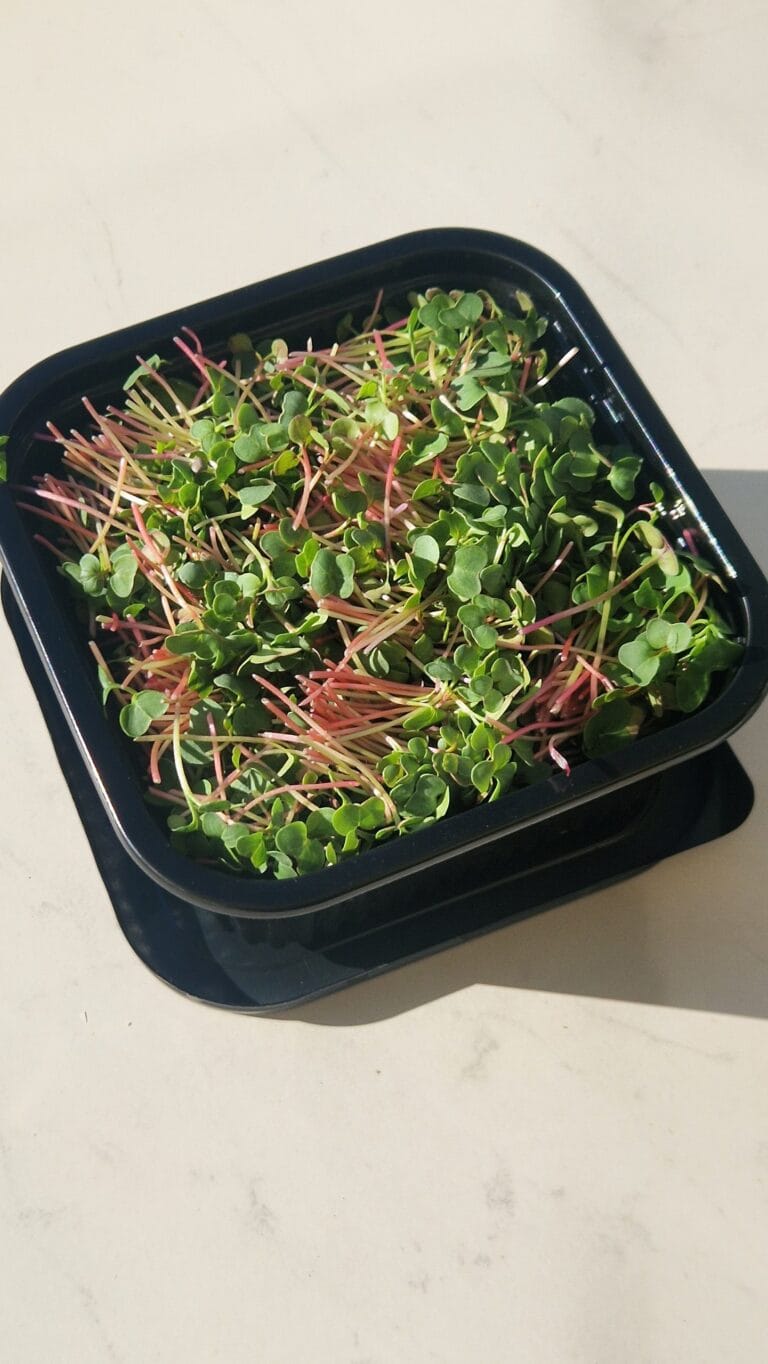
Hello readers, how are you doing? Welcome to a new chapter in the life of our little green friends, our microgreens.
Today, as always, we were looking for new information across different portals about microgreens, and we came across a very interesting article on the scientific portal News-Medical, written by Priyanjana Pramanik, a science communicator with a background in wildlife biology who is dedicated to science outreach and conservation. In this publication, she raised the question of whether cereal microgreens could become the next sustainable superfood.
And that’s exactly what we’ll be talking about today, cereal microgreens.
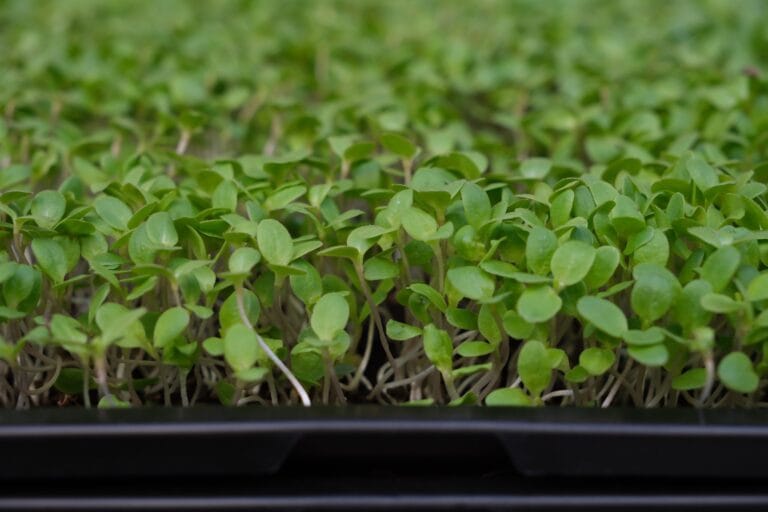
Cereals and pseudocereals, such as wheat, oats, amaranth (as you know, we’ve been growing amaranth in our office for a few months now and we love it), and quinoa, have been an essential part of the human diet for millennia. But research suggests they could be even more nutritious if consumed at a different stage: not as mature grains, but as microgreens, that is, when the plant is only about 10 to 21 days old.
During this period, the seed uses its energy reserves to grow, transforming starches into compounds that are easier to absorb. The result is a small sprout packed with high concentrations of vitamins, minerals, antioxidants, and proteins, in most cases, far higher than in the mature grain we’re used to.
When it comes to nutrients, Pramanik explains that recent studies highlight how microgreens concentrate:
In the specific case of wheat microgreens, researchers observed a remarkable increase: up to 260% more protein and ten times more minerals compared to the mature grain. Although not all species offer the same profile, the trend is clear: at this early stage, the nutritional potential skyrockets.
And beyond nutrition, microgreens have another strategic advantage we’ve often talked about: they can be grown quickly and efficiently. Their production adapts well to systems such as vertical farming and hydroponics, saving space, reducing water use, and shortening harvest times.
This opens up exciting possibilities for food supply in cities, or even in regions with limited fertile soil.
However, despite all these benefits, cereal microgreens also face important challenges:
Even so, research points to a promising future. Cereal microgreens could become key allies against malnutrition and part of a more sustainable food strategy. As Priyanjana Pramanik points out, the potential is there; what’s needed is to strengthen scientific evidence, overcome production hurdles, and build consumer trust.
What today are tiny nutrient bombs in urban farms or even office desks, could tomorrow become a staple ingredient in our diets, bringing more nutrients with less environmental impact.
See you next time, friends!
Carlota
Source:
Pramanik, Priyanjana. (2025, September 5). Can cereal microgreens become the next sustainable superfood? News-Medical. Retrieved October 1, 2025, from https://www.news-medical.net/news/20250905/Can-cereal-microgreens-become-the-next-sustainable-superfood.aspx
This article is part of the free knowledge portal of EVEC Microgreens. Wherever you are on your microgreens journey, there is a path for you:
Co-funded by the European Union.
This portal presents the microgreens methodology; the organisation behind it is EVEC Athens — the European Voluntary and Educational Center (evec.org.gr). Views and opinions expressed are those of the author(s) only and do not necessarily reflect those of the European Union or the European Commission. Neither the European Union nor the granting authority can be held responsible for them.