Get in touch
Questions about growing, workshops, the cooperative or partnerships? Send us a message and we will reply by email.
Prefer email? Write to erasmus@evec.org.gr
EVEC Microgreens
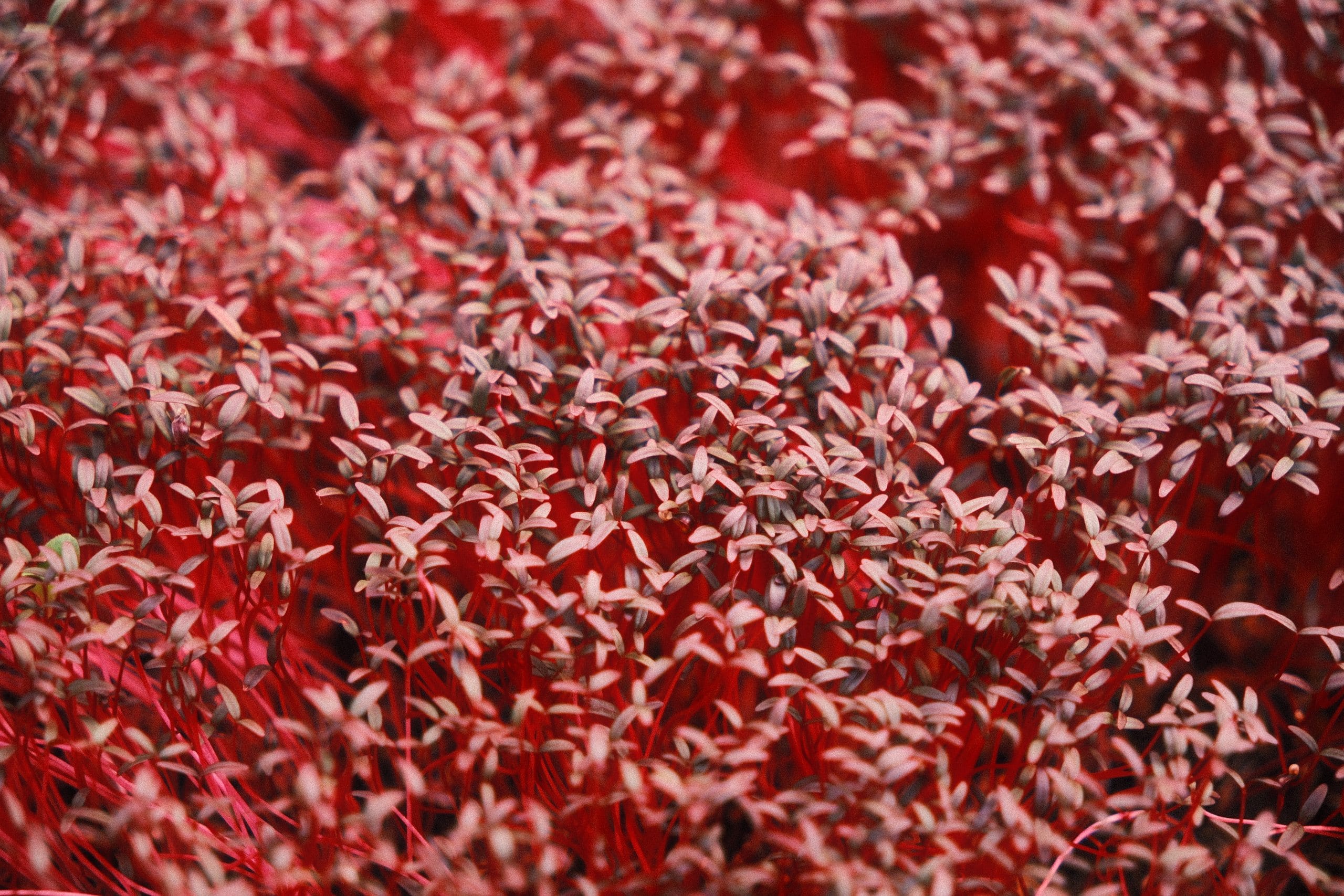
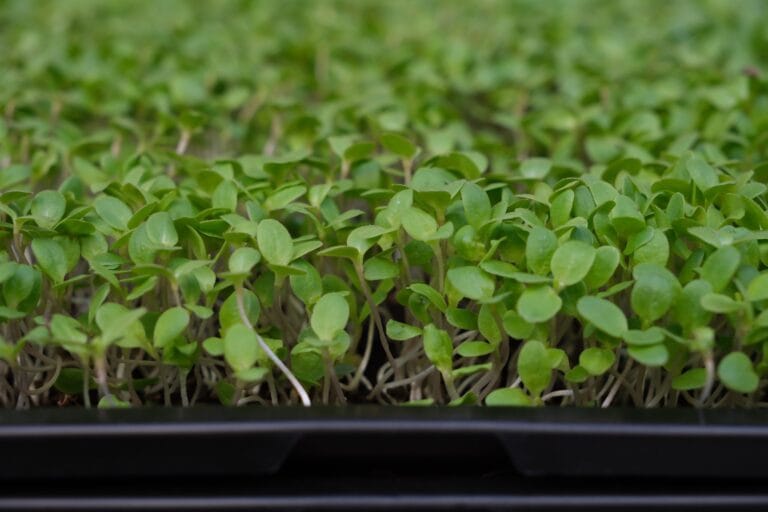
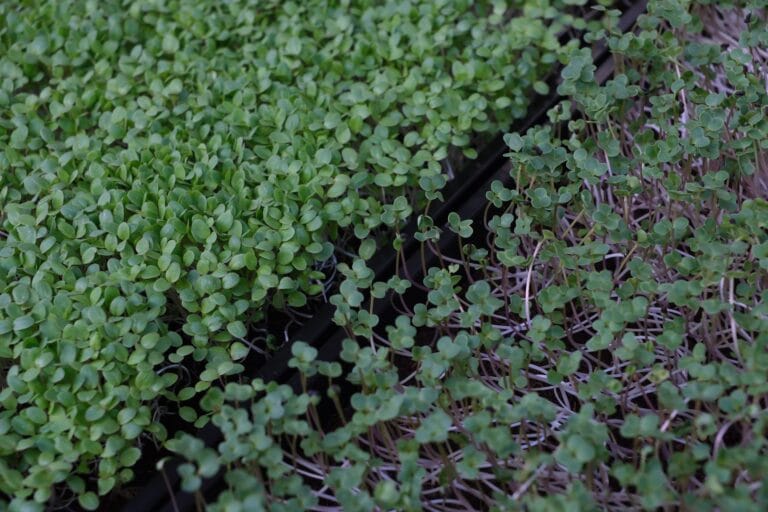
How to grow red amaranth microgreens: a striking pink-red crop grown mainly for colour, with a longer 2–3 week cycle and a little more attention than lettuce or broccoli.
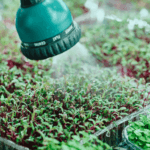
Red amaranth earns its place in a growing rotation for the striking pink or reddish color that makes it a decorative garnish in its own right. We absolutely love red amaranth in our office because it adds a vibrant splash of color that contrasts beautifully with all the greens. It does require more attention than the lettuce or broccoli microgreens covered in previous articles, and it takes two to three weeks to reach harvest.
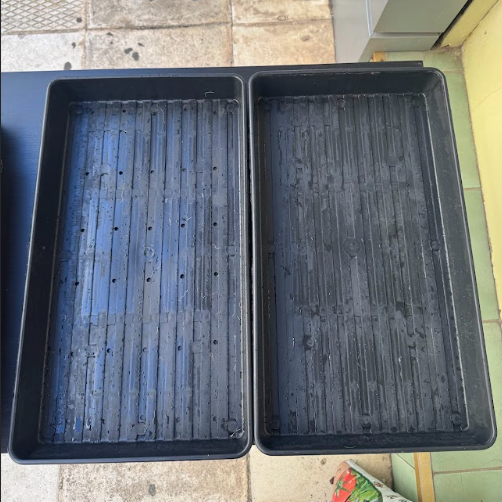
Red amaranth adds a pop of color to your dishes, which makes it well suited to salads, sandwiches, or use as a garnish.
See you next time!
Carlota
Studies from our Science Library that concern red amaranth microgreens, in plain language with links to the original research. This list updates automatically as new studies are added.
No plain-language write-up for this crop yet — the peer-reviewed studies are listed further down this page, or browse the full Science Library.
Recipes and kitchen ideas from our cookbook team that use red amaranth microgreens.
No recipes for this crop yet — the cookbook has plenty to start with.
Growing a different crop next? Every variety has a guide like this one in the Varieties database.
Our research archive holds 28 peer-reviewed studies on amaranth microgreens. They are free to read and download, and each one credits its original authors.
This article is part of the free knowledge portal of EVEC Microgreens. Wherever you are on your microgreens journey, there is a path for you:
Co-funded by the European Union.
This portal presents the microgreens methodology; the organisation behind it is EVEC Athens — the European Voluntary and Educational Center (evec.org.gr). Views and opinions expressed are those of the author(s) only and do not necessarily reflect those of the European Union or the European Commission. Neither the European Union nor the granting authority can be held responsible for them.
Open licence. Except where stated otherwise, the educational materials on this portal are licensed under CC BY 4.0 — free to use, adapt and share, including commercially, with credit. See the licence terms.
Accessibility. We aim for WCAG 2.1 AA and publish what does and does not yet meet it — see the accessibility statement. If anything here blocks you, tell us and we will send the material in a format that works for you.

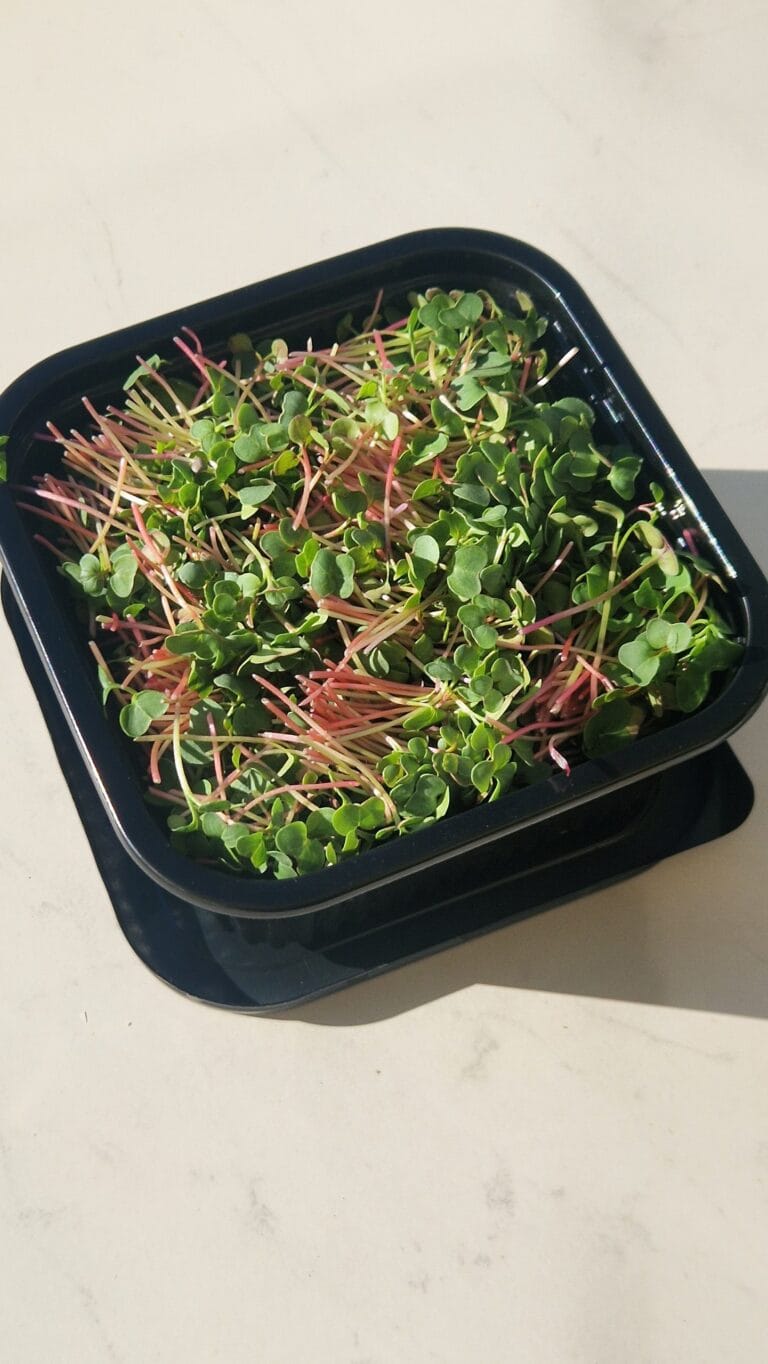

[…] of the most intense colour available, close to red amaranth but with larger, easier […]