Get in touch
Questions about growing, workshops, the cooperative or partnerships? Send us a message and we will reply by email.
Prefer email? Write to erasmus@evec.org.gr

EVEC Microgreens
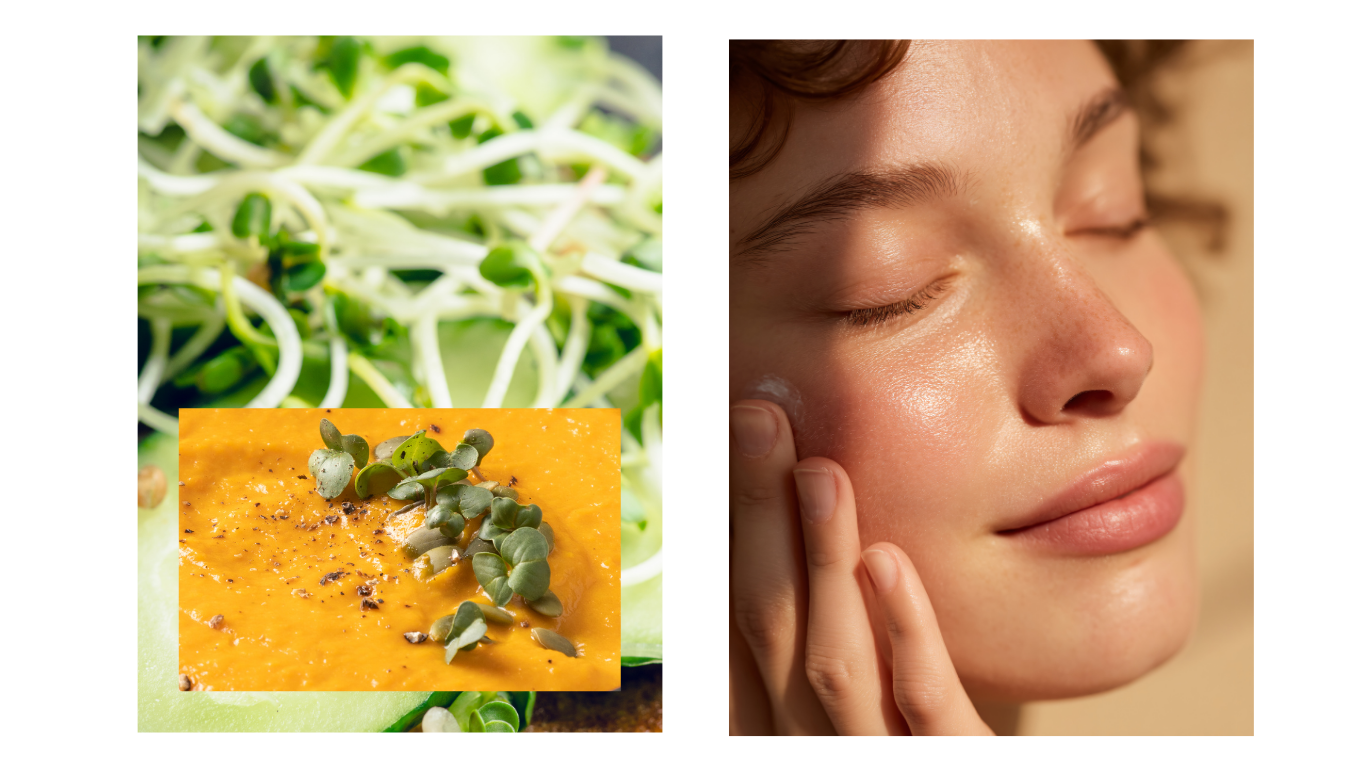
Hemp, sunflower, rosemary, pumpkin and cucumber microgreens: what each one actually contributes nutritionally, and the skin-condition claims we took off this page.
Five microgreen varieties that come up again and again in skincare writing. Here is what each one is like to grow and to eat — and, in each case, what we can and cannot honestly say it does for skin. That second part is shorter than you might expect, and it is the reason this page reads differently from most articles with this headline.
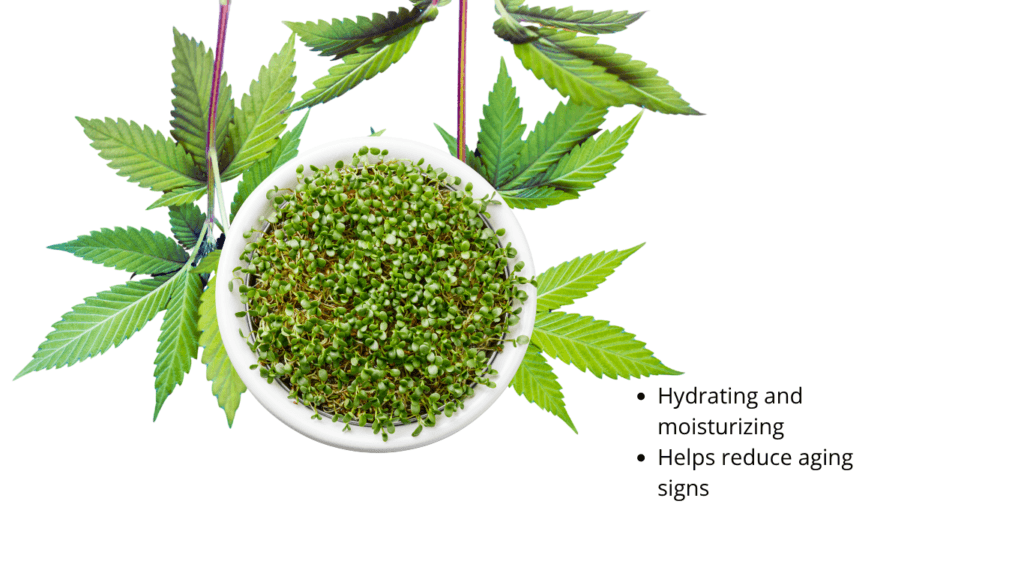
Been used for centuries, albeit mostly for the plant’s seeds. Hemp microgreens are widely described as more nutritious than the seed, but we could not find a compositional study that actually compares the two, so we no longer repeat it as fact. They do contain fatty acids and flavonoids. An earlier version of this page said those compounds are “perfect for targeting the visible clues of aging skin”; no trial has tested whether eating hemp microgreens changes skin ageing, so we have removed that claim. What we can say is that they are tasty, nutty flavored, unlike other bitter types. Include them in salads as garnish or in pretty much any dish.
But if you want to make the most of it, let them also be part of your skincare routine. Not sure how? Check our beauty series on the web to know all the uses you can give them.
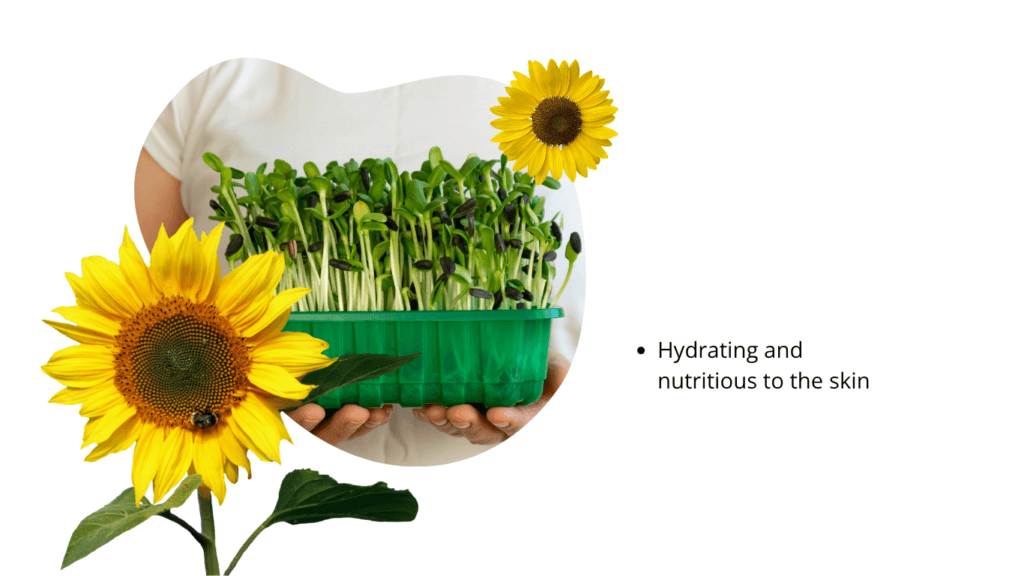
Sunflower is already present in a lot of recipes, whether you use sunflower oil to cook or sprinkle sunflower seeds onto your dish. However, often overlooked are sunflower microgreens.
One of the most complete as they are a great source of vitamins A,C,E,K and B6, protein, iron and fatty acids.
They are crunchy, nutty in flavor like hemp, but with some citrus notes as some other users have said. Because of that, they blend well in any meal, juice or smoothie.
A bunch of sunflower microgreens can also be turned into a serum, a scrub or a face mask if you enjoy making your own cosmetics — we describe how, without promising a result.
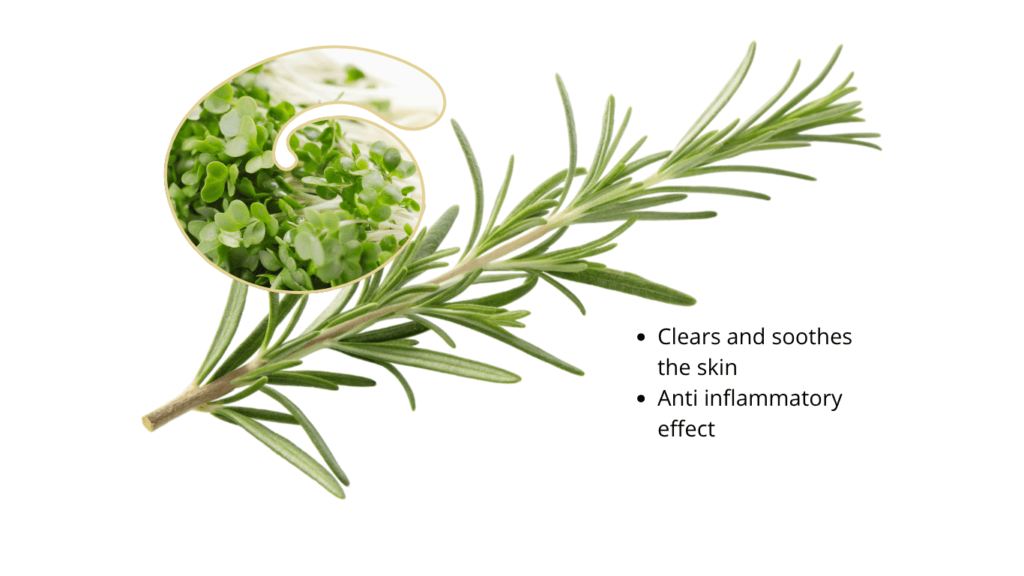
Rosemary is the most familiar name in this list, because it turns up so often in skincare and beauty products. That familiarity is about the cosmetics industry’s use of rosemary extract, though, not about evidence that eating rosemary microgreens changes your skin, your hair or your eyelashes.
While herbs are commonly used to grow microgreens, rosemary microgreens aren’t so common. Rosemary has a slower time of growing, which means it is not only often harder to find but also pricier.
Rosemary contains rosmarinic acid, a compound studied for anti-inflammatory activity in the laboratory. An earlier version of this page went further and said rosemary microgreens help reduce acne, eczema, psoriasis and rosacea, and suggested adding them to your diet if you have one of those conditions. We have removed that. Those are medical conditions with real treatments, no trial has tested microgreens against any of them, and telling someone with psoriasis to eat a salad instead of seeing a dermatologist is not advice we are willing to publish.
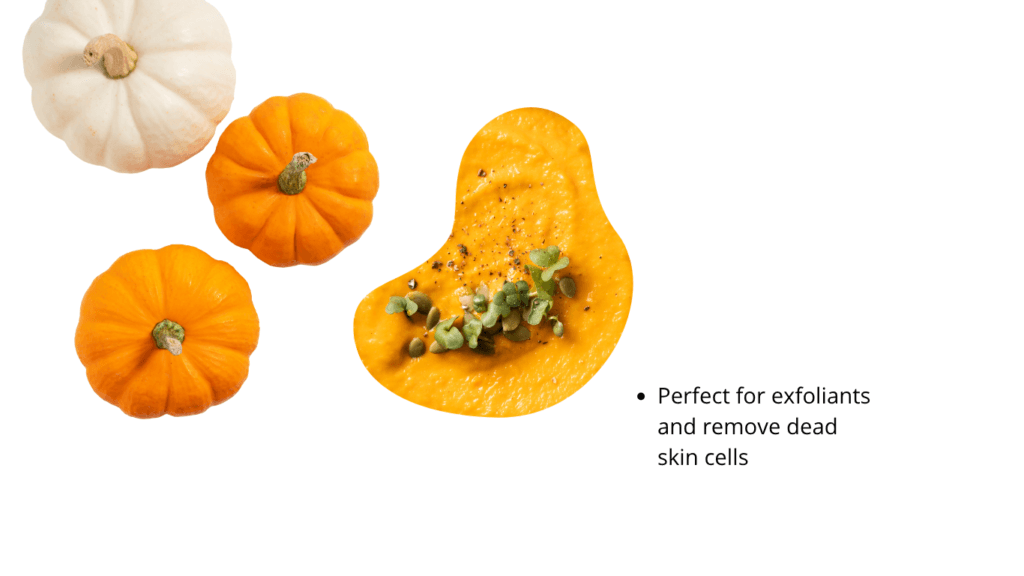
For bitter taste enthusiasts, pumpkin microgreens will surely satisfy you, but if that’s not your thing, don’t be discouraged as the bitterness is relatively light. They do also have a slightly nutty flavor and crunchy texture. An earlier version of this page said they are packed with essential nutrients and that eating them will “surely boost your skin health”. We have removed that: we could not find a published nutrient analysis for pumpkin microgreens specifically, and no study has tested whether eating them changes skin health. They are a perfectly good vegetable, which is a smaller claim and one we can stand behind.
And unlike rosemary microgreens, they are relatively easy to find and quick to grow at home.
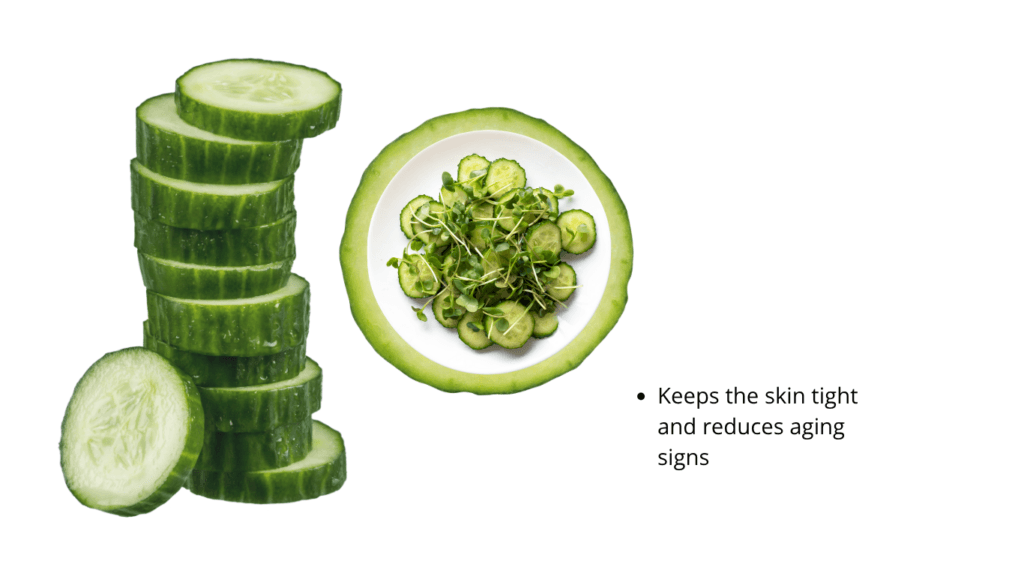
Cucumber microgreens contain potassium, iron, magnesium and zinc. We have not found a published analysis giving amounts for cucumber microgreens specifically, so we cannot tell you how they compare with other foods, and we have dropped the words “in large quantities”. An earlier version of this page also said those minerals help skin feel firm and tight and slow the visible signs of aging. No study has tested that, so it has been removed. See our editorial standards.
They are quick to grow and find. Unlike sunflower and pumpkin microgreens, cucumber microgreens are more delicate and not so crunchy, so people usually use them as garnish. Their taste is pretty similar to their grown counterparts. And for your information, there are plenty of ways to add them into your beauty routine.
These five are just a starter; there are hundreds of varieties to choose from, and most of them you can grow at home with minimal space and effort. That is the honest appeal of microgreens: fresh vegetables, cheaply, in a small flat, year round.
Adding microgreens to your diet is a reasonable thing to do, on the same grounds as adding any other vegetable. We are not promising you a transformed complexion, and this page no longer says otherwise.
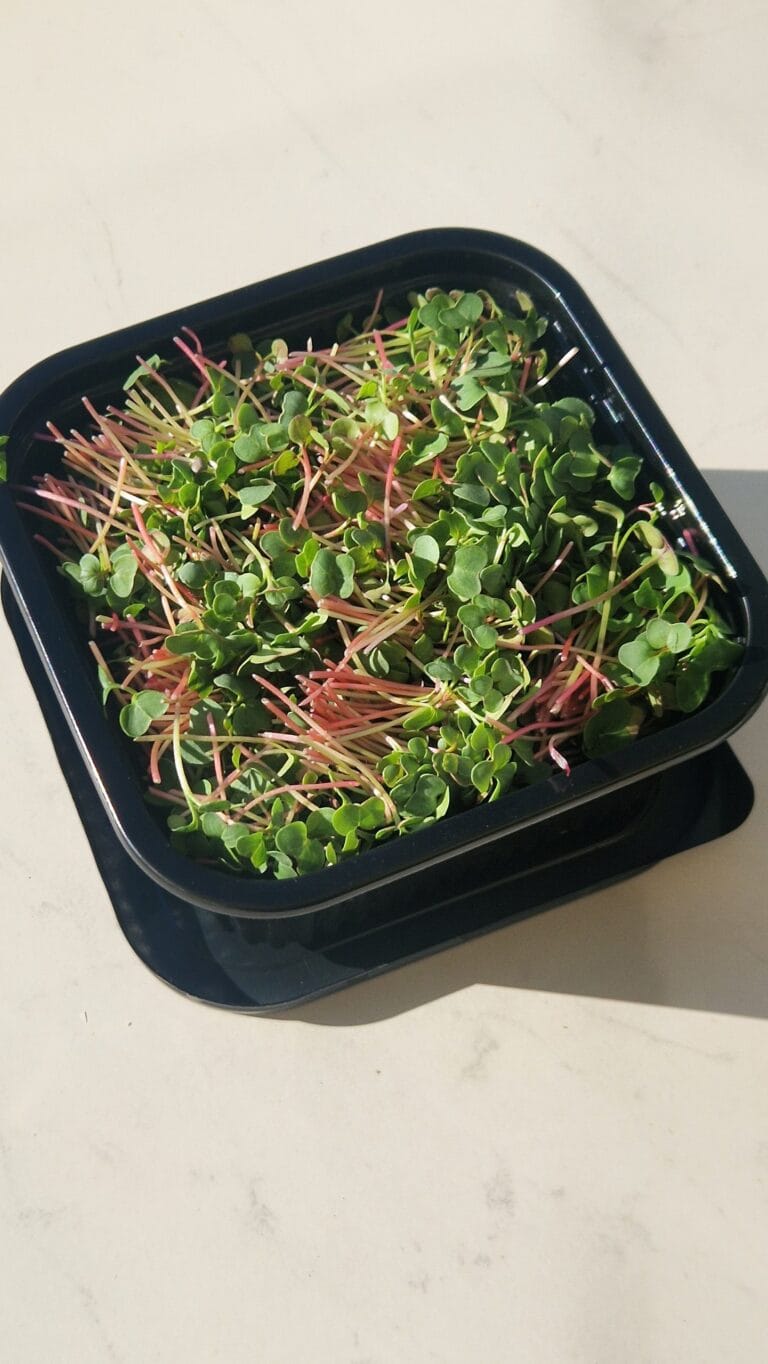
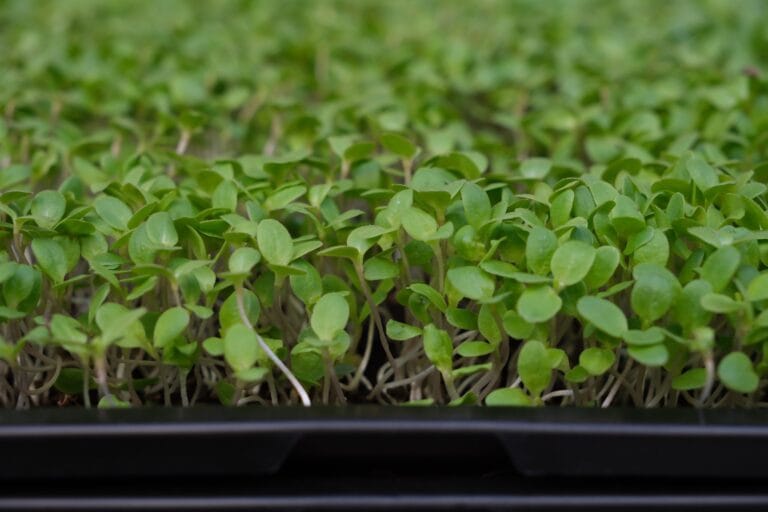
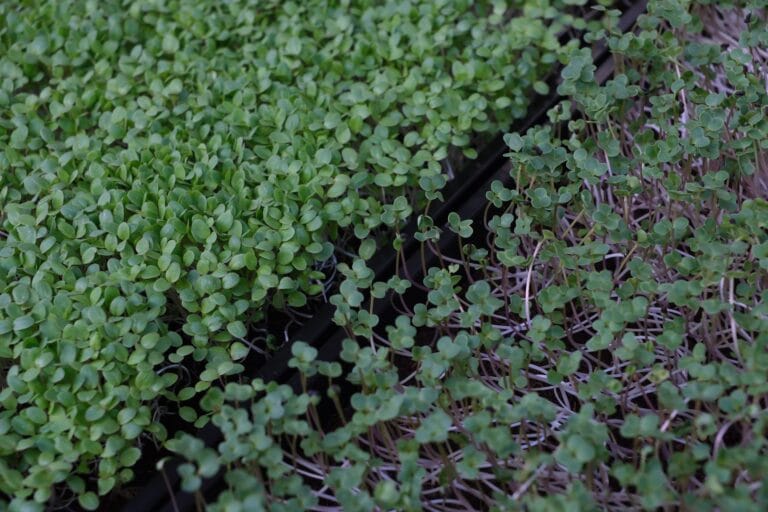
Note on the illustrations, 30 July 2026: the graphics on this page still carry their original overlaid captions (“hydrating and moisturizing” and “helps reduce aging signs”, “hydrating and nutritious to the skin”, “clears and soothes the skin” and “anti-inflammatory effect”, “perfect for exfoliants and removing dead skin cells”, “keeps the skin tight and reduces aging signs”). Those captions predate this correction, they are not claims we stand behind, and nothing in the text below rests on them.
Want to go further? Check our series “How to Incorporate Microgreens into your Beauty Routine” for recipes, DIY skincare featuring fresh and natural ingredients.
Autumn Essentials: Microgreens Balm and Oil Cleanser
Microgreens for Glowing Skin: Nature’s Secret
How to Incorporate Microgreens into your Beauty Routine: Microgreens-Infused Water and DIY Face Cream: Microgreen masks and Smoothie Booster – Part 1/4
How to Incorporate Microgreens into your Beauty Routine: Microgreens-Infused Water and DIY Face Cream: Microgreens Toner and Baths – Part 2/4
How to Incorporate Microgreens into your Beauty Routine: Microgreens-Infused Water & DIY Face Cream. Part 3/4
How to Incorporate Microgreens into your Beauty Routine: Microgreens-Infused Water & DIY Face Cream. Part 4/4
“Microgreens and skin: what the vitamin C evidence shows”
This page previously listed one item, under a heading reading “Source”: “5 microgreens that benefit your skin”, Vivo Per Lei, 17 October 2022 (vivopl.com). Vivo Per Lei is a skincare vendor, and under our editorial standards a vendor page is never used to support a health, safety or nutrition claim. It is kept here as the listicle that prompted this article, not as a source: nothing stated above rests on it.
This article is part of the free knowledge portal of EVEC Microgreens. Wherever you are on your microgreens journey, there is a path for you:
Co-funded by the European Union.
This portal presents the microgreens methodology; the organisation behind it is EVEC Athens — the European Voluntary and Educational Center (evec.org.gr). Views and opinions expressed are those of the author(s) only and do not necessarily reflect those of the European Union or the European Commission. Neither the European Union nor the granting authority can be held responsible for them.
Open licence. Except where stated otherwise, the educational materials on this portal are licensed under CC BY 4.0 — free to use, adapt and share, including commercially, with credit. See the licence terms.
Accessibility. We aim for WCAG 2.1 AA and publish what does and does not yet meet it — see the accessibility statement. If anything here blocks you, tell us and we will send the material in a format that works for you.