Get in touch
Questions about growing, workshops, the cooperative or partnerships? Send us a message and we will reply by email.
Prefer email? Write to erasmus@evec.org.gr

EVEC Microgreens
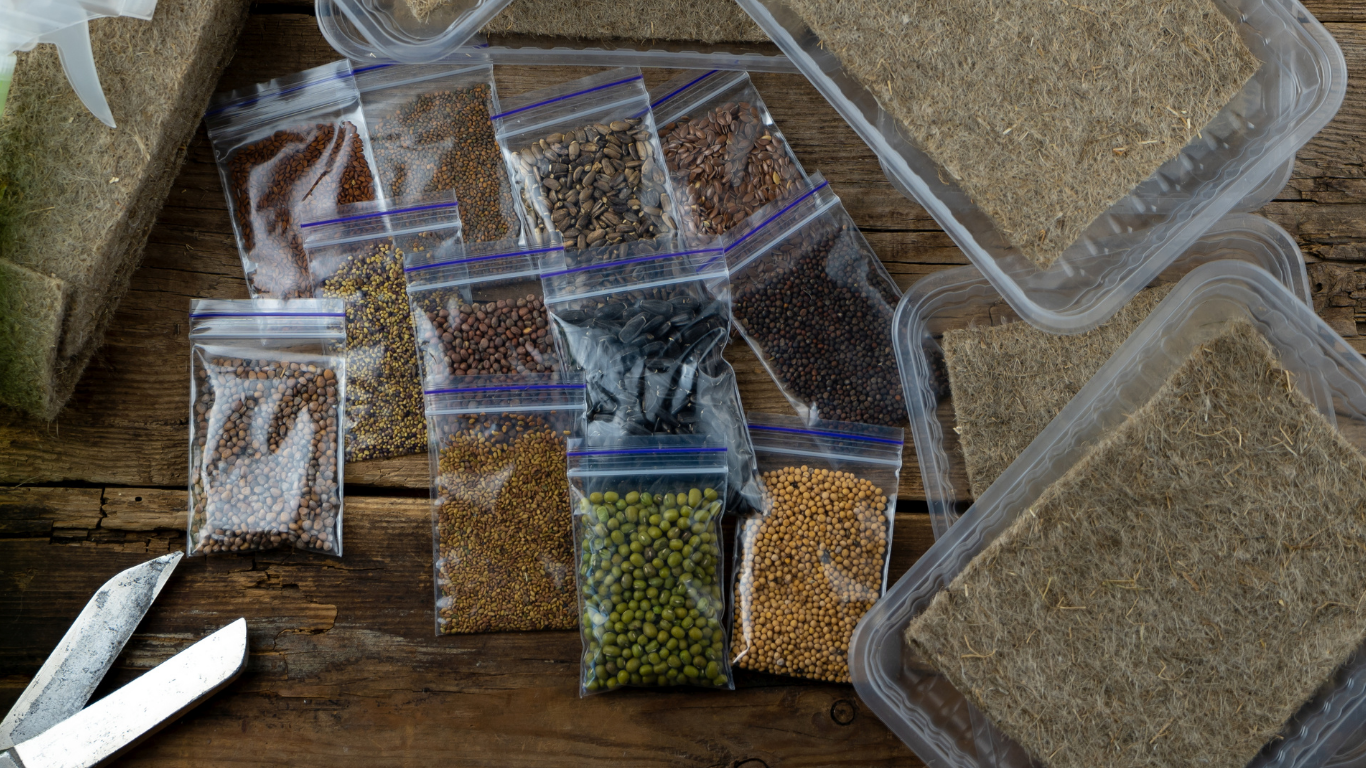
How to extend the shelf life of microgreens: harvesting, drying, temperature and storage methods that keep them fresh for days instead of hours.
Hello everyone! We’re delighted to have you back with us. In previous articles, we talked about how mold can be one of the biggest challenges when growing microgreens. However, it’s not the only issue we face. Today, we’re tackling another important topic: how to preserve microgreens after harvest so they last longer.
The biggest weakness of these tiny greens is their extreme perishability. Unlike other leafy vegetables, they begin to lose quality almost immediately after harvest. This limits large scale marketing and distribution (for instance, if we wanted to start a microgreens business). It can also be a problema, though a smaller one, for home consumption. We often find ourselves in this situation at the office, where we grow microgreens regularly: too many freshly harvested microgreens and too little time to enjoy them before they spoil.
Let’s dive in!
When stored at room temperature, the shelf life of microgreens can be as short as 24 to 48 hours. After that, they begin to wilt, lose their crunchy texture, and, most importantly, their nutrient content decreases. On top of that, humid conditions encourage the growth of microorganisms that can compromise food safety.
1. Preharvest treatments
One of the most common methods is applying calcium solutions to the plants before harvest. Calcium strengthens cell walls, helping delay yellowing, maintain tissue firmness, and reduce oxidative damage. Studies show that applications of 10 mM calcium chloride can increase microgreen biomass by more than 50% and improve resistance during storage.
2. Washing and disinfection
After harvest, washing with chilled chlorinated water (around 5 °C) is effective for reducing the initial microbial load. Concentrations between 50 and 100 mg/L of chlorine have been shown to limit bacterial growth without negatively affecting the appearance of the greens. As a more sustainable alternative, researchers are exploring mixtures of citric and ascorbic acids combined with ethanol, which could replace chlorine.
3. Packaging and atmosphere control
Packaging plays a crucial role. Polyethylene bags with low oxygen transmission rates help balance the plants’ respiration, reducing water loss and slowing pathogen growth. Pairing this with modified atmospheres, oxygen levels between 14 – 16 kPa and low CO₂ (1–1.5 kPa), helps preserve color and texture for longer.
4. Optimal storage temperature
Cold storage is essential. The ideal temperature is 1 °C, which delays senescence and preserves nutritional value without causing chilling injury. At this temperature, shelf life can be extended to two or three weeks, allowing distribution to more distant markets.
Current research is exploring even more advanced solutions, such as edible coatings made from alginates or chitosan, which create a protective film over the microgreens. Another approach is the use of low intensity LED lights during storage to maintain residual photosynthetic activity and prolong freshness.
In conclusion, thanks to progress in pre and post harvest treatments, packaging, and environmental control, it is now possible to significantly extend the shelf life of microgreens without compromising their flavor or nutritional properties. This paves the way for wider availability of these little superfoods in supermarkets, ensuring they reach the final consumer fresh and safe.
That’s all from us today, friends. We hope you found this article useful.
See you next time!
Carlota
Source:
Delian, E., Chira, A., Bădulescu, L., & Chira, L. (2015). Insights into microgreens physiology. Scientific Papers. Series B, Horticulture, 59, 447–454. https://horticulturejournal.usamv.ro/pdf/2015/art69.pdf
This article is part of the free knowledge portal of EVEC Microgreens. Wherever you are on your microgreens journey, there is a path for you:
Co-funded by the European Union.
This portal presents the microgreens methodology; the organisation behind it is EVEC Athens — the European Voluntary and Educational Center (evec.org.gr). Views and opinions expressed are those of the author(s) only and do not necessarily reflect those of the European Union or the European Commission. Neither the European Union nor the granting authority can be held responsible for them.


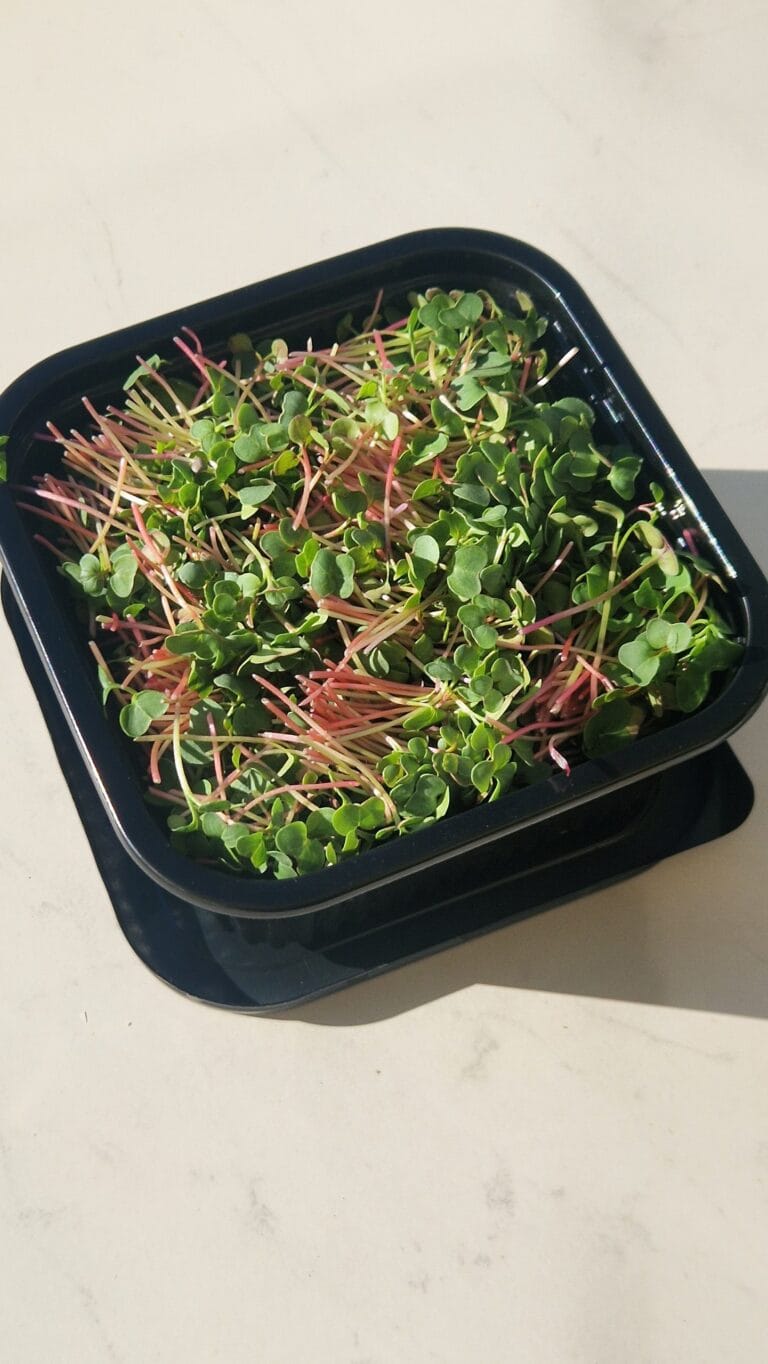

[…] we mentioned in previous articles, microgreens have a very short shelf life after harvest, posing challenges for storage and […]
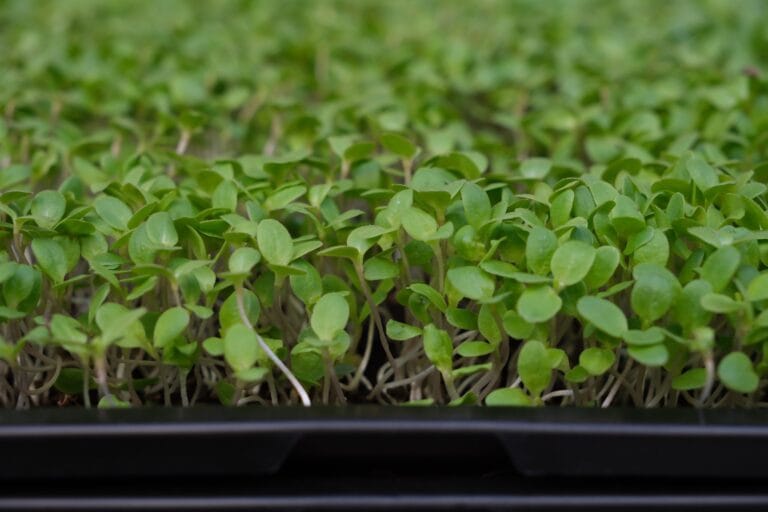
[…] negative aspect of microgreens, one we’ve also mentioned before, is their short shelf life after harvest. Due to their fragility and high water content, microgreens begin to wilt and lose […]
[…] For chefs and microgreen producers, these processes can also help extend the product’s shelf life, an important aspect given that fresh microgreens are highly perishable. […]