Get in touch
Questions about growing, workshops, the cooperative or partnerships? Send us a message and we will reply by email.
Prefer email? Write to erasmus@evec.org.gr
EVEC Microgreens
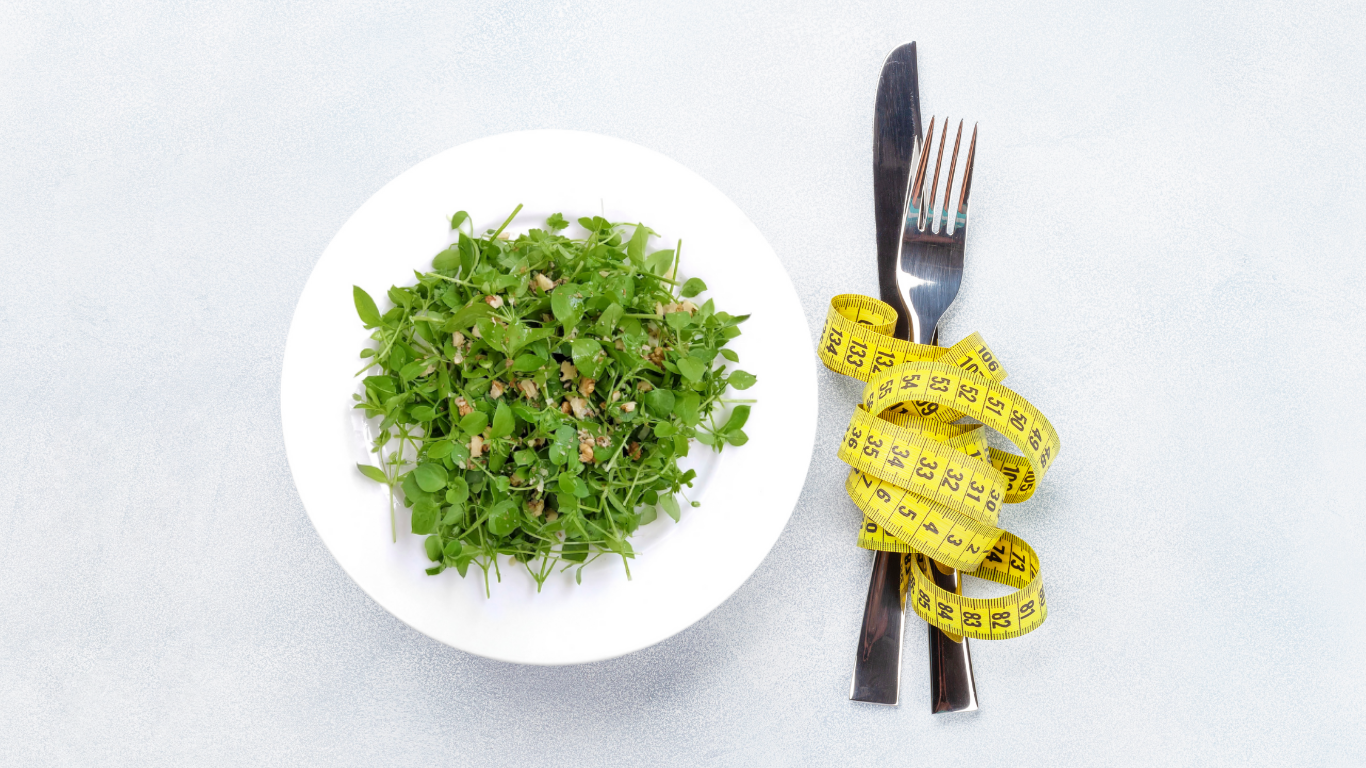
Cutting calories without cutting nutrients: what microgreens contribute to a balanced diet, what the animal studies actually showed, and five ways to eat them from smoothies to muffins.
How to eat microgreens: raw on salads and in sandwiches, blended into smoothies, scattered over soup, pasta or fish just before serving, or baked into muffins and pancakes — the five ways are set out below. They are a low-calorie vegetable that adds bulk, water and some fibre to a plate for very few calories, and that is the part of the case with the best evidence behind it. Whether they also beat the mature vegetable nutrient for nutrient depends on the crop and the nutrient, and the findings on cholesterol and body weight come from two mouse studies, not from trials in people.
These tiny greens are more than just a trendy garnish. They are a nutrient-dense vegetable that can add flavour, texture and colour to a meal — all without adding those extra calories we are trying to get rid of.
Let’s recap for those that are new, microgreens are the young seedlings of vegetables and herbs, harvested just after the first set of leaves develop. For several vitamins and antioxidant compounds, studies have measured higher concentrations in microgreens than in the mature plant, gram for gram — but this varies by species and by compound, and it is not a blanket rule that applies to every nutrient or every crop.
You’ve probably eaten them before — on salads, main meals or smoothies — without realizing how beneficial they are.
Microgreens are easy to use and incredibly versatile. Whether you’re cooking a full meal or just want a quick snack, here are simple ways to add them to your routine:
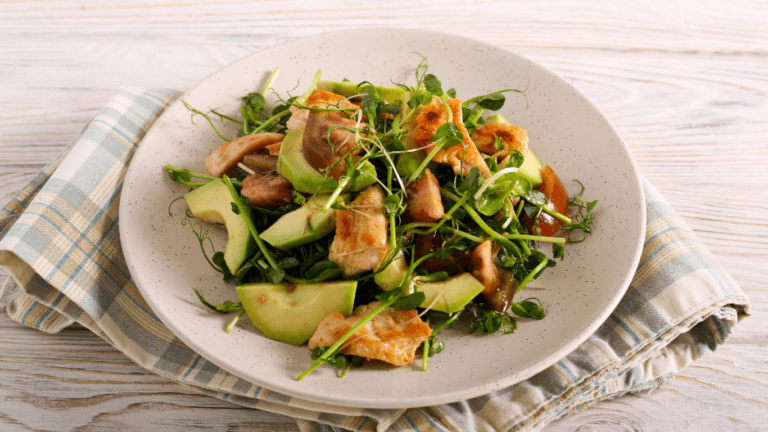
The possibilities are countless, combine it based on your time and taste! There are more ways to serve them in the microgreens cookbook, and the microgreens crop database covers the varieties one by one.
Microgreens are a natural, low-calorie food that carries useful nutrients for very few calories. That is a real advantage in a weight-management diet, and it is also the limit of what can be claimed. Point by point:
Beyond calorie counting, the honest case for microgreens is simple: they are a low-calorie, nutrient-dense vegetable that makes a plate more interesting to eat. We used to claim here that they strengthen the immune system, improve digestion and support heart and brain health. We have removed those claims — none of the sources on this page tests them in people.
If you’re eager to start experimenting today, don’t miss our guide with refreshing microgreens smoothies recipes. They are easy and they taste good, which is the honest reason to make them. As set out above, we are not claiming they will start or speed up weight loss. You can find the link attached below.
And if you want to dive deeper into the science, benefits, and full potential of microgreens, be sure to check out our previous and future articles. Stay tuned for more!
Sources and Links of interest:
Shake Your World with Microgreens Smoothie
Discover the Hidden Great Power of Microgreens
Red Cabbage Microgreens Lower Circulating Low-Density Lipoprotein (LDL), Liver Cholesterol, and Inflammatory Cytokines in Mice Fed a High-Fat Diet. Huang et al., Journal of Agricultural and Food Chemistry, 2016. Mouse study. https://pubmed.ncbi.nlm.nih.gov/27933986/
Broccoli microgreens juice reduces body weight by enhancing insulin sensitivity and modulating gut microbiota in high-fat diet-induced C57BL/6J obese mice. Li et al., European Journal of Nutrition, 2021. Mouse study. https://pubmed.ncbi.nlm.nih.gov/33866422/
Diet Quality and Micronutrient Intake among Long-Term Weight Loss Maintainers: https://www.mdpi.com/2072-6643/11/12/3046
Nutritional quality and health benefits of microgreens, a crop of modern agriculture: https://www.sciencedirect.com/science/article/pii/S2772566921000057
Glucoraphanin: a broccoli sprout extract that ameliorates obesity-induced inflammation and insulin resistance: https://www.tandfonline.com/doi/full/10.1080/21623945.2018.1474669
The Effect of Weight Loss on a Stable Biomarker of Inflammation, C-Reactive Protein: https://academic.oup.com/nutritionreviews/article-abstract/63/1/22/1921518?redirectedFrom=fulltext&login=false
Julia
Correction note: this article previously presented two mouse studies (Huang et al., 2016; Li et al., 2021) as evidence that microgreens lower cholesterol and improve heart health in people. They do not — both were conducted in mice, and we have said so above. We also removed a claim that radish and mustard microgreens “boost metabolism”, and claims that microgreens strengthen the immune system, improve digestion and support heart and brain health. We could not find a source for any of them.
On 30 July 2026 we also replaced the heading “Why Microgreens Are Perfect for Weight Loss” and the line “They support weight management in a healthy, sustainable way”, and dropped a closing promise that these recipes would “kickstart your weight-loss journey” — each of them contradicted the corrected evidence set out further down this same page. See our editorial standards, and our review of what the research actually shows.
This article is part of the free knowledge portal of EVEC Microgreens. Wherever you are on your microgreens journey, there is a path for you:
Co-funded by the European Union.
This portal presents the microgreens methodology; the organisation behind it is EVEC Athens — the European Voluntary and Educational Center (evec.org.gr). Views and opinions expressed are those of the author(s) only and do not necessarily reflect those of the European Union or the European Commission. Neither the European Union nor the granting authority can be held responsible for them.
Open licence. Except where stated otherwise, the educational materials on this portal are licensed under CC BY 4.0 — free to use, adapt and share, including commercially, with credit. See the licence terms.
Accessibility. We aim for WCAG 2.1 AA and publish what does and does not yet meet it — see the accessibility statement. If anything here blocks you, tell us and we will send the material in a format that works for you.

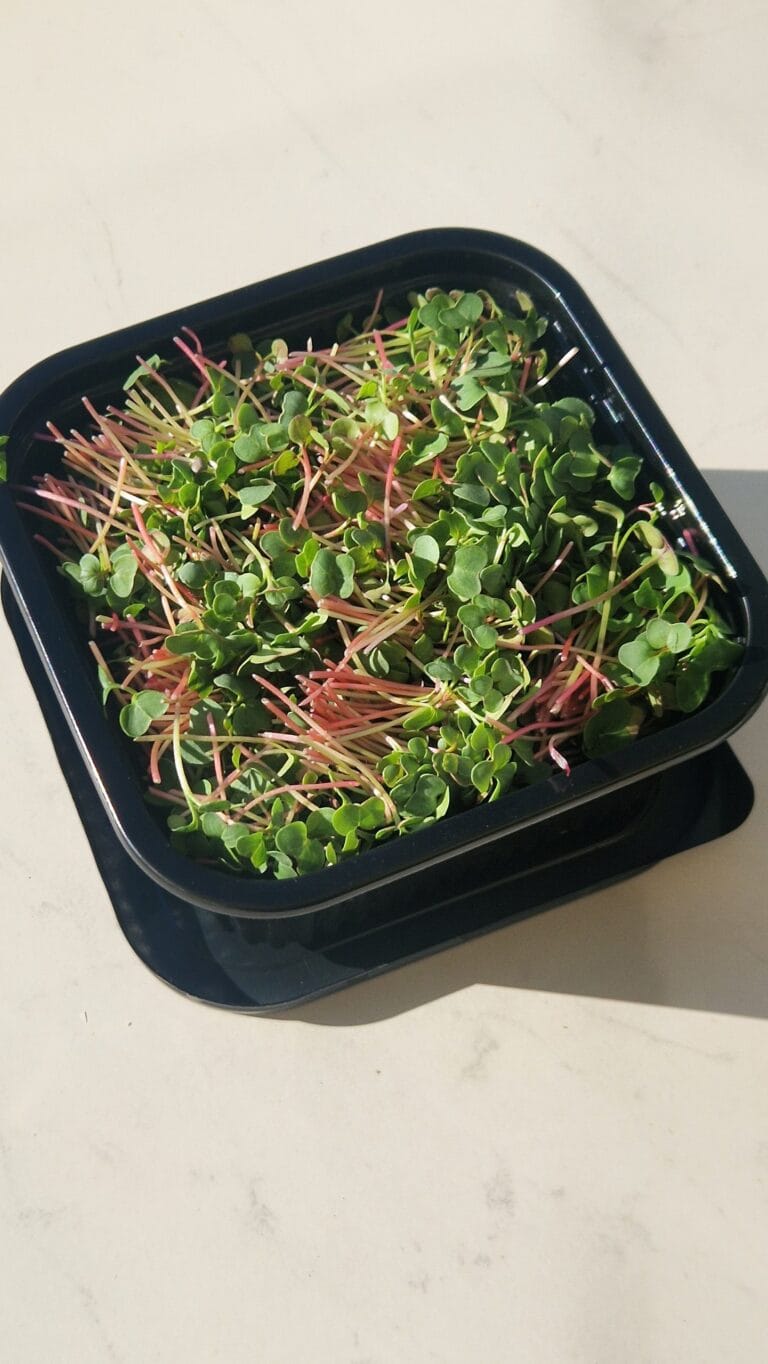


[…] A Balanced Diet with Microgreens: Nutritious and Tasty […]