Get in touch
Questions about growing, workshops, the cooperative or partnerships? Send us a message and we will reply by email.
Prefer email? Write to erasmus@evec.org.gr
EVEC Microgreens
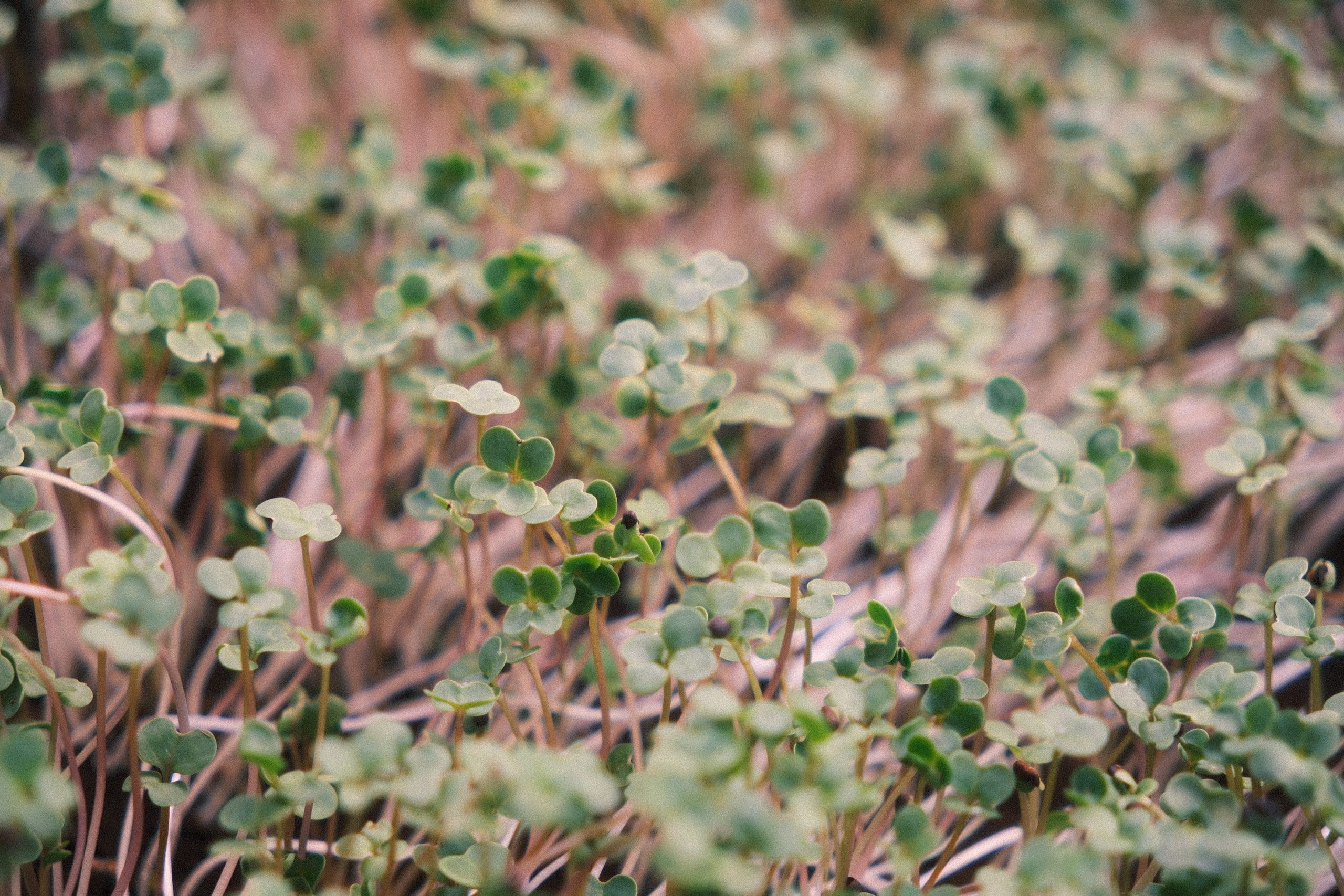
Broccoli microgreens are rich in sulforaphane, one of the most extensively studied dietary isothiocyanates. What the laboratory, animal and early human research actually shows — including the trial that found no effect.
A note before you read. This article summarises early-stage nutrition research for general education. It is not medical advice, and microgreens are a food, not a treatment. Nothing here should be used to prevent, diagnose or treat any disease. If you have a health condition or are undergoing treatment, talk to a qualified doctor before changing your diet.
Broccoli microgreens and sprouts have drawn a lot of scientific interest for one reason: they are unusually rich in the compounds that the body converts into sulforaphane. Sulforaphane is one of the most extensively studied dietary isothiocyanates, and laboratory and animal research has been exploring how it interacts with the body’s own defence systems. Here is what that research actually says — and, just as importantly, what it does not yet say.
Despite their size, they are nutrient-dense. Several studies have reported that young broccoli sprouts can contain substantially more glucoraphanin — the precursor to sulforaphane — than mature broccoli, gram for gram. Exact figures vary widely between studies and growing conditions, so they are best read as “often much higher,” not a fixed multiple.
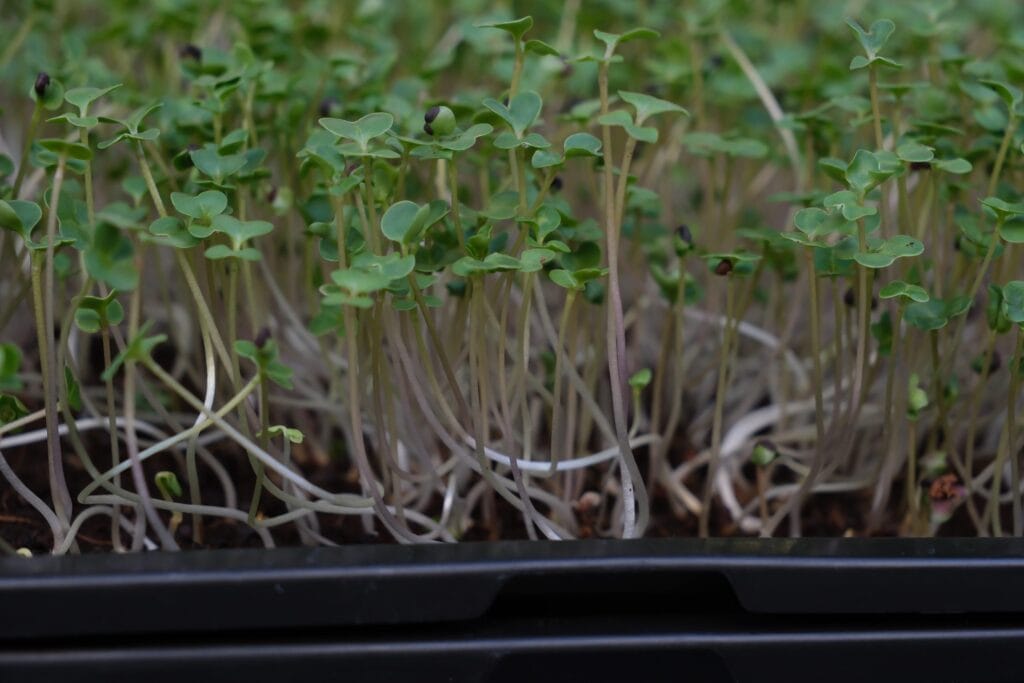
Broccoli sprouts store a compound called glucoraphanin. When the plant tissue is chewed or chopped, an enzyme called myrosinase converts it into sulforaphane. In laboratory studies, sulforaphane has been shown to activate the body’s Nrf2 pathway, which helps switch on genes involved in the cell’s natural antioxidant and detoxification responses.
This is why sulforaphane appears so often in research papers — it is a useful tool for studying how diet interacts with the body’s defence systems. It is not, however, a medicine, and being studied is not the same as being proven to work in people.
Most of the encouraging findings about sulforaphane come from cell-culture (in vitro) and animal studies. In those settings, researchers have reported that sulforaphane can influence processes such as:
These are genuinely interesting results, but an effect seen in a petri dish or a mouse does not automatically translate to a benefit for people eating a normal diet. That gap — between the lab and the dinner plate — is exactly what nutrition scientists are still working to close.
Human evidence is still early and limited. The picture is mixed, and it matters which trial you look at. One 40-person study reported lower IL-6 and CRP after ten weeks of daily broccoli sprouts, but it had no placebo group; a properly randomised, placebo-controlled trial in adults with asthma found no effect on airway inflammation or antioxidant gene expression, despite confirming participants had absorbed the sulforaphane. Some trials have reported measurable changes in markers of inflammation, or reduced H. pylori activity, in people who ate broccoli sprouts. These are promising signals, but they are not the same as showing that eating microgreens prevents any disease, and larger, longer studies are needed before firm conclusions can be drawn.
In short: sulforaphane is a legitimately exciting area of research, and broccoli microgreens are a nutritious food worth enjoying — but the honest summary is “worth studying and worth eating,” not “proven cure.”
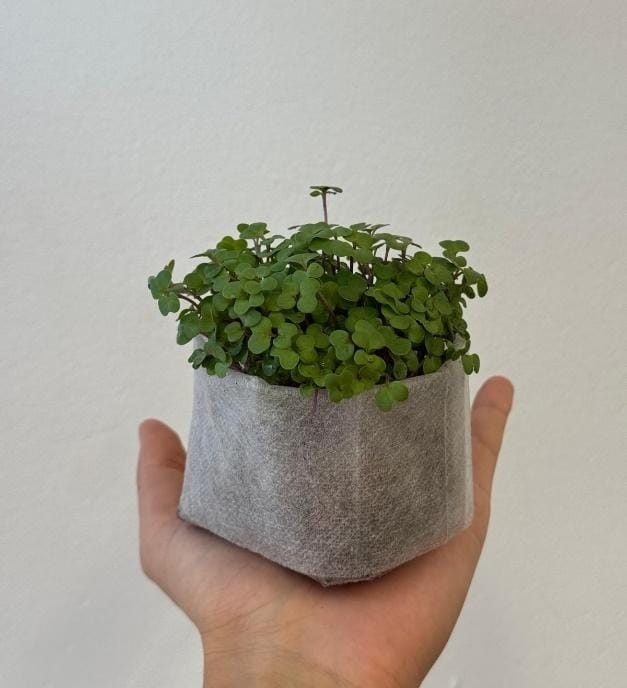
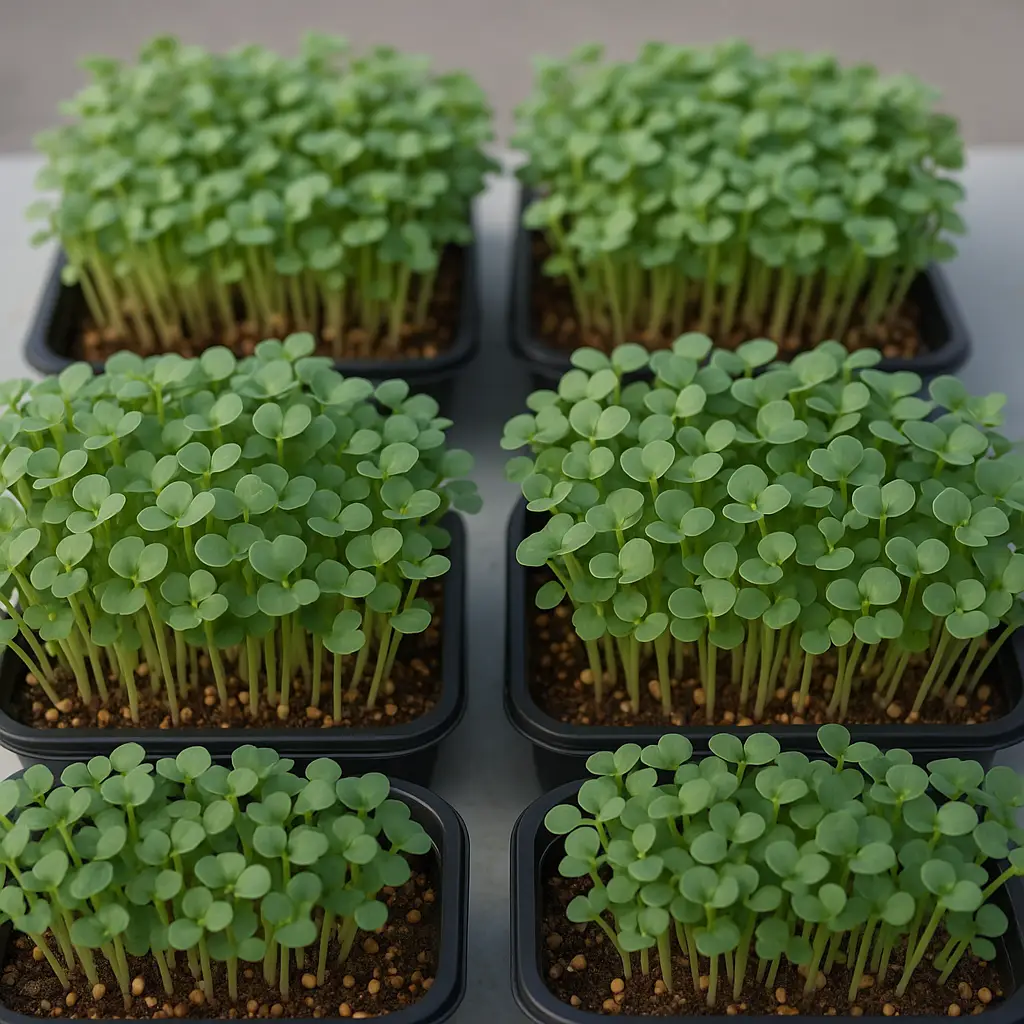
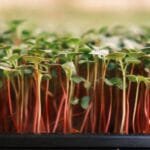
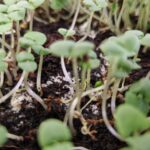
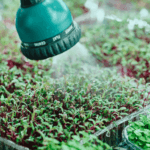
The best part is how easy they are to grow — no farm or garden needed:
In about 7–10 days you have a fresh harvest to add to salads, sandwiches and bowls. As with any raw sprouted food, rinse well and follow good hygiene, since raw sprouts can carry bacteria if grown or stored carelessly.
Broccoli microgreens are a tasty, nutrient-dense addition to a balanced diet, and the science around sulforaphane is a fascinating window into how food and the body interact. Enjoy them for what they are — good food, backed by interesting and still-developing research — rather than as a treatment for any condition.
Medical disclaimer: This content is for general information and education only and is not a substitute for professional medical advice, diagnosis or treatment. Microgreens are a food, not a medicine. Always seek the advice of your physician or a qualified health provider with any questions about a medical condition or your diet.
This article is part of the free knowledge portal of EVEC Microgreens. Wherever you are on your microgreens journey, there is a path for you:
Co-funded by the European Union.
This portal presents the microgreens methodology; the organisation behind it is EVEC Athens — the European Voluntary and Educational Center (evec.org.gr). Views and opinions expressed are those of the author(s) only and do not necessarily reflect those of the European Union or the European Commission. Neither the European Union nor the granting authority can be held responsible for them.
Open licence. Except where stated otherwise, the educational materials on this portal are licensed under CC BY 4.0 — free to use, adapt and share, including commercially, with credit. See the licence terms.
Accessibility. We aim for WCAG 2.1 AA and publish what does and does not yet meet it — see the accessibility statement. If anything here blocks you, tell us and we will send the material in a format that works for you.

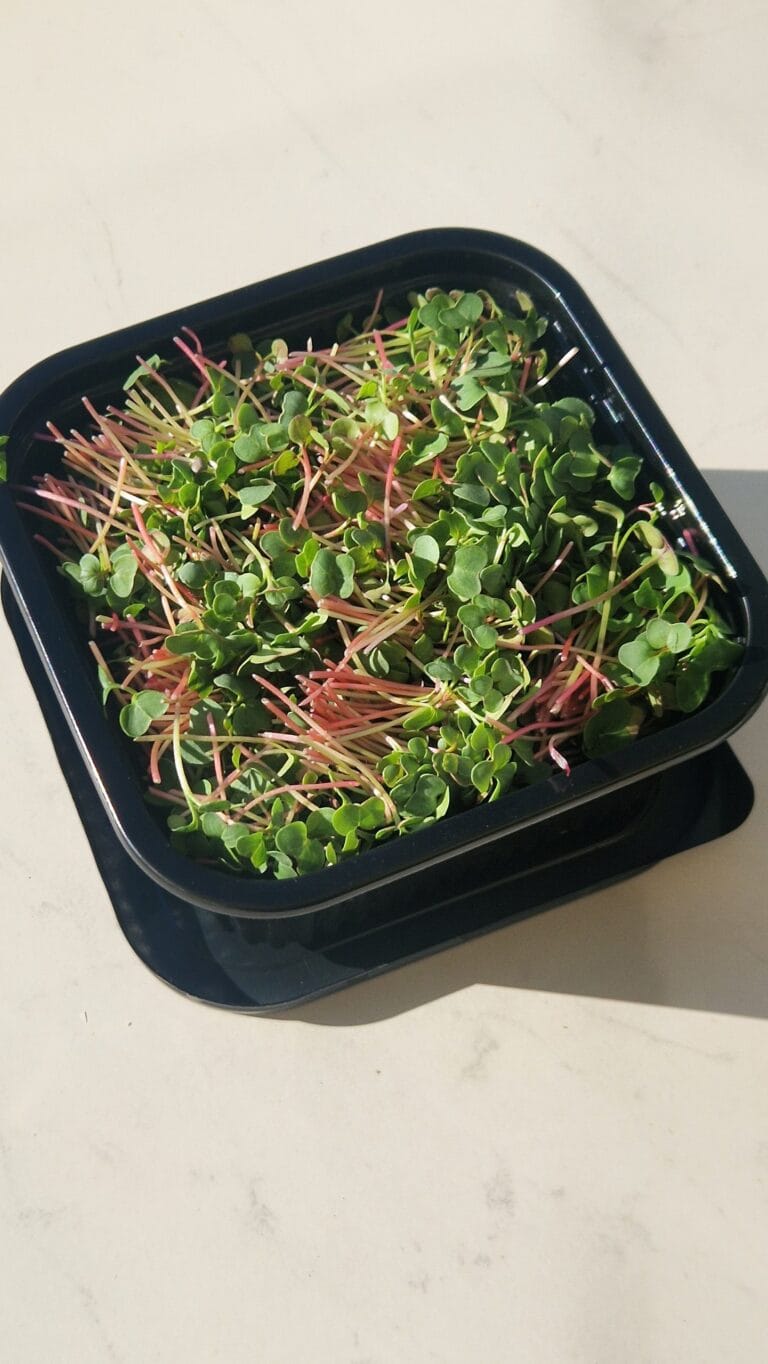
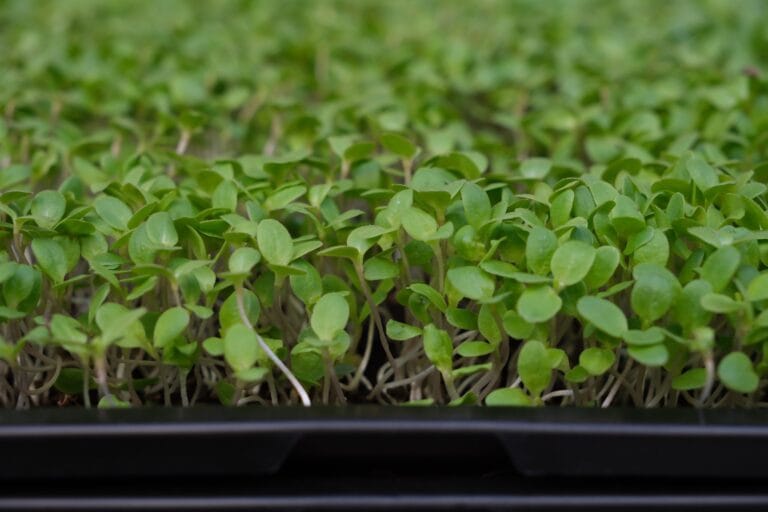
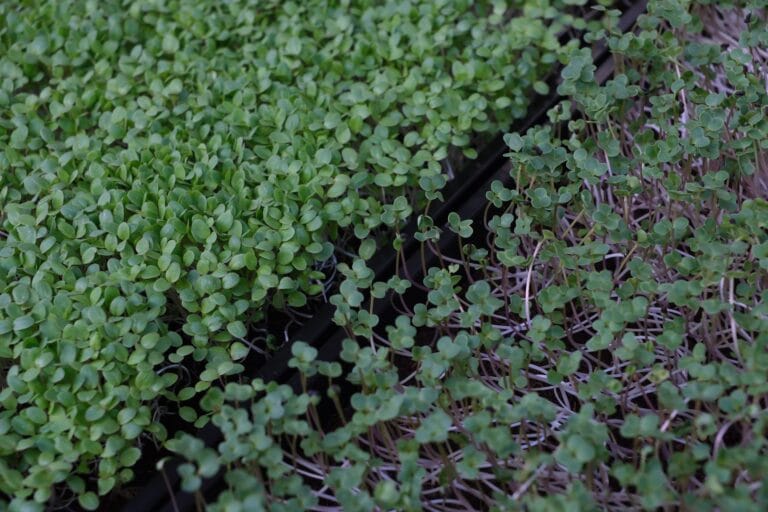

[…] Broccoli Microgreens and Sulforaphane: What the Research Actually Shows […]