Get in touch
Questions about growing, workshops, the cooperative or partnerships? Send us a message and we will reply by email.
Prefer email? Write to erasmus@evec.org.gr
EVEC Microgreens
Open-access scientific research on microgreens, hosted for free educational use with full attribution to the original authors and publishers under their Creative Commons licences.

From spicy radish to sweet pea and peppery arugula — a tour of the microgreens flavour spectrum, and what the published sensory research does and does not support.
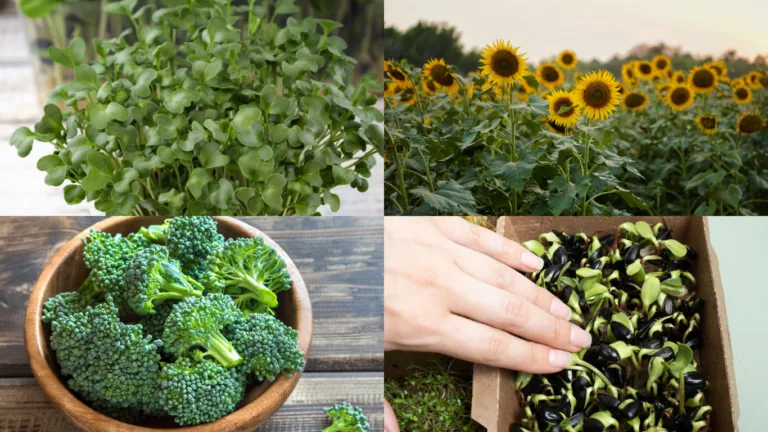
Are microgreens more nutritious than the mature vegetables? What the research says when you compare microgreens with their full-grown versions — the honest answer.
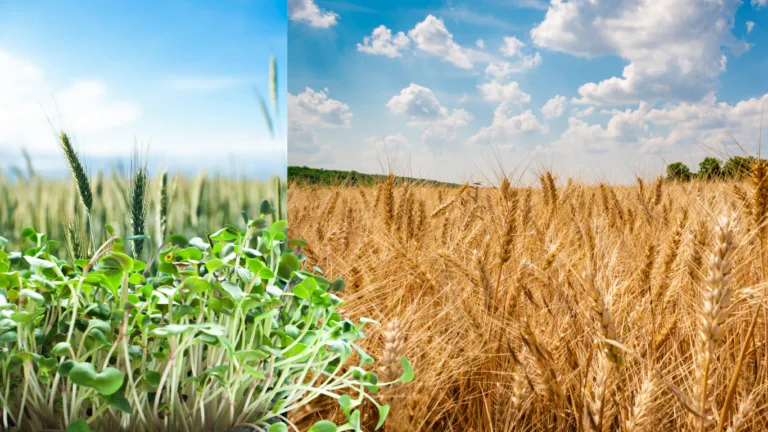
Wheat microgreens show 262% more protein than mature grain on a dry-weight basis, while red amaranth shows 86% less. What the evidence does and does not support.
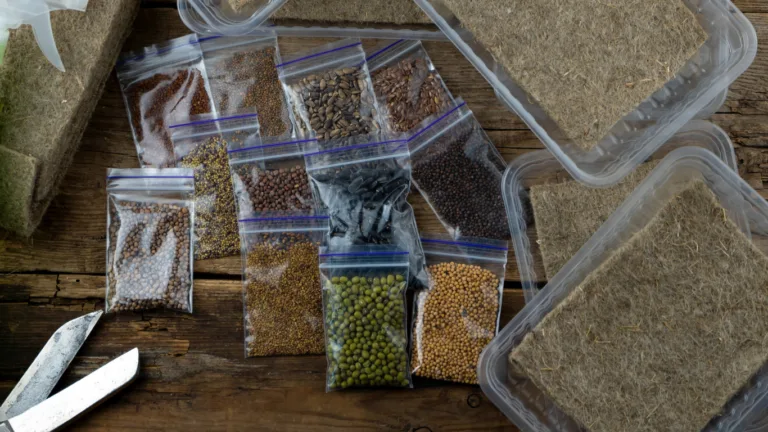
How to extend the shelf life of microgreens: harvesting, drying, temperature and storage methods that keep them fresh for days instead of hours.
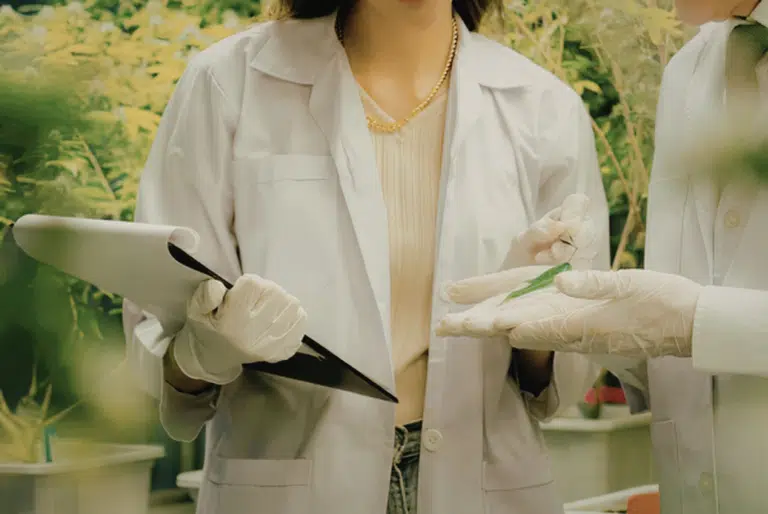
Food safety rules for microgreens and sprouts: the US FSMA and Produce Safety Rule, the European ESSA hygiene guide, and Regulations 852/2004 and 208/2013.
Co-funded by the European Union.
This portal presents the microgreens methodology; the organisation behind it is EVEC Athens — the European Voluntary and Educational Center (evec.org.gr). Views and opinions expressed are those of the author(s) only and do not necessarily reflect those of the European Union or the European Commission. Neither the European Union nor the granting authority can be held responsible for them.
Open licence. Except where stated otherwise, the educational materials on this portal are licensed under CC BY 4.0 — free to use, adapt and share, including commercially, with credit. See the licence terms.
Accessibility. We aim for WCAG 2.1 AA and publish what does and does not yet meet it — see the accessibility statement. If anything here blocks you, tell us and we will send the material in a format that works for you.
