Get in touch
Questions about growing, workshops, the cooperative or partnerships? Send us a message and we will reply by email.
Prefer email? Write to erasmus@evec.org.gr
EVEC Microgreens
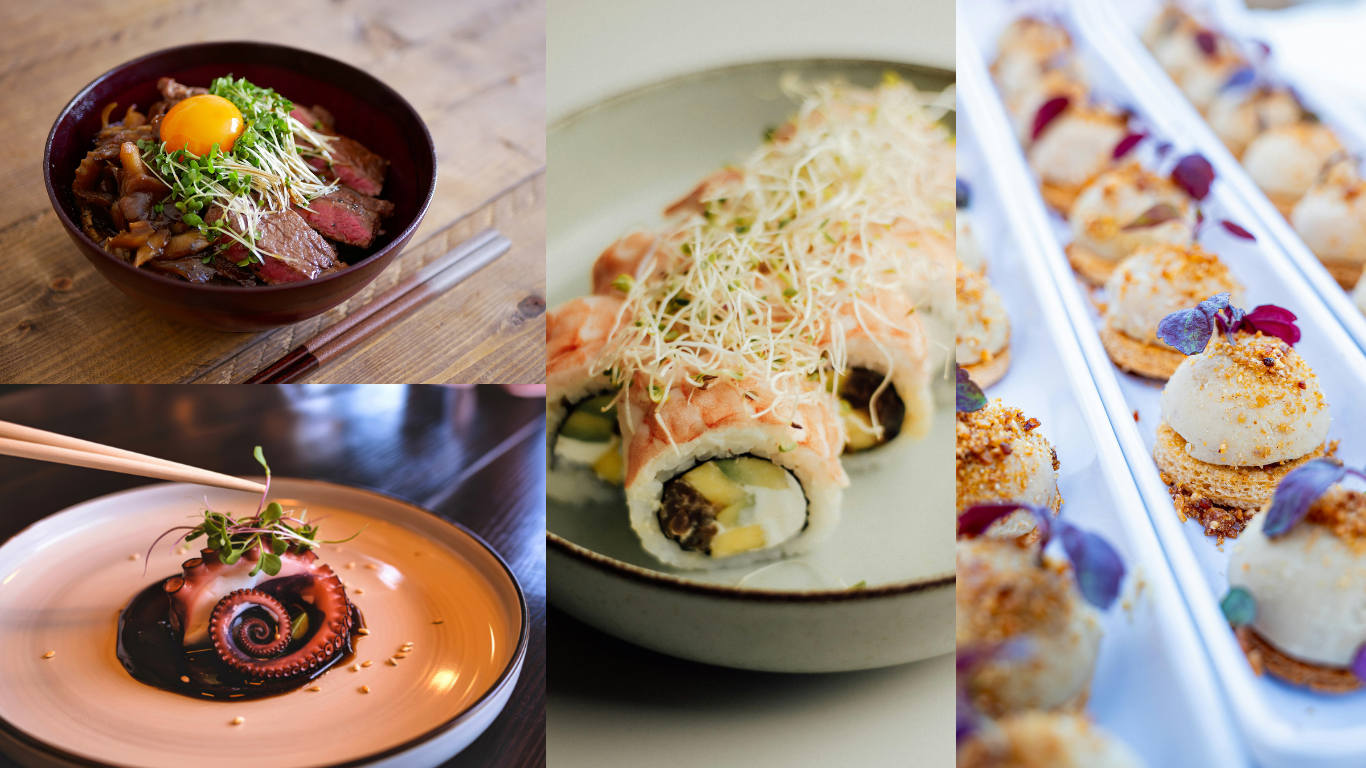
From spicy radish to sweet pea and peppery arugula — a tour of the microgreens flavour spectrum, and what the published sensory research does and does not support.
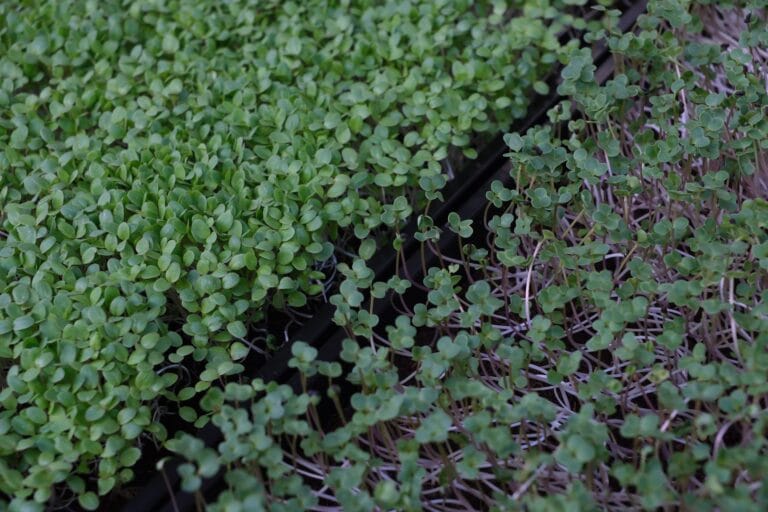
Flavor is the aspect of microgreens that decides how they actually get used in a kitchen, and it varies far more between species than their appearance suggests.
From the sweetest and mildest to the spiciest and most bitter, microgreens offer a range of sensations that can transform any dish.
We have plenty of experience ourselves: we’ve been adding them to all our meals for months, and every day we discover new combinations.
In this article, we explore the characteristic flavors of the main types of microgreens so you can find which ones best suit your palate. The flavor descriptions in the four lists below are culinary notes — ours and the ones cooks generally agree on — not laboratory measurements. Where published sensory research exists, we say so and cite it.
Some microgreens are perfect for their light, balanced taste, ideal for salads, sandwiches, or side dishes when you want freshness without overpowering the plate.
These varieties are great for newcomers or for those who prefer using microgreens as a complement rather than the main flavor.
On the other end of the spectrum are the microgreens with intense, spicy, or peppery notes, prized in gastronomy for adding contrast and depth to dishes.
Perfect for those who enjoy vibrant flavors or want a natural substitute for strong spices.
Some microgreens come from aromatic plants, preserving, and even intensifying, their distinctive fragrance and flavor.
These microgreens are incredible not only for their taste but also for their aroma, and they can be used in small amounts as a natural seasoning.
For the more avant-garde and daring, some microgreens offer bitter, earthy, or mineral flavors, bringing contrast and an experimental touch to dishes.
There is published evidence behind the impression that the Brassicaceae are the difficult end of the spectrum. In a consumer test of twelve microgreen species, the two that scored lowest for acceptability were both brassicas — mibuna and cress — while Swiss chard and coriander were the most appreciated. Appearance was widely liked across the board; what actually decided preference was flavor and texture, and specifically the level of astringency, sourness and bitterness: the lower those three, the higher the acceptability.
The taste of microgreens doesn’t depend solely on the species, factors like substrate, lighting, temperature, and harvest time also play a big role.
A 2024 review in Plants that gathered the agronomic evidence on microgreen production concludes that the nutrient profile of microgreens can be deliberately tailored by preharvest cultivation and postharvest practice. The levers it identifies are the ones you would expect:
What we can no longer tell you is exactly how each of those levers moves the taste. This article used to carry three tidy rules — that intense LED light gives stronger flavors, that coconut-fiber or compost substrates enhance earthy and sweet notes, and that a longer grow intensifies spicy or bitter notes. Those came from a seed company’s taste sheet and a food magazine, not from published measurement. The direction of travel is plausible and the composition data support parts of it, but we found no study that measured the flavor outcome, so we have taken the rules out rather than dress them up as findings.
As you can see, each variety of microgreen offers a unique experience. This diversity makes microgreens not only a highly nutritious food, but also a versatile culinary ingredient, capable of turning a simple dish into a gourmet experience.
If you feel inspired to try them, experiment with different types and combinations, you’ll find flavors for every taste and cooking style.
We’ll keep exploring this green universo and sharing everything we discover.
See you next time!
Carlota
Caracciolo, F., El-Nakhel, C., Raimondo, M., Kyriacou, M. C., Cembalo, L., De Pascale, S., & Rouphael, Y. (2020). Sensory attributes and consumer acceptability of 12 microgreens species. Agronomy, 10(7), 1043. https://doi.org/10.3390/agronomy10071043
Dubey, S., Harbourne, N., Harty, M., Hurley, D., & Elliott-Kingston, C. (2024). Microgreens production: Exploiting environmental and cultural factors for enhanced agronomical benefits. Plants, 13(18), 2631. https://www.mdpi.com/2223-7747/13/18/2631
Paolillo, I., Costanzo, G., Delicato, A., Villano, F., Arena, C., & Calabrò, V. (2023). Light quality potentiates the antioxidant properties of Brassica rapa microgreen extracts against oxidative stress and DNA damage in human cells. Antioxidants, 12(10), 1895. https://doi.org/10.3390/antiox12101895
In July 2026 we removed five entries from this list: two PDFs published by a microgreens seller, a microgreens blog, a wellness magazine article, and a consumer food-and-drink magazine. They were supporting the claims about bitterness and about how cultivation changes flavor, which we have now either sourced properly or removed. See our editorial standards.
This article is part of the free knowledge portal of EVEC Microgreens. Wherever you are on your microgreens journey, there is a path for you:
Co-funded by the European Union.
This portal presents the microgreens methodology; the organisation behind it is EVEC Athens — the European Voluntary and Educational Center (evec.org.gr). Views and opinions expressed are those of the author(s) only and do not necessarily reflect those of the European Union or the European Commission. Neither the European Union nor the granting authority can be held responsible for them.
Open licence. Except where stated otherwise, the educational materials on this portal are licensed under CC BY 4.0 — free to use, adapt and share, including commercially, with credit. See the licence terms.
Accessibility. We aim for WCAG 2.1 AA and publish what does and does not yet meet it — see the accessibility statement. If anything here blocks you, tell us and we will send the material in a format that works for you.

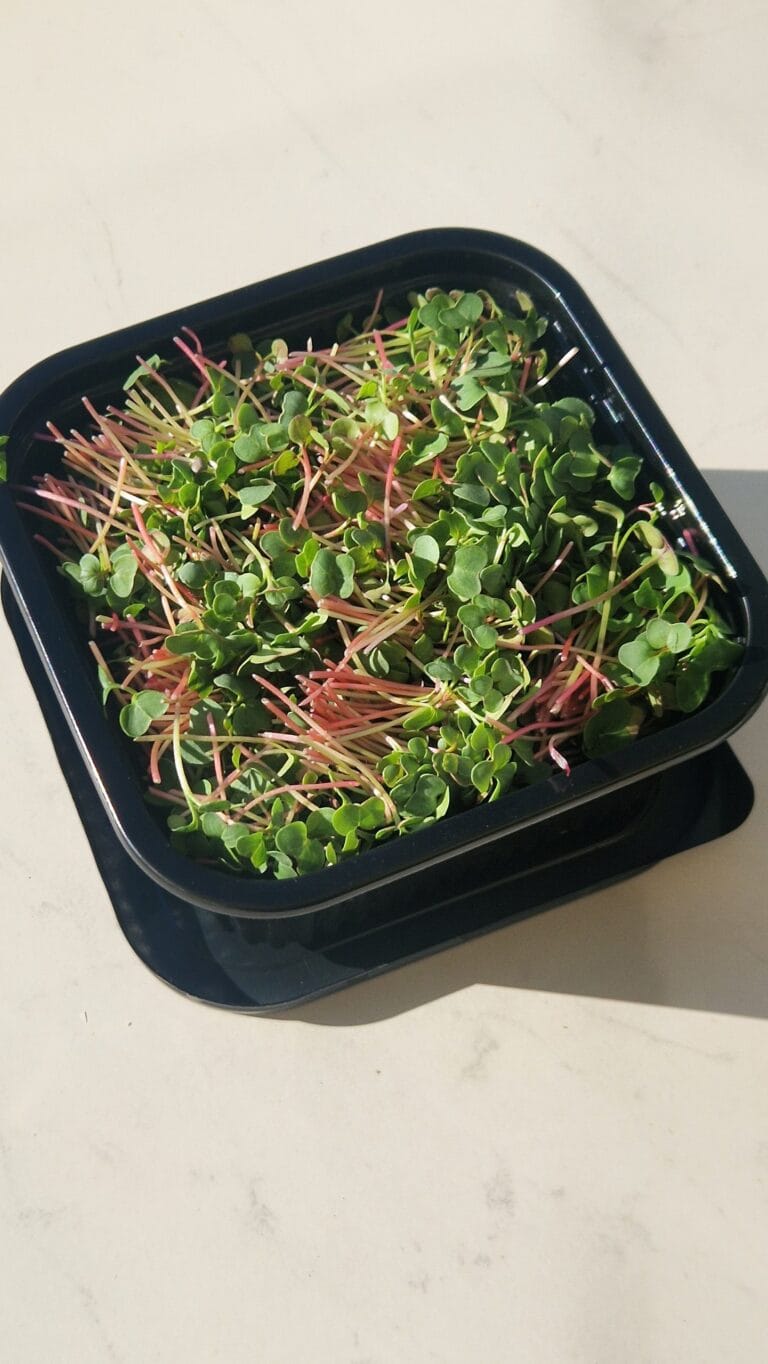
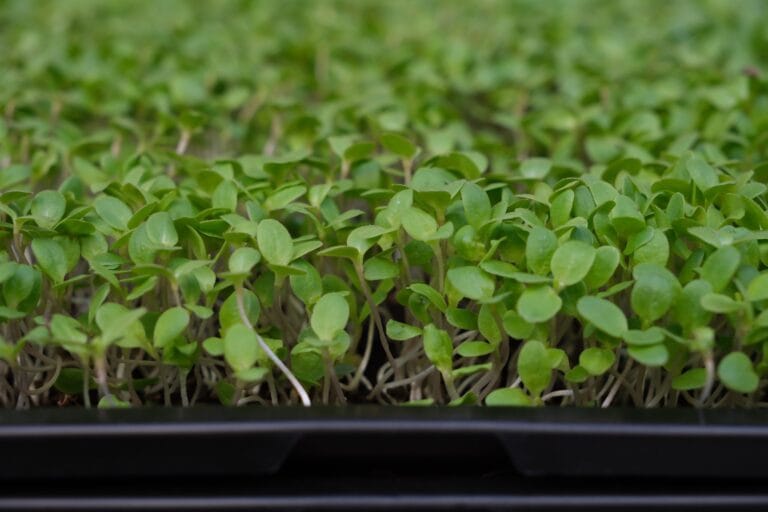

[…] our previous article, where we talked about the different flavors of microgreens and how they can adapt or completely transform a dish, we felt inspired to create this new piece. […]