Get in touch
Questions about growing, workshops, the cooperative or partnerships? Send us a message and we will reply by email.
Prefer email? Write to erasmus@evec.org.gr
EVEC Microgreens
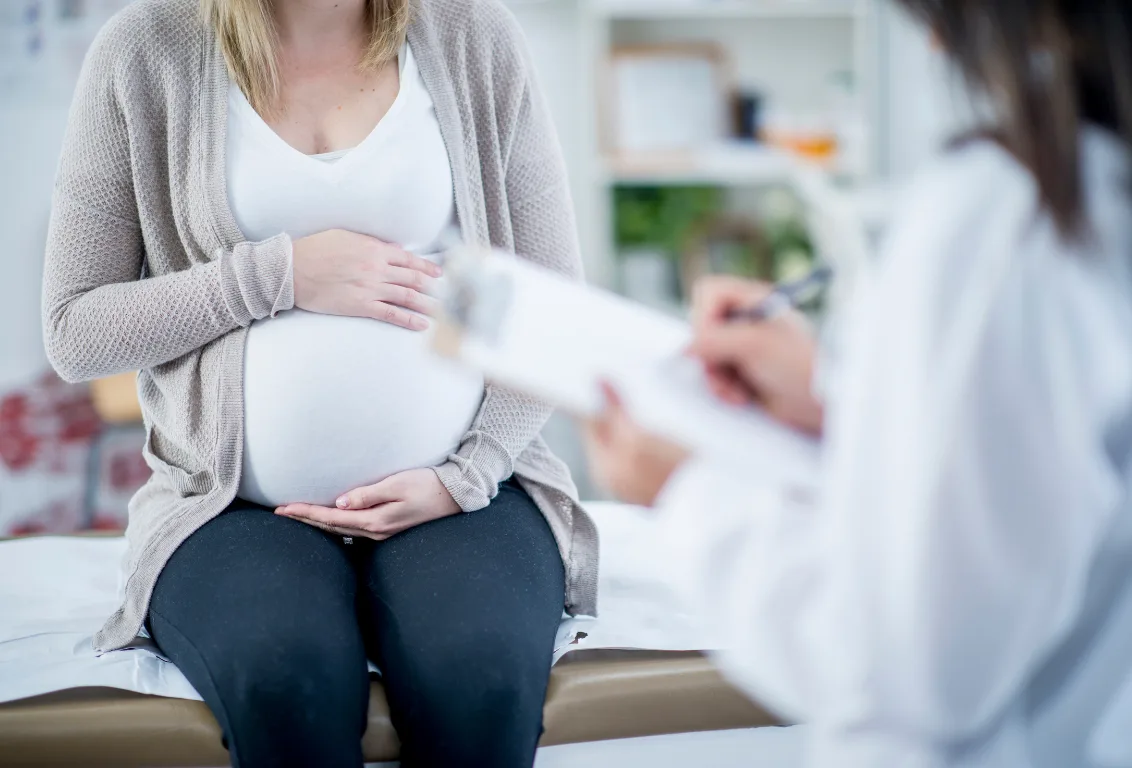
Which microgreen varieties to choose while expecting — separated honestly into what published measurements support and what is simply culinary judgement.
If you are choosing microgreens during pregnancy, five are worth starting with on flavour and on how easily they grow: broccoli, pea shoots, sunflower, kale and radish. Whether and how to eat them raw is a separate question, answered in Part III.
This is the second article in our four-part series on microgreens during pregnancy. Part I covered the nutrients that matter and what published data shows microgreens contain; this one looks at which varieties are worth choosing. Part III covers safety and handling, and Part IV has recipes.
Important: “Recommended” on this page means pleasant to eat and easy to grow well. It does not mean any variety has been tested for safety in pregnancy. Microgreens are a raw, ready-to-eat green, and the guidance that actually matters is in Part III: safety and recommendations — including the difference between microgreens and raw sprouts, washing, and when to cook them instead. Read it before you choose anything here. This is general information, not medical advice.
An earlier version of this article opened by saying that “according to specialized sources such as the Greenu Live Microgreens portal,” certain varieties stand out for their safety and nutritional value. Greenu is a shop that sells microgreens and microgreen seeds. A retailer is not a specialized source on prenatal safety, and citing one as though it were was a mistake on our part. That attribution has been removed, along with the two shops and the Instagram post that made up this article’s entire reference list.
What follows is split honestly into two parts: the small number of nutrient statements we can attach to a published measurement, and the rest, which is culinary judgement from growing and eating these crops ourselves.
That last point corrects something this page used to say. It described radish microgreens as a source of vitamin C. In the Xiao dataset radish topped the list for vitamin E, not vitamin C — red cabbage did. If you are choosing a variety for vitamin C specifically, red cabbage has better published support than radish does.
We looked for published composition data on pea shoot, sunflower and kale microgreens and did not find it. So we have removed the specific nutrient claims this article previously made about them — that sunflower microgreens “support the baby’s nervous system development,” that kale microgreens “help prevent anemia,” that pea shoots “help maintain energy levels,” and that radish microgreens contain “sulfur compounds that stimulate circulation.” None of those had a source, and the last two are not the kind of claim a vegetable can carry.
We are also not repeating the earlier framing that any variety is “one of the safest options.” No microgreen variety has been tested for safety in pregnancy, and the handling — not the species — is what the food-safety guidance in Part III is about.
These are culinary and practical recommendations. Treat them as such.
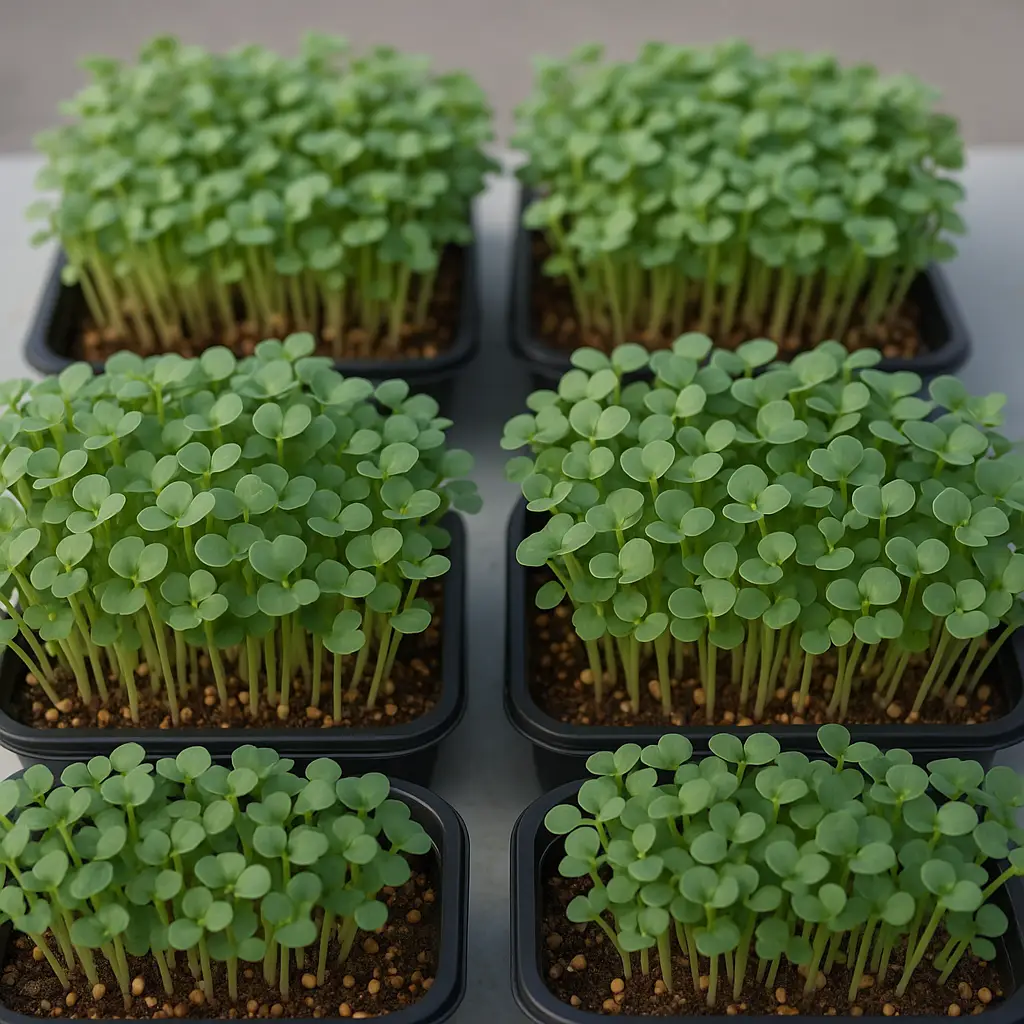
Alternating between varieties is a reasonable habit if you are eating microgreens during pregnancy — you get a wider spread of nutrients, given how much the numbers vary by species, and you avoid getting bored. If your digestion is sensitive, start with pea or sunflower and keep the radish for later.
All five slot easily into salads, smoothies, sandwiches, purées and rice dishes. Part IV of this series has five recipes built around them, with the handling notes for microgreens during pregnancy attached. Before that, though: Part III, on safety.
That’s all for now, friends. We’ll continue this section in the next article, where we’ll talk about safety measures and recommendations for consuming microgreens during pregnancy.
Chao!
Carlota
This article is general information, not medical advice. Dietary needs in pregnancy are individual — always follow the guidance of your doctor or midwife.
This article is part of the free knowledge portal of EVEC Microgreens. Wherever you are on your microgreens journey, there is a path for you:
Co-funded by the European Union.
This portal presents the microgreens methodology; the organisation behind it is EVEC Athens — the European Voluntary and Educational Center (evec.org.gr). Views and opinions expressed are those of the author(s) only and do not necessarily reflect those of the European Union or the European Commission. Neither the European Union nor the granting authority can be held responsible for them.
Open licence. Except where stated otherwise, the educational materials on this portal are licensed under CC BY 4.0 — free to use, adapt and share, including commercially, with credit. See the licence terms.
Accessibility. We aim for WCAG 2.1 AA and publish what does and does not yet meet it — see the accessibility statement. If anything here blocks you, tell us and we will send the material in a format that works for you.




[…] you’re reading this and are pregnant, we hope this article and the previous ones are useful to you. If you’re not, but know a family […]