Get in touch
Questions about growing, workshops, the cooperative or partnerships? Send us a message and we will reply by email.
Prefer email? Write to erasmus@evec.org.gr
EVEC Microgreens
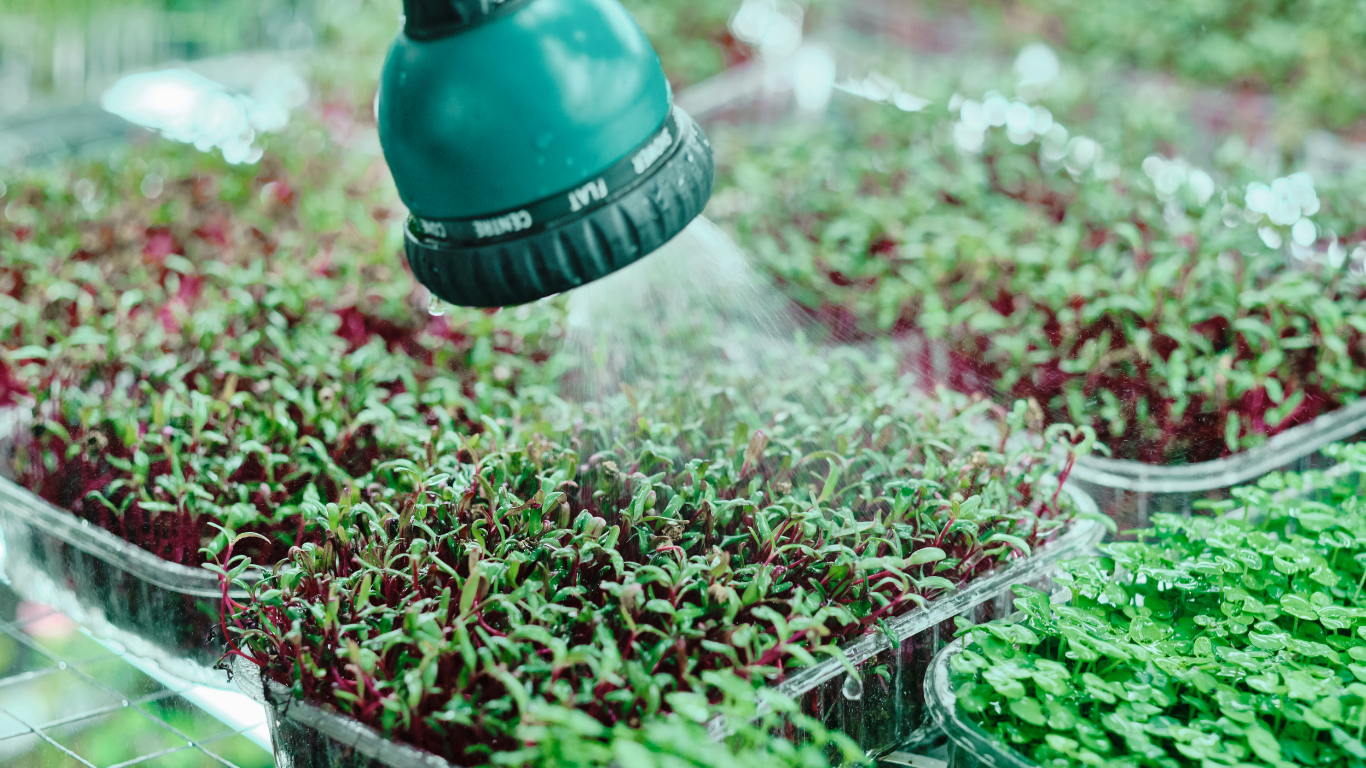
Part two of our urban agriculture series: what happens after the harvest — post-harvest handling, storage, light treatments, and the "superfood" claim we removed.
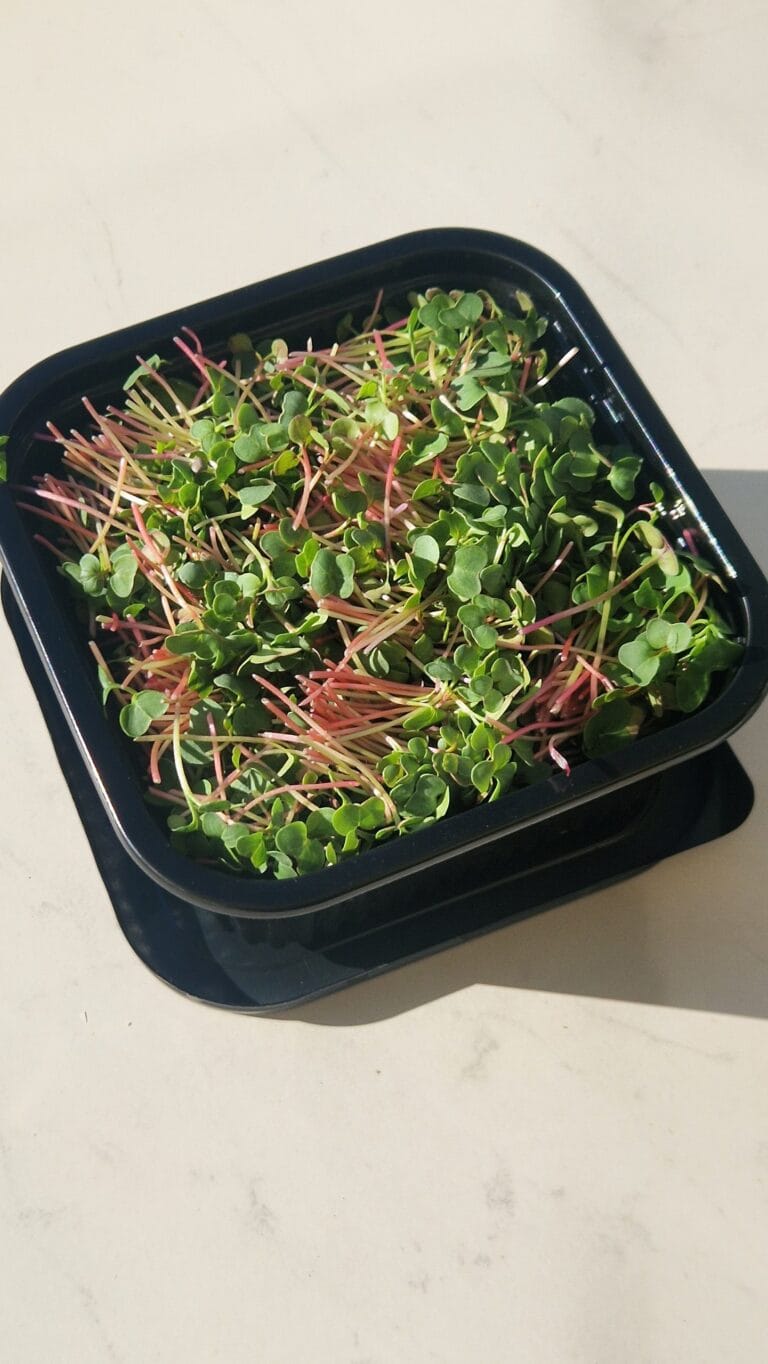
The first part of this series looked at how microgreens are becoming part of the answer to global food security challenges. This second part covers post-harvest management: the science of keeping your microgreens vibrant, nutritious, and delicious from the moment they are harvested until they hit your plate.
By their very nature, microgreens are highly perishable. Their delicate leaves and high moisture content make them susceptible to rapid spoilage, dehydration, and nutrient loss after harvesting. This short shelf-life is one of the main hurdles in their widespread commercial adoption. To overcome this, innovative post-harvest techniques are essential to maintain their vibrant color, crisp texture, and potent nutritional value.
Have you ever noticed how some greens wilt almost immediately after you buy them? The way they’re grown and handled before you even see them plays a huge role in that.
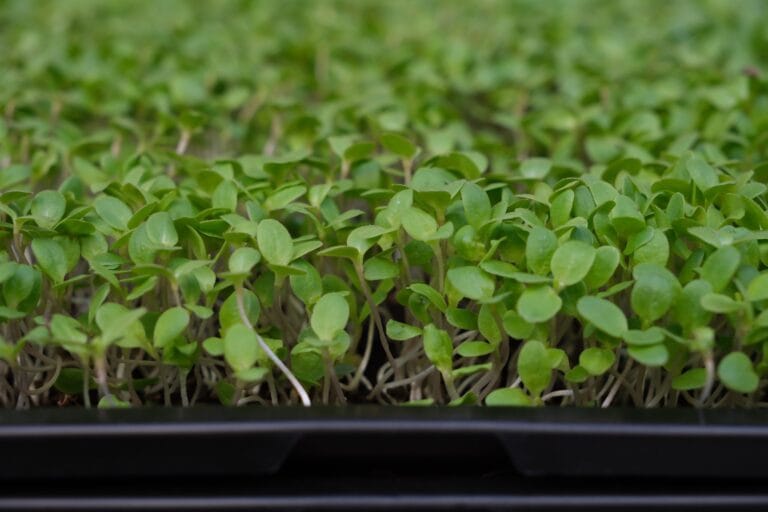
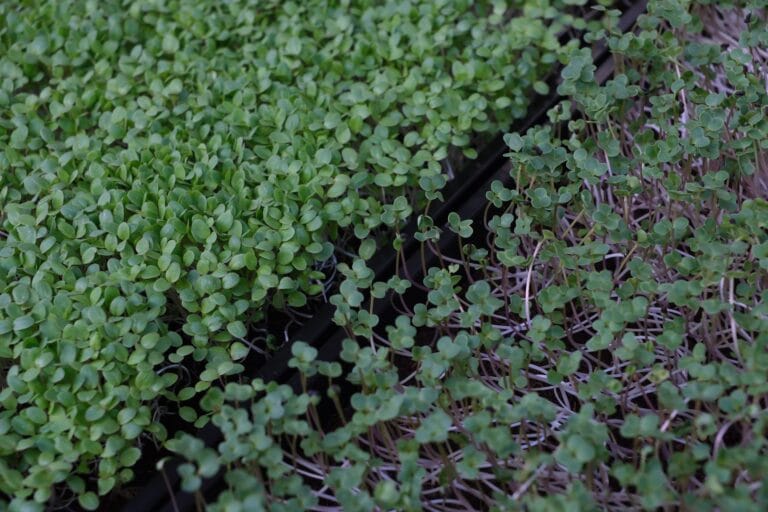
Before we even get to harvesting, the way microgreens are grown significantly impacts their post-harvest quality. The growing environment, including light intensity, temperature, and nutrient solutions, directly influences their cellular structure and chemical composition. A controlled environment with optimal light and temperature, for example, can produce sturdier plants with a higher concentration of beneficial compounds, making them more resilient after being harvested.
Once the microgreens are ready to be harvested, a few key strategies can be employed to maximize their freshness.
Timing is everything. Harvesting microgreens at the peak of their nutritional content, which is usually when the cotyledon leaves are fully developed and the first true leaves are just emerging, is crucial. Early morning harvests are often preferred as the plants are at their most turgid (full of water), reducing the risk of wilting.
Microgreens are incredibly delicate. Rough handling can bruise the leaves, leading to faster decay. Using sharp scissors or a knife to cut them cleanly just above the soil line minimizes damage. After harvesting, they should be handled with care and packed in containers that allow for proper air circulation while protecting them from physical damage.
This is arguably the most critical factor. Microgreens must be cooled down as quickly as possible after harvesting to slow down their metabolic processes. This process, known as pre-cooling, drastically reduces respiration and microbial growth. Storing them in a refrigerated environment (ideally between 34-40°F or 1-4°C) throughout the supply chain is vital.
4. Modified Atmosphere Packaging (MAP) MAP involves altering the gas composition inside the packaging to create an environment that slows down spoilage. By adjusting the levels of oxygen, carbon dioxide, and nitrogen, MAP can significantly extend the shelf-life of microgreens.
Beyond temperature and packaging, research is showing that specific light treatments can also extend the freshness and enhance the quality of microgreens.
Did you know that light can do more than just help plants grow? It can also help them stay fresh. Studies have demonstrated that exposing microgreens to LED light after harvest can help them retain their nutritional value. For example, continuous exposure to blue or a mixed red and blue LED light during storage can keep chlorophyll levels stable and even increase the concentration of antioxidants.
Similarly, post-harvest UV light, particularly UV-B and UV-C, has shown great promise. These treatments can reduce microbial load, a major cause of spoilage, and increase the content of beneficial compounds such as glucosinolates. This happens because UV light, even in small doses, acts as a stressor, prompting the plant’s defense mechanisms to produce protective metabolites. While highly effective, care must be taken with the duration of exposure, as excessive UV light can cause damage to the delicate leaves.
In summary, microgreens are a genuinely practical crop for urban agriculture — fast, compact, and grown without land — and post-harvest handling is what decides whether that practicality survives the journey to a plate. By understanding and implementing the pre- and post-harvest techniques above, growers can keep these plants fresh and accessible, which is the real bottleneck this article is about.
Updated 30 July 2026. The summary above used to read: “In summary, microgreens are not only a superfood but also a viable solution for urban agriculture.” We have removed the word superfood. It is a marketing term with no scientific or regulatory meaning, and it adds nothing to “fast, compact, and grown without land”, which is both more informative and defensible. The word also appears in the title of this two-part series because the review we are summarising carries it in its own title; we reproduce the source’s wording there, but we do not use it as a description of what microgreens do. See our editorial standards.
Karolina
This article is part of the free knowledge portal of EVEC Microgreens. Wherever you are on your microgreens journey, there is a path for you:
Co-funded by the European Union.
This portal presents the microgreens methodology; the organisation behind it is EVEC Athens — the European Voluntary and Educational Center (evec.org.gr). Views and opinions expressed are those of the author(s) only and do not necessarily reflect those of the European Union or the European Commission. Neither the European Union nor the granting authority can be held responsible for them.
Open licence. Except where stated otherwise, the educational materials on this portal are licensed under CC BY 4.0 — free to use, adapt and share, including commercially, with credit. See the licence terms.
Accessibility. We aim for WCAG 2.1 AA and publish what does and does not yet meet it — see the accessibility statement. If anything here blocks you, tell us and we will send the material in a format that works for you.