Get in touch
Questions about growing, workshops, the cooperative or partnerships? Send us a message and we will reply by email.
Prefer email? Write to erasmus@evec.org.gr
EVEC Microgreens
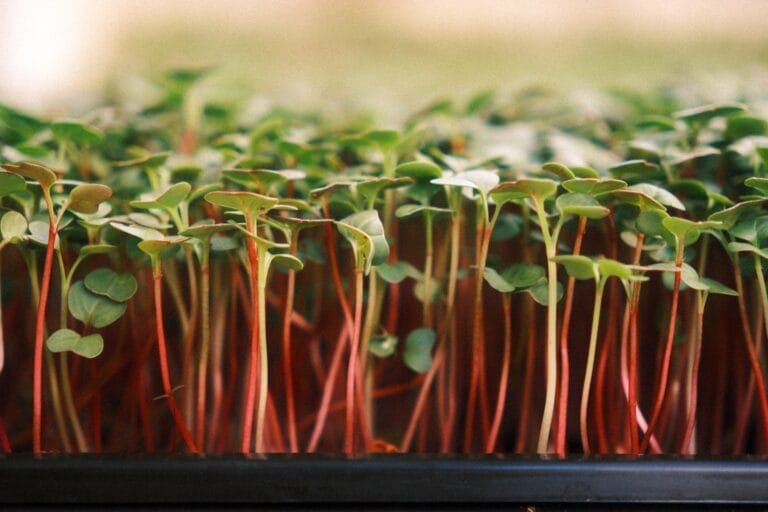
Radish microgreens are the fastest and easiest to grow. Step by step: sowing, light, watering and days to harvest, plus their fresh, slightly spicy flavour.
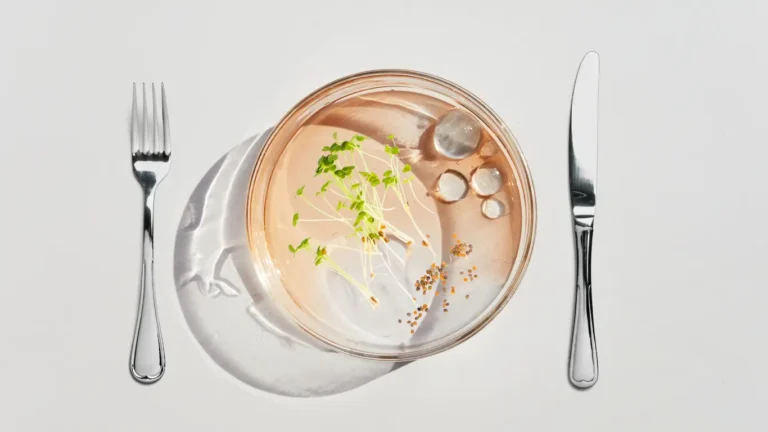
Eight ways microgreens act on skin from the inside: vitamin C and collagen, hydration, polyphenols for inflammation, chlorophyll detox and red clover for burns.
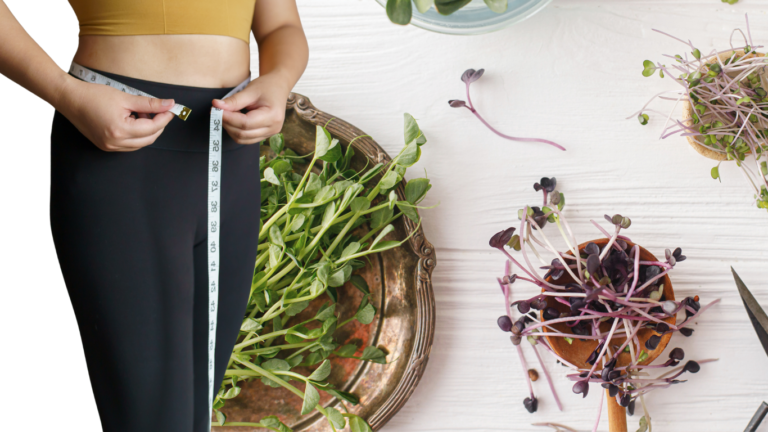
Red cabbage, cilantro, garnet amaranth, green daikon radish and fenugreek for weight loss: fiber, protein and blood sugar effects, plus who should be cautious.
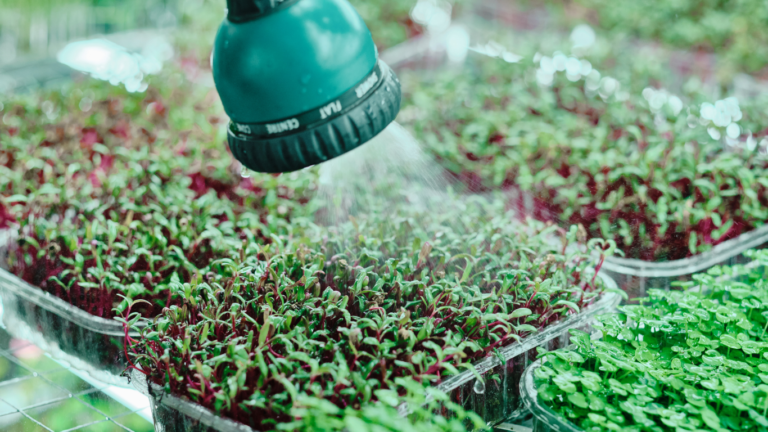
Part two of our urban agriculture series: what happens after the harvest — post-harvest handling, storage and the science of keeping microgreens at their best.
Why a review paper frames microgreens as urban horticulture's future: 70% of people in cities by mid-century, hidden hunger, short cycles, no pesticides.
Co-funded by the European Union.
This portal presents the microgreens methodology; the organisation behind it is EVEC Athens — the European Voluntary and Educational Center (evec.org.gr). Views and opinions expressed are those of the author(s) only and do not necessarily reflect those of the European Union or the European Commission. Neither the European Union nor the granting authority can be held responsible for them.
Open licence. Except where stated otherwise, the educational materials on this portal are licensed under CC BY 4.0 — free to use, adapt and share, including commercially, with credit. See the licence terms.
Accessibility. We aim for WCAG 2.1 AA and publish what does and does not yet meet it — see the accessibility statement. If anything here blocks you, tell us and we will send the material in a format that works for you.


